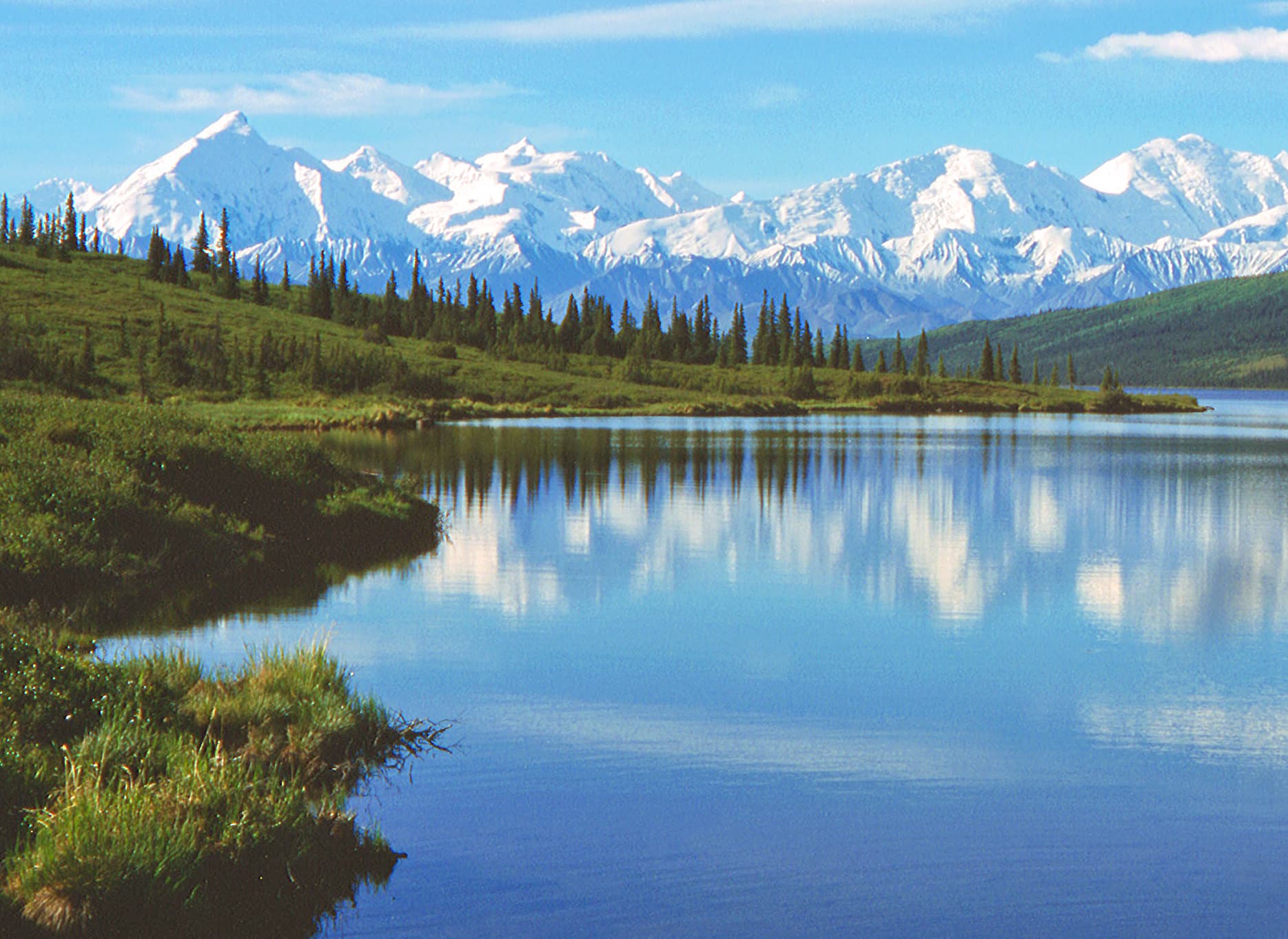
Denali National Park and Preserve protects an immense subarctic ecosystem where the continent’s tallest peak rises abruptly from the landscape. The park’s 20,310-foot centerpiece, Denali, dominates views across hundreds of square miles of roadless country, creating one of the most dramatic vertical rises on Earth.
Why This Place Matters
Few protected areas offer such reliable chances to observe large mammals in their natural habitat while surrounded by alpine tundra and braided glacial rivers. Caribou, grizzly bears, moose, Dall sheep, and wolves roam freely, and the park’s size ensures genuine wilderness character even along established routes.
Reaching the Park
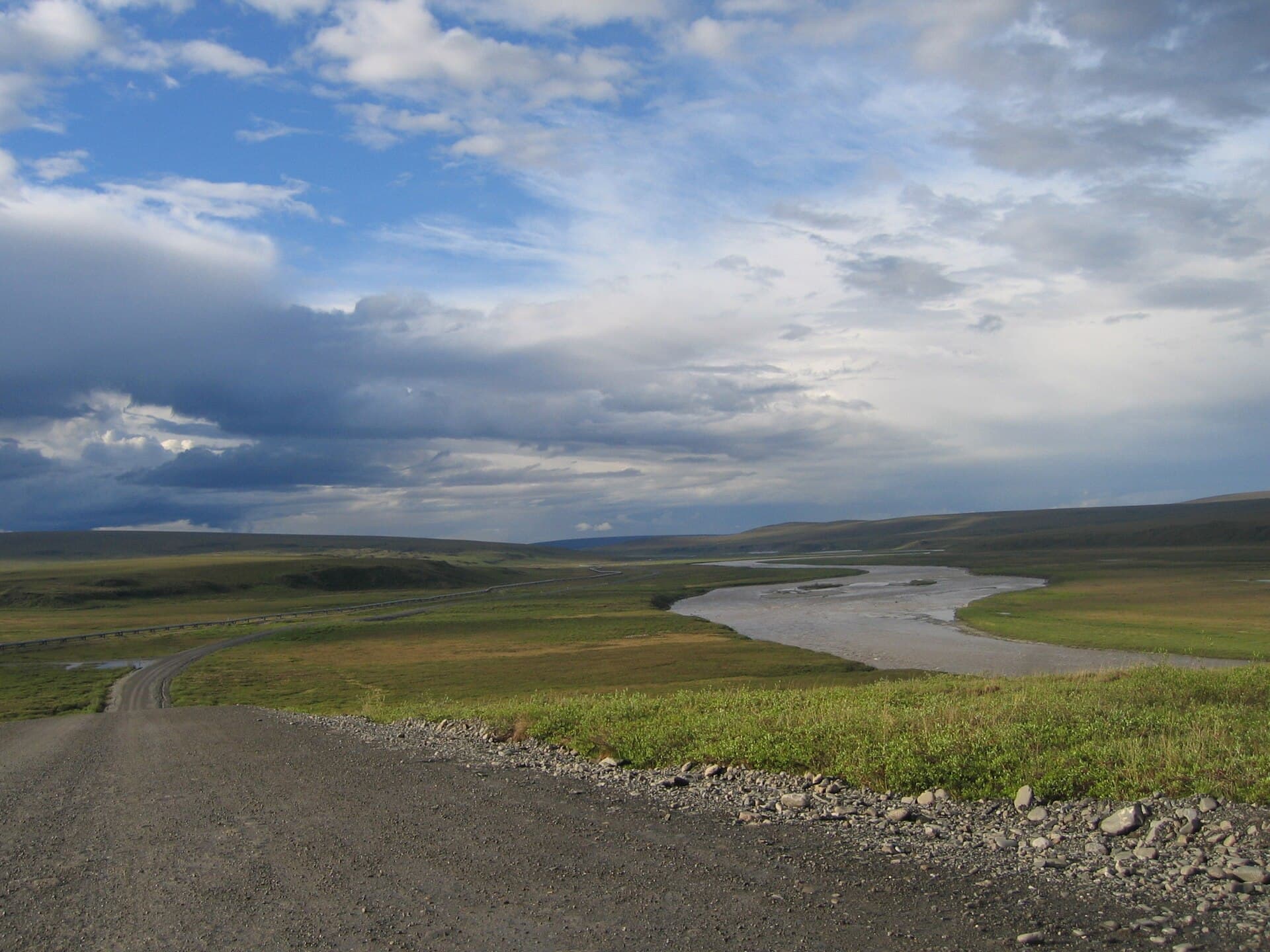
Most visitors arrive via the Parks Highway from Anchorage (four to five hours) or Fairbanks (two hours). The park entrance sits near the Nenana River, with the main visitor complex providing orientation before deeper exploration. Once inside, private vehicles are restricted beyond a certain point, so the park’s shuttle and tour buses become the primary means of traveling the 92-mile road into the heart of the preserve.
Best Time to Visit
Late May through early September offers the longest days, wildflower displays, and open roads. Early summer brings fewer insects and lingering snow patches that highlight wildlife; late summer offers ripe berries and stronger chances of clear Denali views. Winter visits require specialized preparation and are limited to snowshoeing or dog-sledding near the entrance area.
What to See and Do
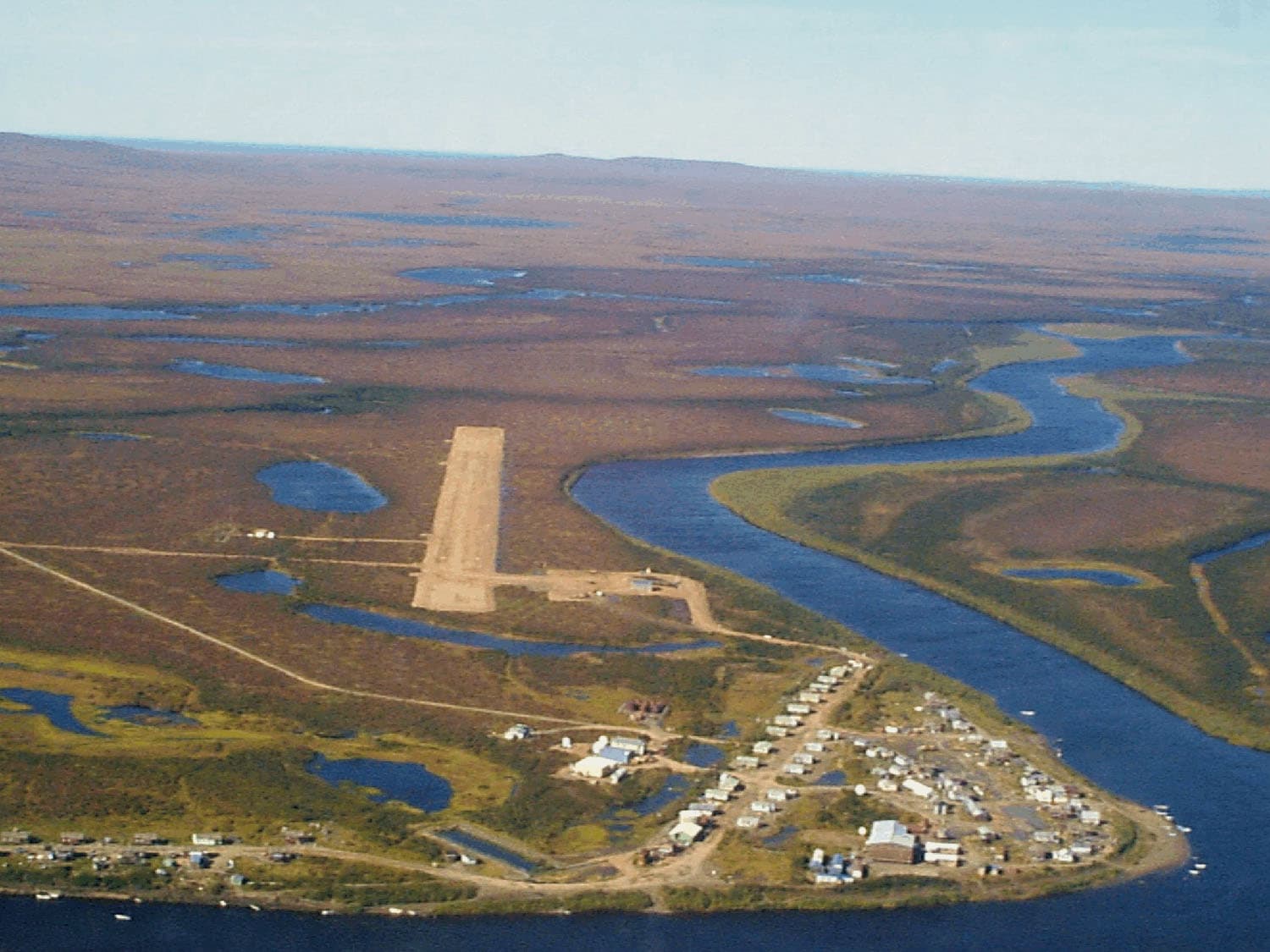
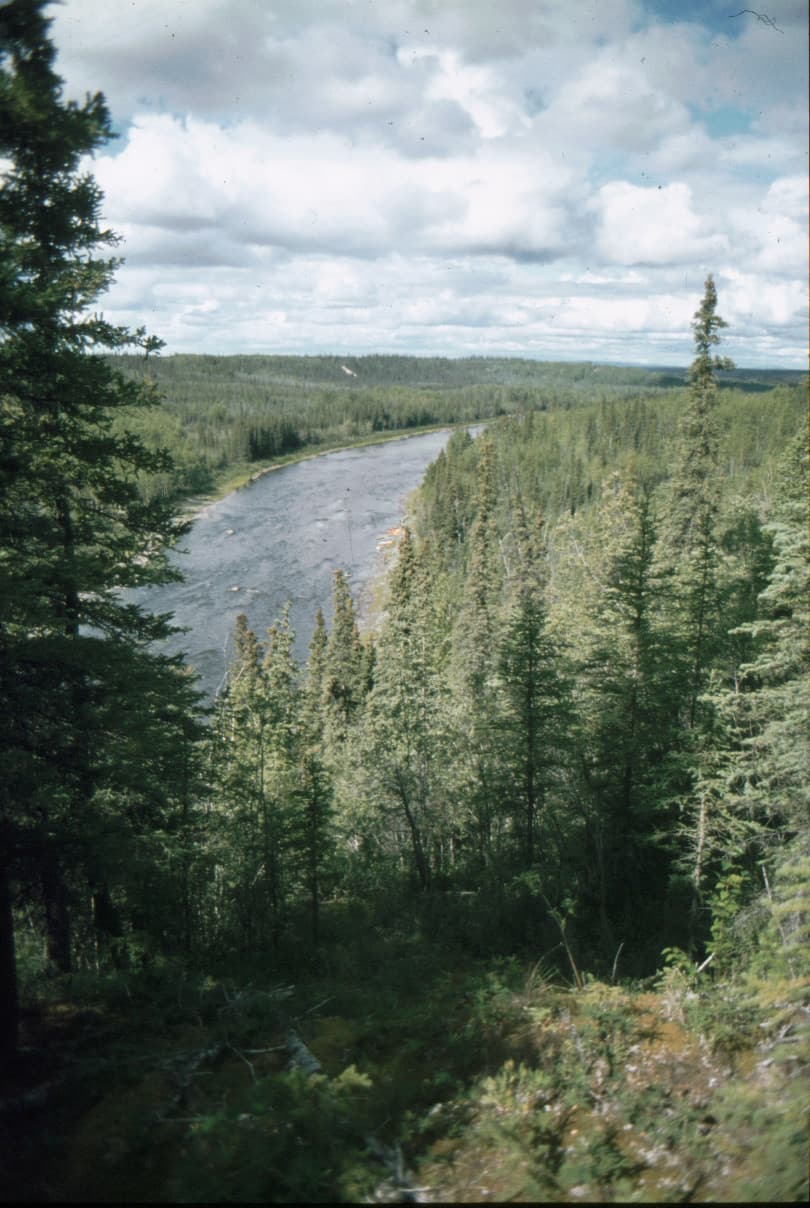
Wildlife viewing from buses remains the signature experience, with frequent stops for bears or caribou herds. Short hikes such as the Horseshoe Lake Trail or longer ridge walks on the Wonder Lake area provide close-up tundra ecology. Flightseeing from nearby airstrips reveals the mountain’s massive ice fields and the park’s roadless interior. Rafting the Nenana River offers a different perspective on the boundary zone where taiga meets alpine terrain. Backcountry camping requires permits and careful planning due to the lack of trails and presence of bears.
Nearby Destinations
The town of Talkeetna serves as a gateway for flightseeing and river trips, while Healy offers access to the park’s eastern boundary and local hot springs. Denali State Park to the south provides additional viewpoints and less crowded hiking options along the Parks Highway corridor.