Keep reading
Nearby & related
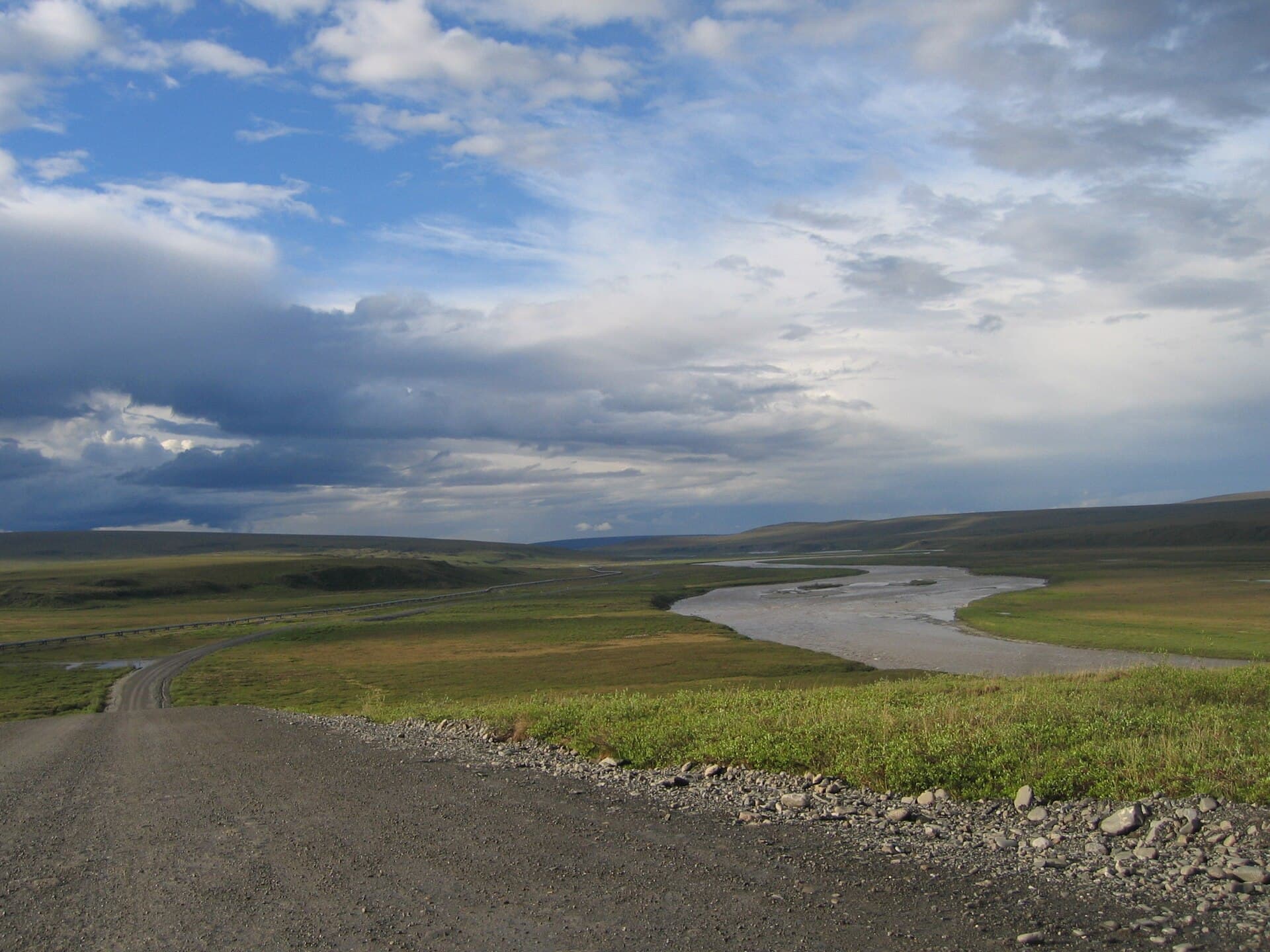
Sagavanirktok River: Rafting Alaska’s Remote Arctic Frontier
Experience the wild, roadless beauty of one of Alaska’s northernmost rivers on the North Slope.
17 August 2026
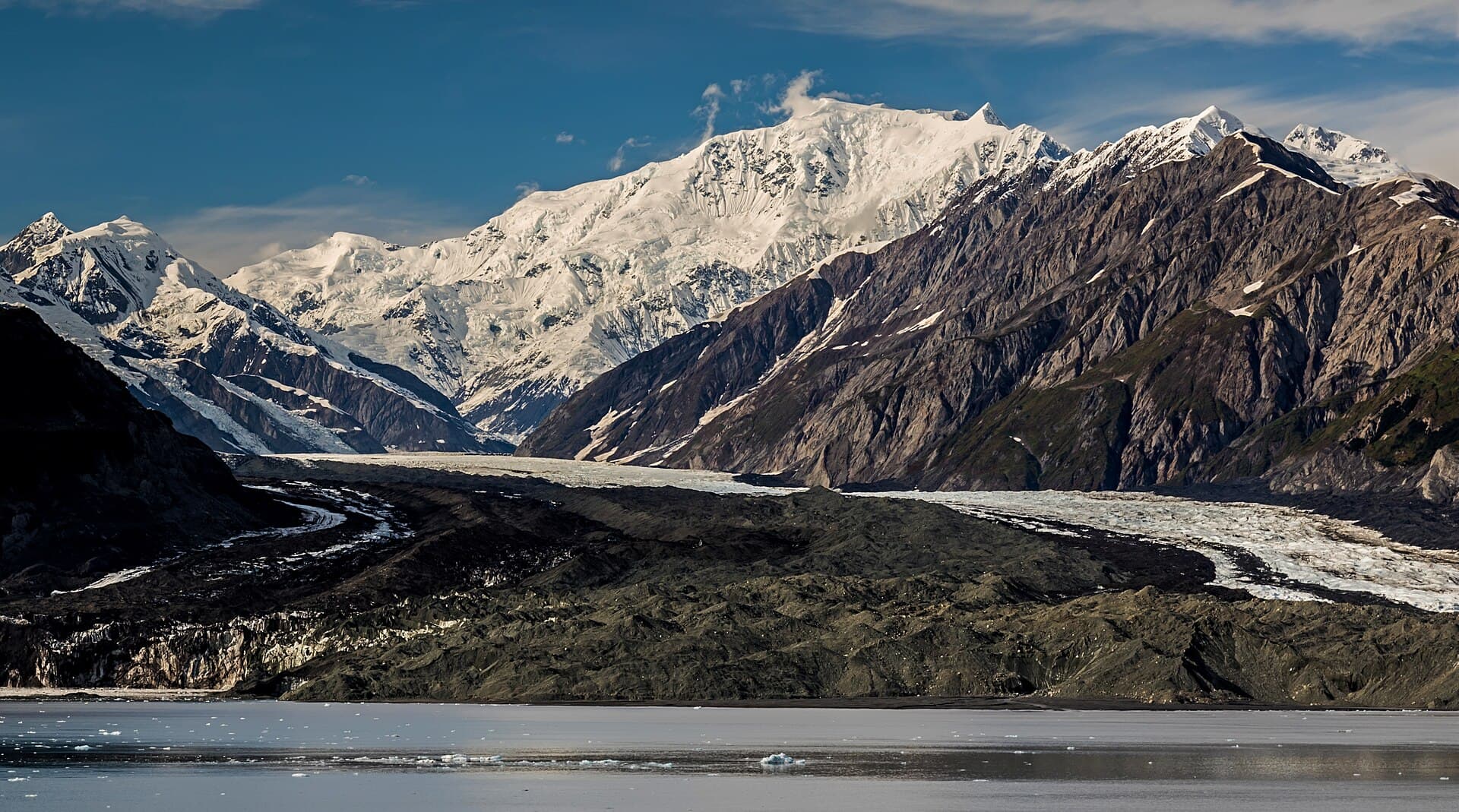
Discover the rugged beauty and solitude of Mount Cook in Wrangell-St. Elias National Park.
Mount Cook rises dramatically in the Saint Elias Mountains of Wrangell-St. Elias National Park, offering one of Alaska’s most isolated alpine experiences. At over 13,700 feet, the peak anchors a vast landscape of icefields, hanging glaciers, and untouched valleys that attract serious mountaineers seeking challenge without crowds.
Access begins in Yakutat, the nearest community with scheduled air service. From there, visitors arrange fixed-wing flights or helicopter charters to reach base areas near the mountain’s northern flanks or the Seward Glacier. No roads lead directly to the peak, preserving its remote character. Expeditions typically involve landing on glaciers or high tundra strips, followed by travel on foot or skis.
The optimal window runs from late May through early September when daylight is long and temperatures allow glacier travel. June and July often bring clearer weather windows, though storms can arrive quickly at any time. Winter visits are possible only for highly equipped teams prepared for extreme cold and darkness.
Experienced climbers attempt the standard route via the north ridge or west face, navigating crevasses and icefalls. Non-climbers can join guided glacier walks or fixed-wing sightseeing flights that circle the peak and neighboring Mount Saint Elias. Wildlife sightings include Dall sheep on lower slopes and occasional grizzly bears near coastal approaches. The surrounding Malaspina Glacier, North America’s largest piedmont glacier, provides dramatic foreground views.
These features combine to create multi-week itineraries for those with proper permits and preparation.
Keep reading
Experience the wild, roadless beauty of one of Alaska’s northernmost rivers on the North Slope.
Arrange a scenic flight from Yakutat that circles the peak and lands briefly on nearby glaciers for short walks if conditions allow.
No. The peak demands advanced glacier travel skills, crevasse rescue knowledge, and prior high-altitude experience due to its remoteness.
A National Park Service permit is needed for Wrangell-St. Elias; check current requirements before travel as rules can evolve.
No roads reach the mountain. All views require air access or multi-day approaches on foot or skis from distant trailheads.
There are no developed facilities. Visitors must be fully self-sufficient with all food, shelter, and safety equipment.
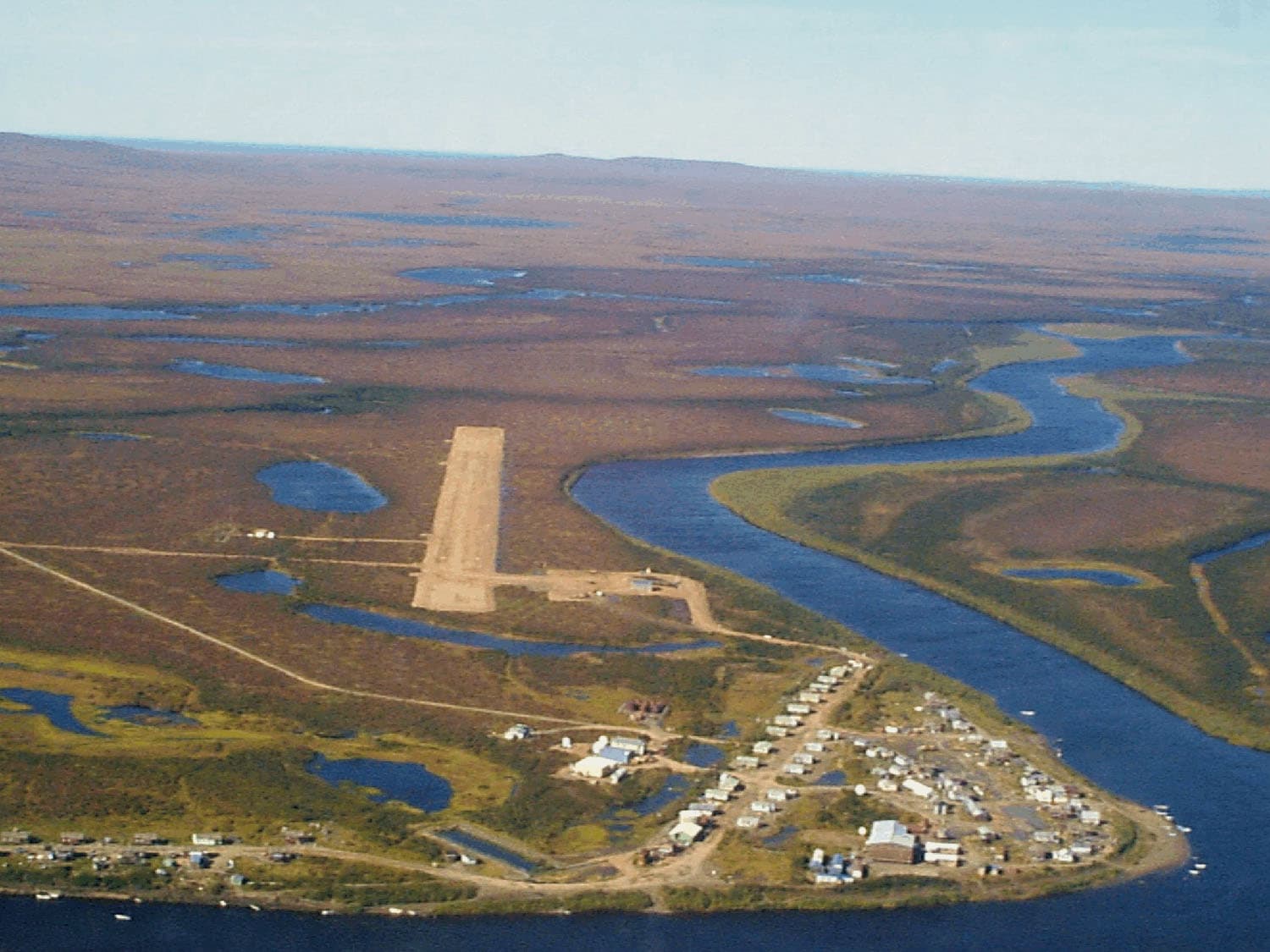
Paddle, fish, and explore the untouched Buckland River deep in northwest Alaska’s Arctic landscape.
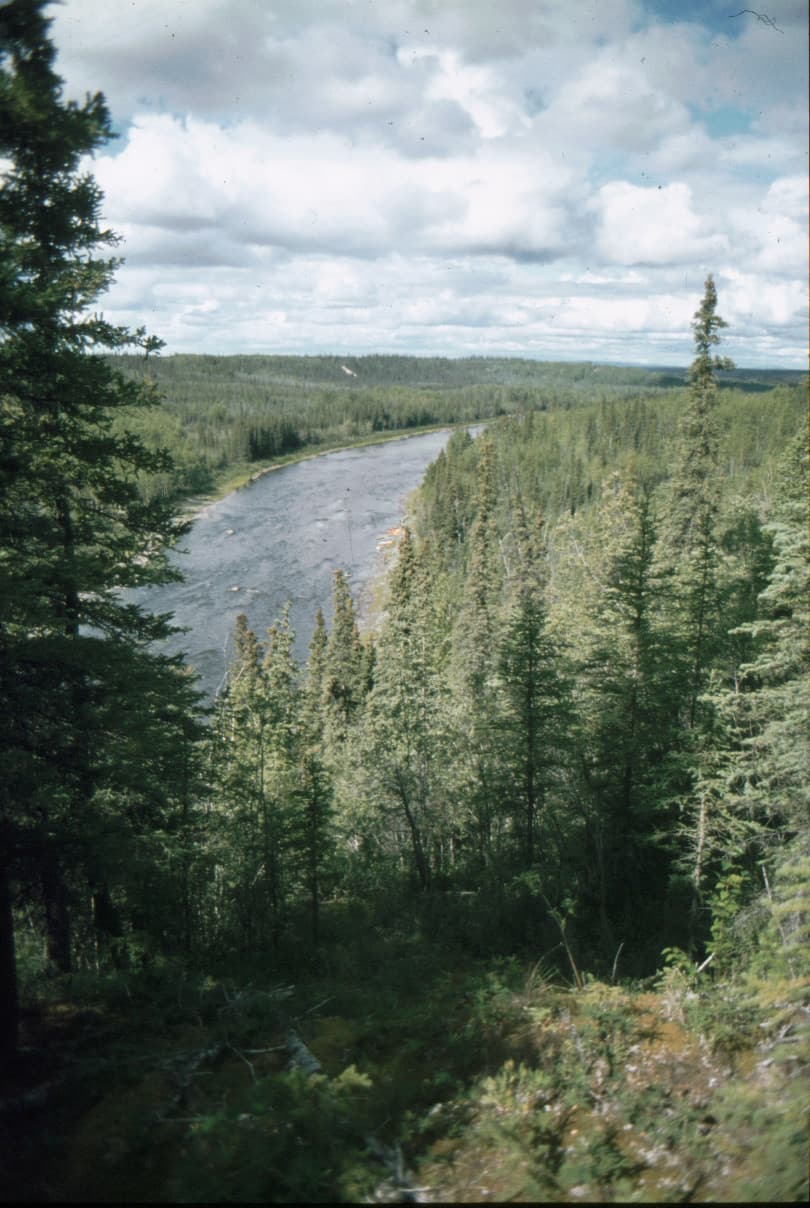
The Gulkana River delivers remote Alaska wilderness, world-class salmon runs, and scenic multi-day floats in the Copper…