Why Visit Mount Adagdak
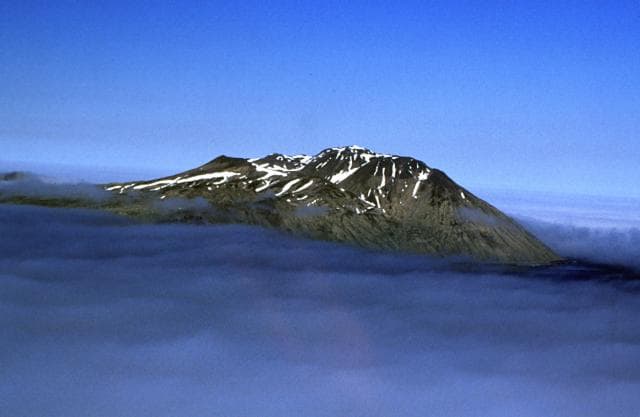
Mount Adagdak rises from the northern end of Adak Island in the Aleutian chain, offering hikers a rare combination of volcanic terrain and unobstructed views across the Bering Sea and North Pacific. Its isolation preserves a stark, windswept landscape shaped by eruptions and constant marine weather, making the summit a rewarding goal for travelers seeking genuine wilderness rather than developed trails.
Getting There
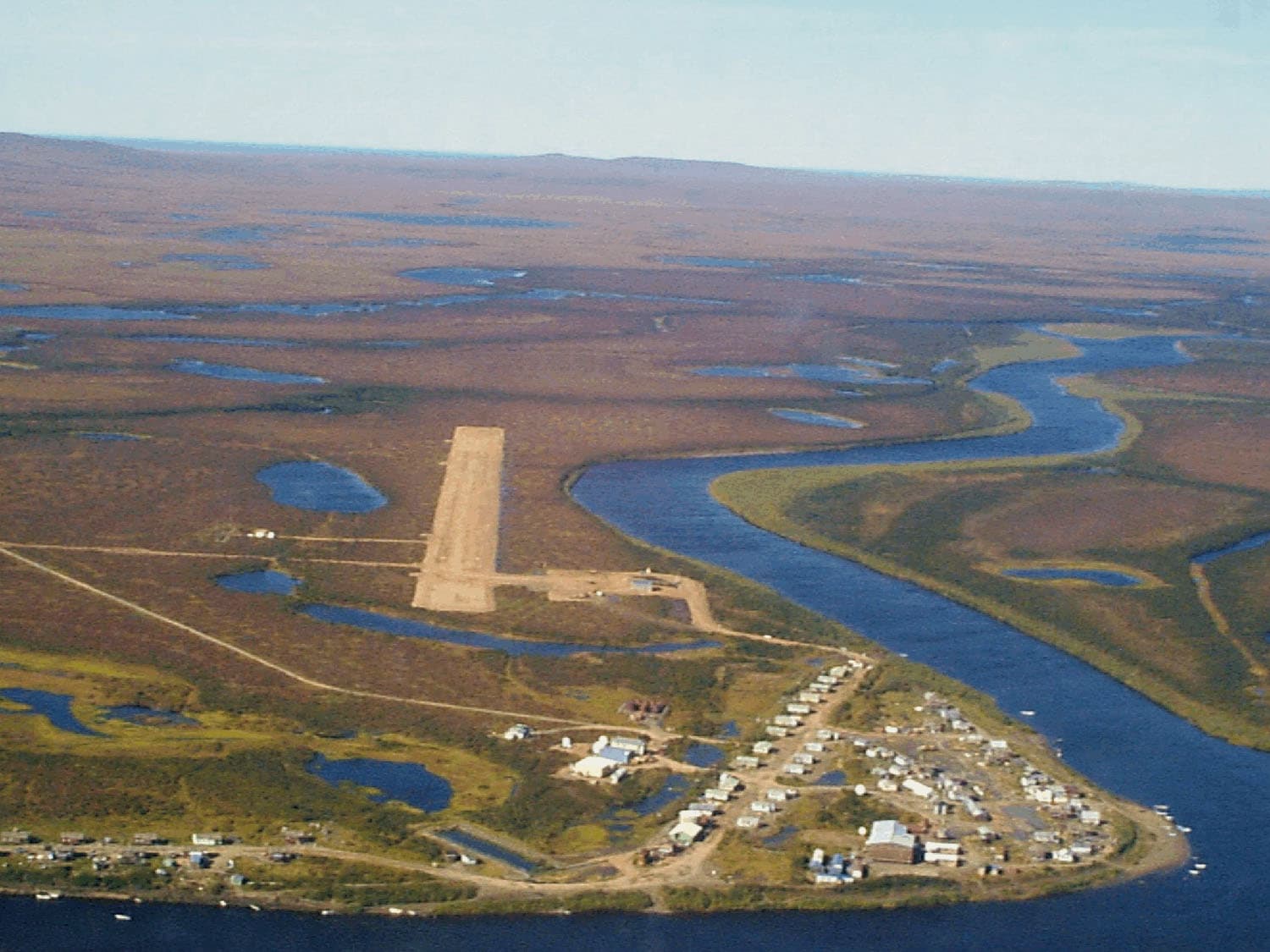
Reach Adak Island by scheduled air service from Anchorage; the island’s airfield lies roughly ten miles from the mountain’s lower slopes. From the settlement, travelers continue by vehicle along the limited road network or by boat across bays to trailheads on the northern shore. Once on foot, unmarked routes ascend grassy ridges and rocky gullies toward the crater rim.
Best Time to Visit
June through early September brings the longest daylight and lowest chance of heavy snow on the upper slopes. Even in summer, prepare for frequent fog, sudden rain, and strong winds that can reduce visibility to a few yards. Winter visits are possible only for experienced mountaineers equipped for extreme conditions and limited daylight.
What to See and Do
The primary activity is hiking to the summit crater, where remnants of past volcanic activity remain visible. Along the way, hikers pass nesting seabird colonies and may spot sea otters or harbor seals in the adjacent coves. The ridgelines also provide panoramic overlooks of other Aleutian volcanoes on clear days. Photographers find dramatic light at both sunrise and sunset because the mountain faces open ocean in two directions.
- Combine the hike with a visit to nearby Lake Adak for freshwater fishing or shoreline walks.
- Observe World War II-era bunkers and runways that dot the island, illustrating its strategic history.
- Watch for migratory whales during shoulder months when marine life passes close to shore.
Nearby Attractions
Adak Island itself contains additional volcanic features and coastal trails. Short boat trips reach neighboring islands in the Andreanof group for extended backcountry camping. The entire region forms part of the Alaska Maritime National Wildlife Refuge, protecting millions of seabirds and marine mammals.