Why Linzor Draws Adventurous Travelers
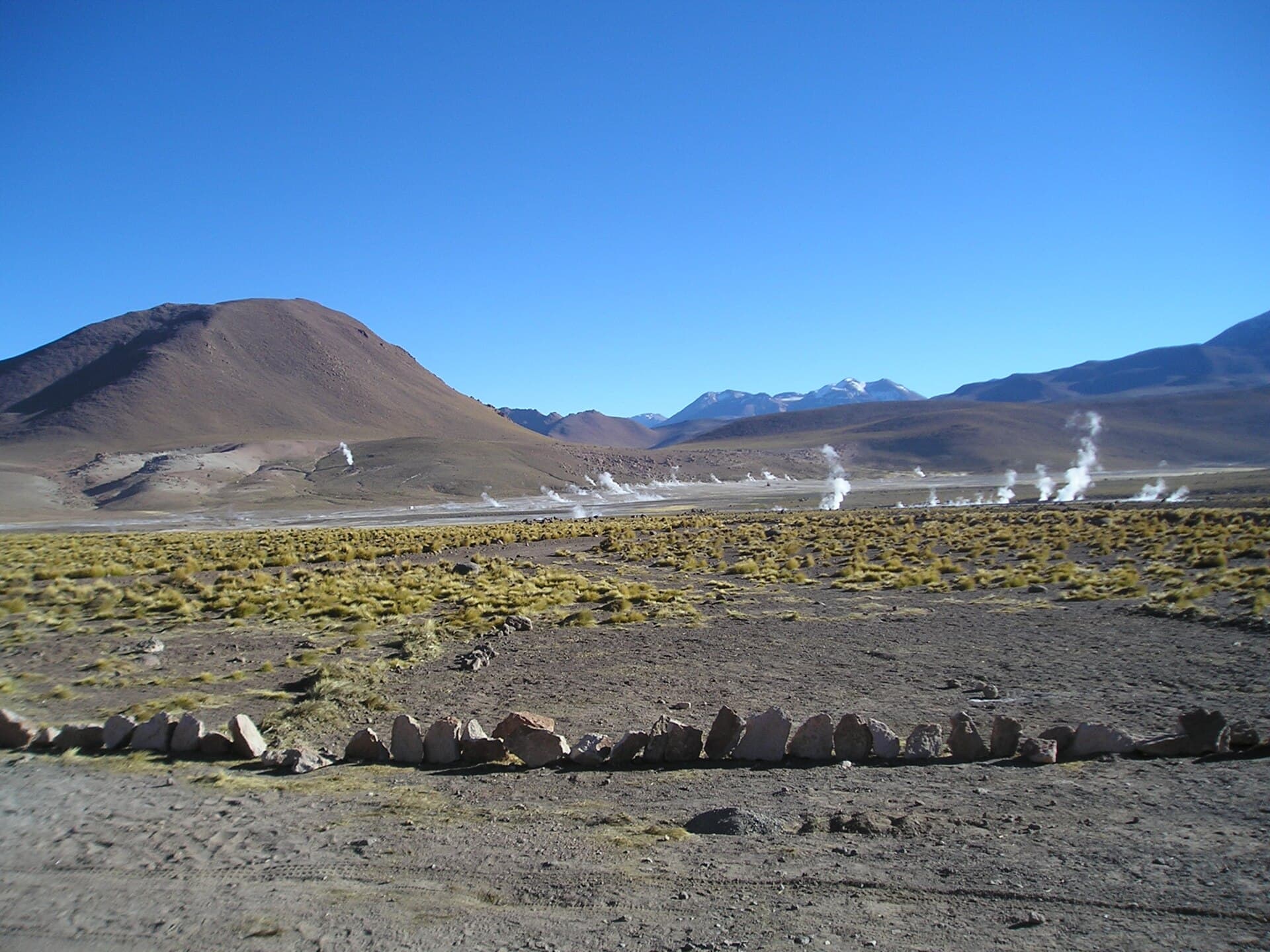
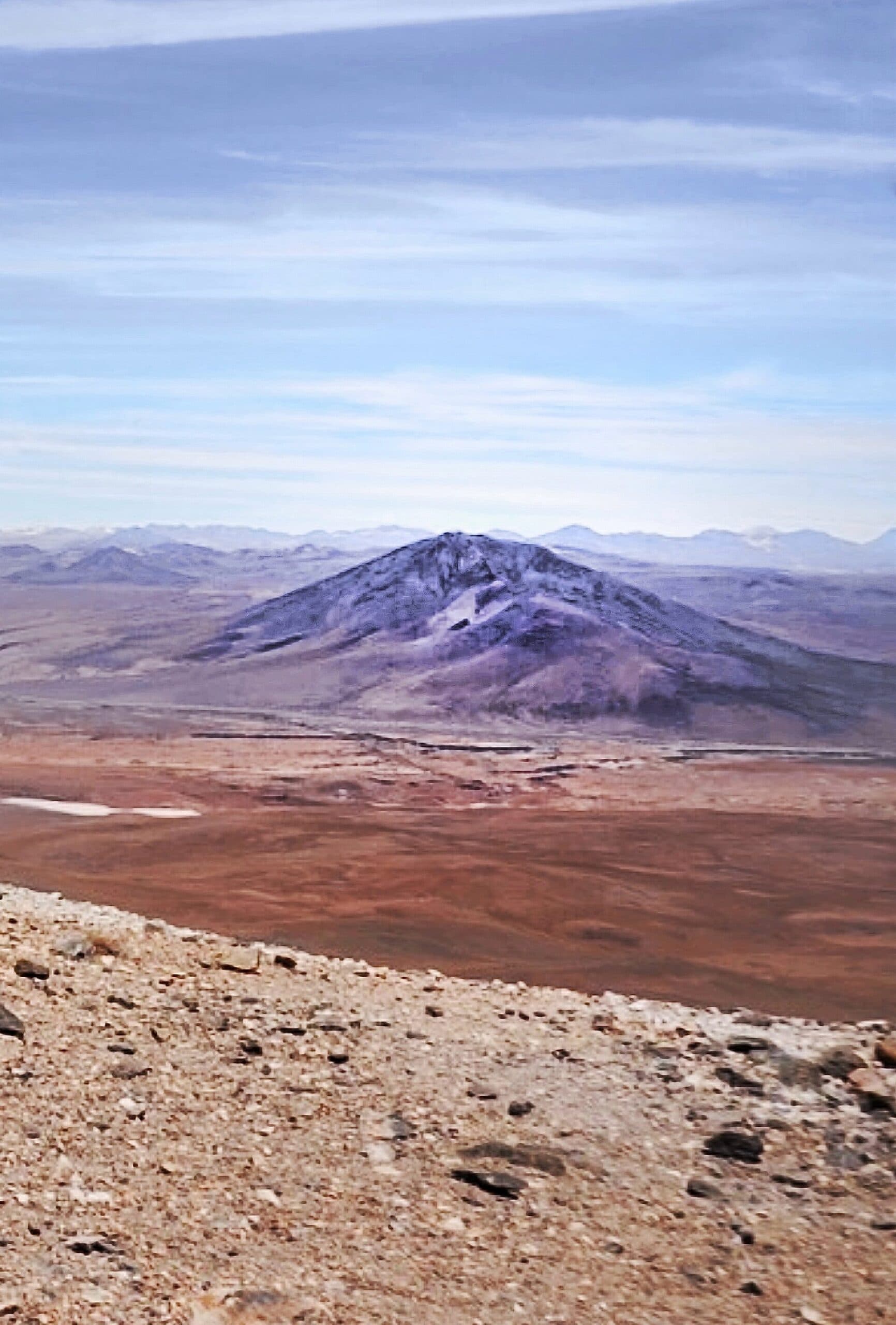
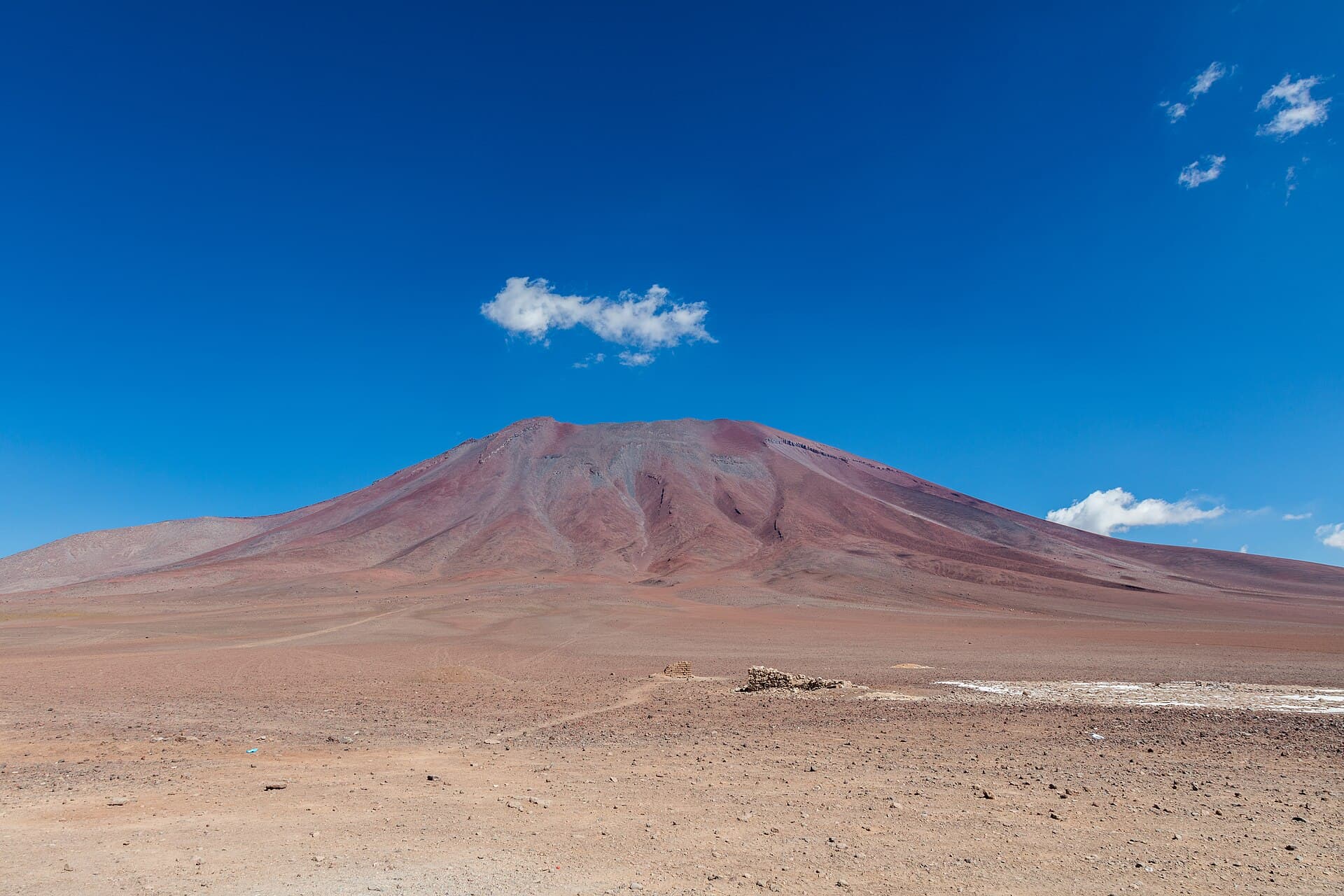
Linzor rises as a prominent stratovolcano in the Cordillera Occidental, offering sweeping views across the high puna and neighboring peaks. Its isolation in Sur Lípez Province keeps crowds away, rewarding visitors with quiet trails and dramatic volcanic scenery that includes steaming fumaroles and colorful mineral deposits.
Reaching the Mountain
Access begins in Uyuni or Tupiza, where travelers arrange 4×4 transport for the multi-hour drive south across high desert roads. The final approach follows rough tracks that climb toward the base; most visitors continue on foot or with local drivers experienced in high-altitude terrain. Public transport does not reach the mountain, so independent exploration requires a sturdy vehicle and sufficient fuel reserves.
Best Time to Visit
The dry season from May through October brings clearer skies and more stable weather for hiking. Afternoon winds can still be strong, so early starts are essential. Summer months bring occasional snow and colder nights, though the landscape remains striking year-round.
What to See and Do
Most hikers aim for the summit via established ridges, passing through zones of reddish rock and sparse ichu grass. Along the way, look for vicuñas and Andean foxes. At the crater rim, expansive vistas include the salt flats to the north and distant volcanoes such as Ollagüe. Photographers often linger near the fumarole fields where sulfur crystals create vivid yellow and green patterns.
Nearby Attractions
- The Eduardo Avaroa Andean Fauna Reserve lies a short drive south, home to flamingo colonies at highland lagoons.
- Thermal springs near the village of Quetena offer a relaxing contrast after a day on the mountain.
- Further exploration leads to the striking rock formations of the Siloli Desert and the striking Laguna Colorada.
Combining Linzor with these sites creates a multi-day itinerary through the region’s volcanic and saline landscapes.