Why Lindeman Lake Stands Out
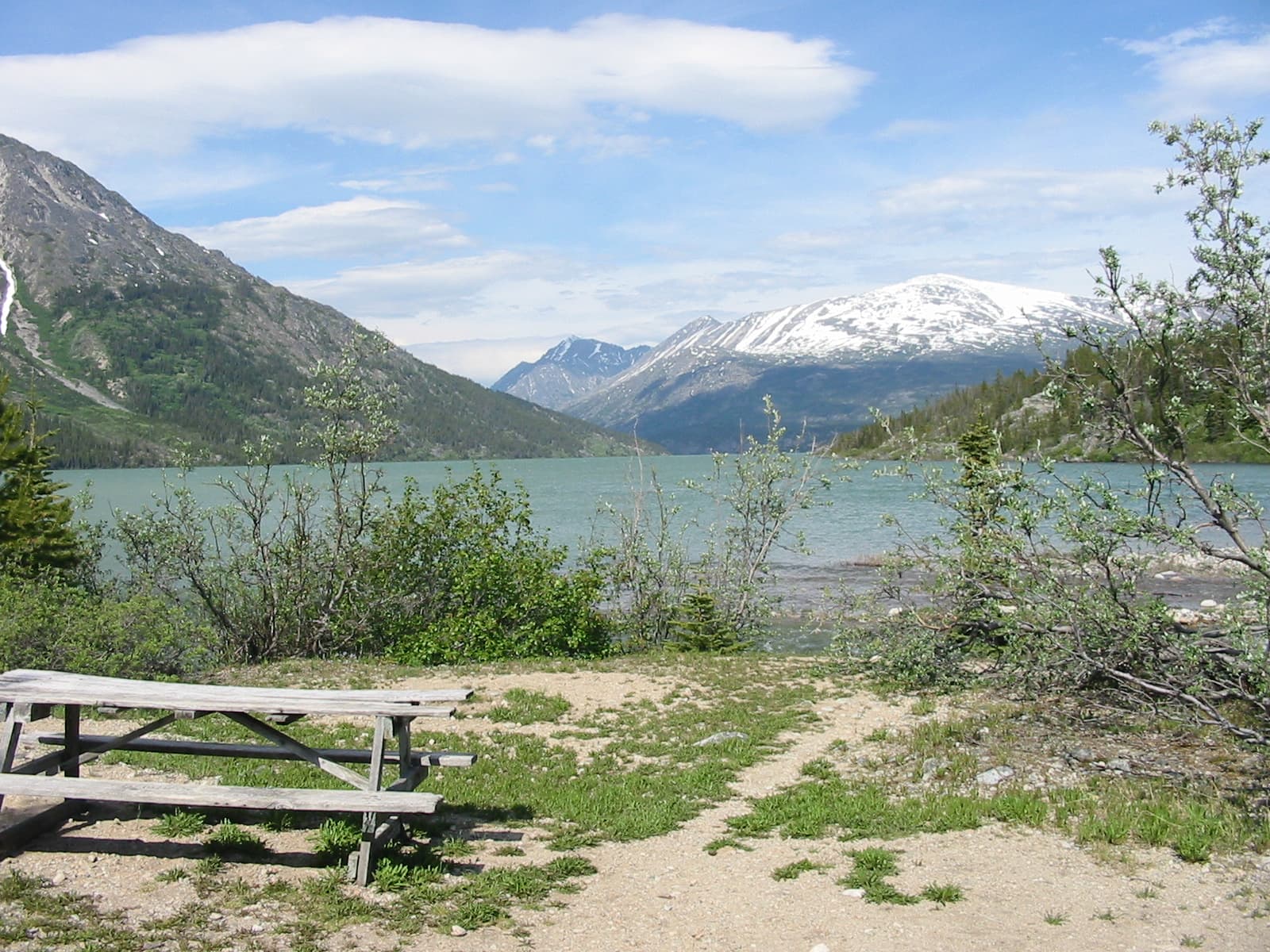
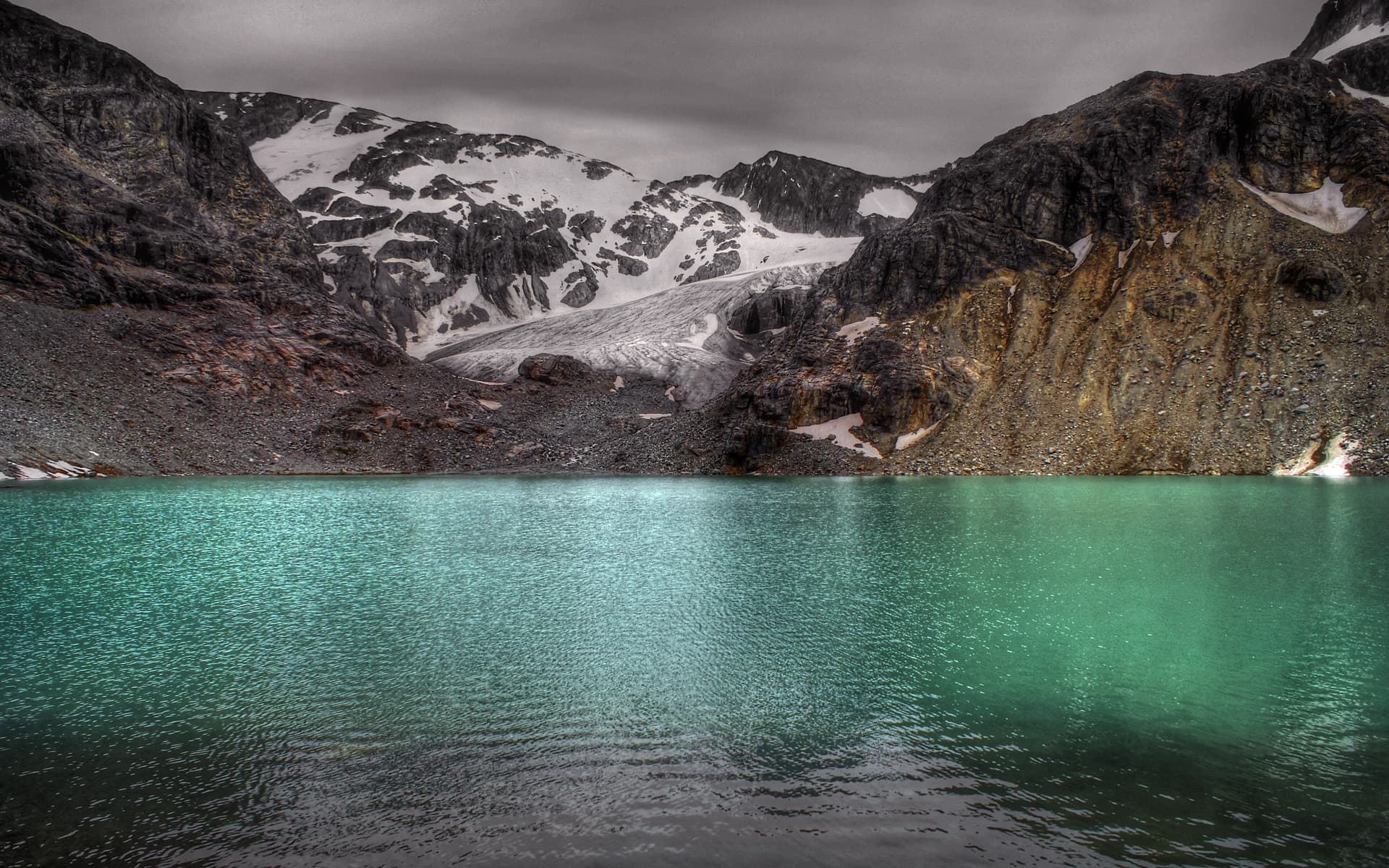
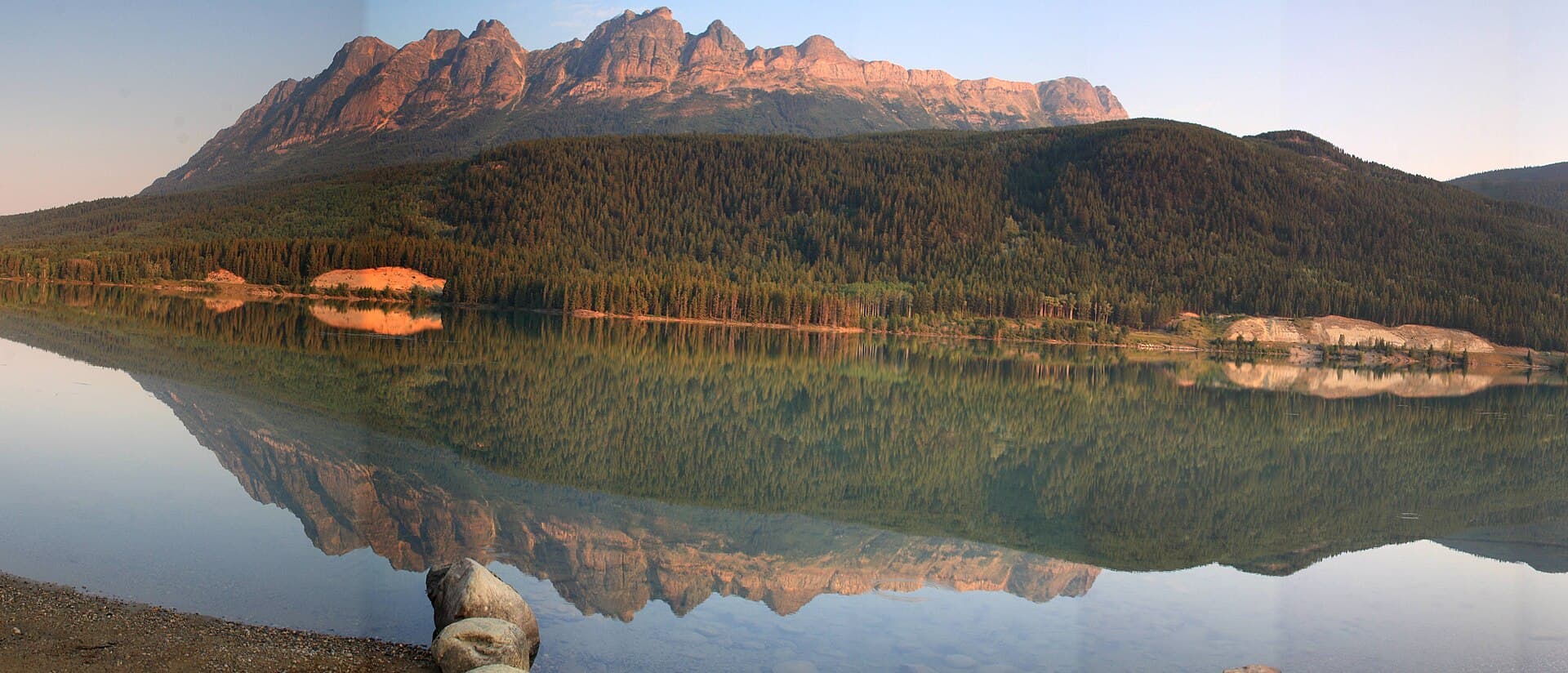
Lindeman Lake sits in the rugged northern reaches of British Columbia, where glacial meltwater creates vivid turquoise hues against a backdrop of steep peaks and subalpine forest. Its isolation within Tatshenshini-Alsek Provincial Park preserves a quiet, untouched quality that draws travelers seeking genuine wilderness rather than developed viewpoints.
Getting There
Access begins along the Haines Highway corridor near the British Columbia–Yukon border. Most visitors start from the small settlement of Haines Junction or the port town of Haines, Alaska. A combination of highway pullouts and maintained trails leads to the lakeshore; the final approach is on foot, crossing streams and ascending through spruce and fir. Four-wheel-drive vehicles help on the initial gravel sections, but the route remains weather-dependent and requires checking current road conditions before departure.
Best Time to Visit
July through early September offers the most reliable window for travel, when snow has melted from the trail and daytime temperatures allow comfortable hiking. Wildflowers peak in mid-July, while late August brings golden foliage at higher elevations. Early season visits may encounter lingering snow patches, and shoulder months can bring sudden cold snaps or high winds.
Things to Do at the Lake
Day hikers reach the shoreline for photography of the reflective water and surrounding ridges. Stronger walkers continue on informal paths that climb toward viewpoints above the lake or connect with longer routes along the Tatshenshini River corridor. Anglers cast for trout in the clear shallows, while careful observers may spot mountain goats on nearby cliffs. Overnight camping is permitted at designated sites, allowing starlit skies free of light pollution.
Nearby Attractions
The broader park contains the Tatshenshini River, popular for multi-day rafting trips that pass through dramatic canyons. Short detours lead to other alpine tarns and the historic mining remnants near the Yukon border. Travelers often combine a visit with time in Kluane National Park to the north for additional hiking and wildlife viewing.
Wildlife and Safety Considerations
Bears frequent the area, so travel in groups, make noise on blind corners, and carry bear spray. The remote setting means no cell service or facilities; visitors must carry all supplies, including extra layers and navigation tools. Leave-no-trace practices protect the fragile shoreline vegetation and water quality.