Why the Tatshenshini River Stands Out
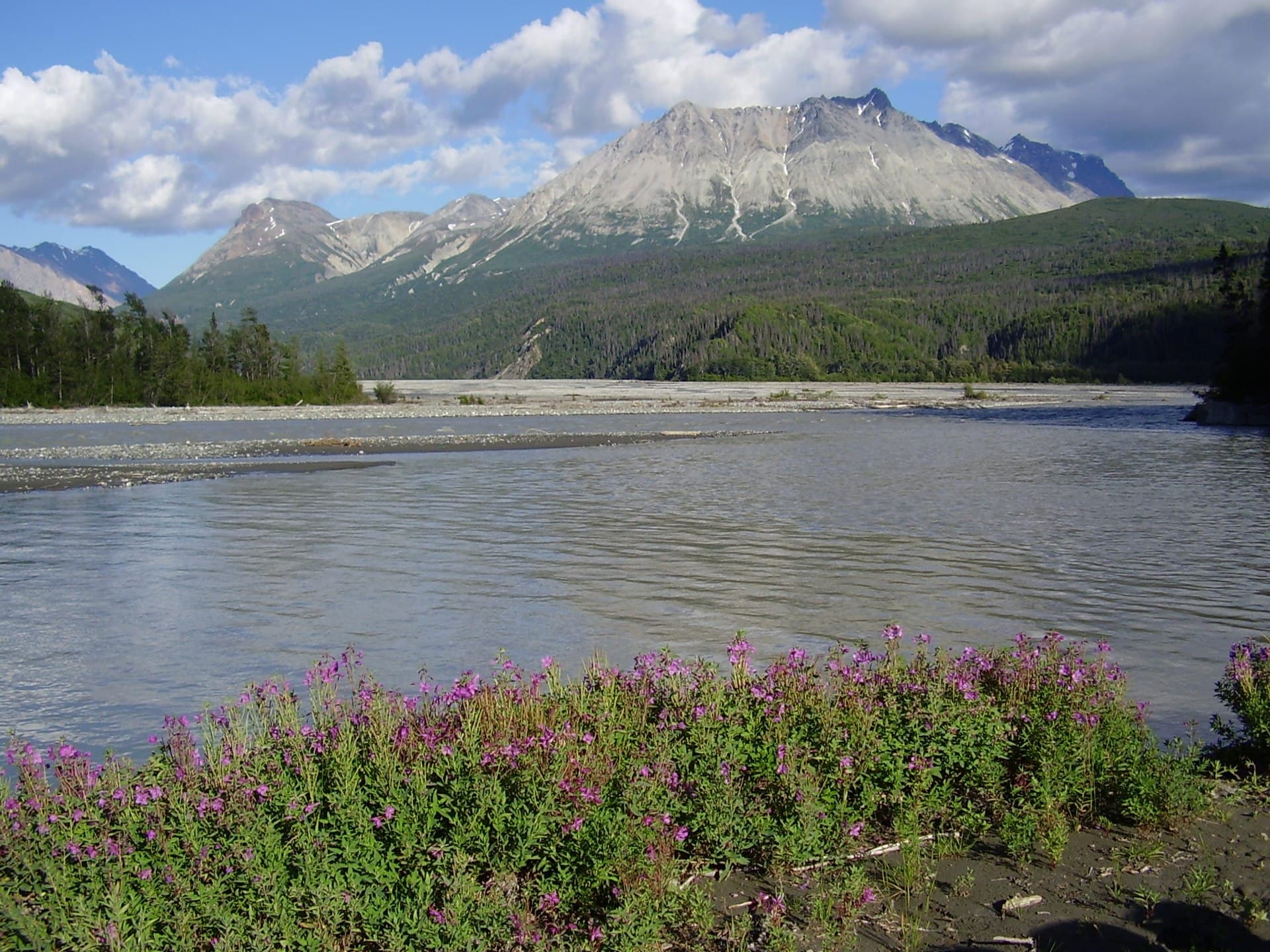
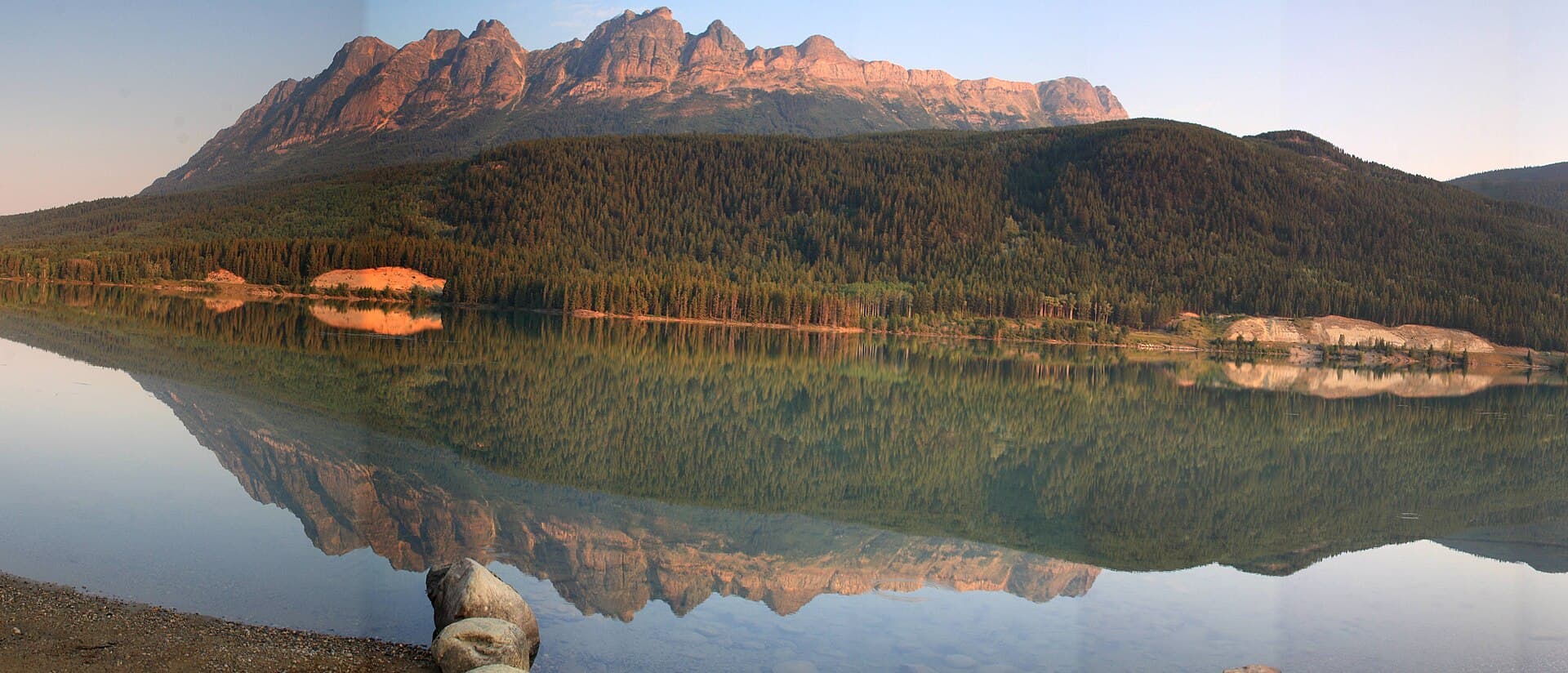
The Tatshenshini River carves through Tatshenshini-Alsek Provincial Park, part of a vast transboundary UNESCO World Heritage site that also includes Kluane and Glacier Bay. Its appeal lies in untouched boreal and alpine scenery, frequent wildlife sightings, and the complete absence of roads or settlements along most of its course. Rafters experience a true wilderness corridor where the river drops from high plateaus into coastal temperate rainforest before joining the larger Alsek River.
What to See and Do
Multi-Day Rafting Expeditions
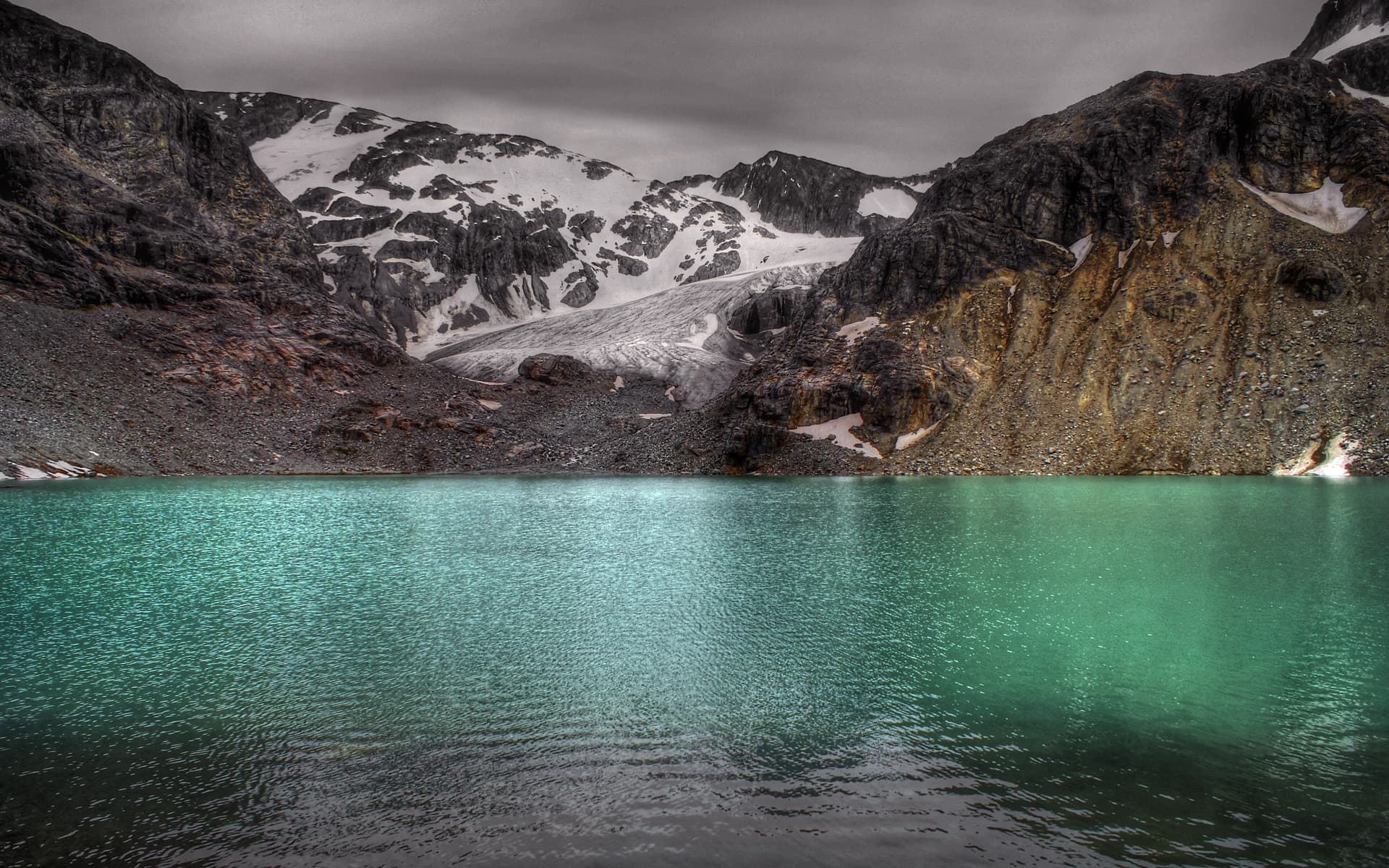
Guided raft trips typically run from the Yukon border near Dalton Post to Dry Bay on the Alaska coast. Travelers encounter Class II-III rapids, calm sections ideal for wildlife viewing, and side hikes to alpine ridges or abandoned mining sites. Highlights include the massive Lowell Glacier and dense stands of coastal forest near the river’s end.
Wildlife and Scenery
Grizzly bears, black bears, moose, and bald eagles are commonly seen. The river corridor supports one of the densest concentrations of grizzlies in North America. Glacial silt gives the water a distinctive turquoise hue that shifts with light and sediment load.
How to Get There
Most visitors fly into Whitehorse, Yukon, or Haines, Alaska, then transfer by road or floatplane to the put-in. Return logistics often involve a bush-plane flight from Dry Bay back to Haines. Independent access is limited because the area has no maintained roads or facilities.
Best Time to Visit
Peak season runs from late June through early September when water levels support rafting and daytime temperatures are comfortable. Earlier in the season, higher flows create more challenging rapids; later trips offer clearer water and fewer mosquitoes.
Nearby Places Worth Combining
Many travelers link a Tatshenshini trip with time in Kluane National Park for hiking or the Haines coastal area for sea-kayaking. The Alsek River continuation offers an even longer wilderness option for experienced paddlers.