
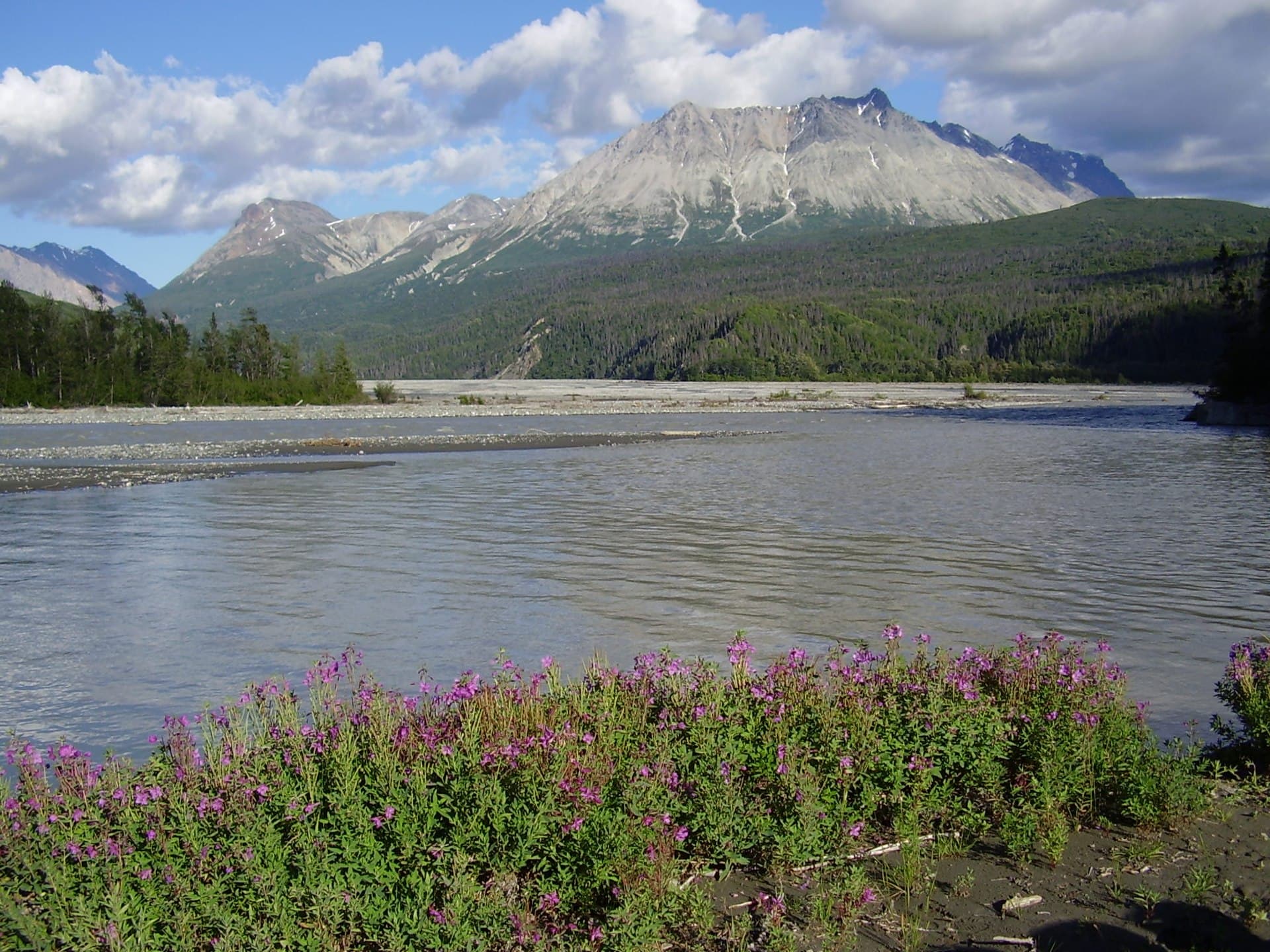
Tatshenshini-Alsek Provincial Park: Rafting and Wilderness in British Columbia’s Far North
This remote UNESCO-linked park offers world-class river rafting through glaciers, grizzly habitat, and towering peaks.
Why Tatshenshini-Alsek Provincial Park Stands Out
Tatshenshini-Alsek Provincial Park protects one of North America’s largest intact wilderness areas, where the Tatshenshini River meets the Alsek and flows through a landscape of active glaciers, coastal mountains, and rich salmon streams. Designated part of a transboundary UNESCO World Heritage site, the park is prized for its biodiversity, including dense populations of grizzly bears, and for multi-day rafting expeditions that rank among the continent’s premier wilderness adventures.
Things to See and Do
River Rafting and Kayaking
The primary draw is floating the Tatshenshini River from Dalton Post to the Alsek confluence and onward to Dry Bay in Alaska. Trips typically last 8 to 11 days and pass through narrow canyons, broad braided channels, and tidewater glaciers calving into the river. Commercial outfitters provide all equipment and logistics for these fully supported journeys.
Wildlife Viewing and Hiking
Shore excursions allow visitors to hike across tundra meadows and moraines where grizzlies feed on berries and salmon. Look for mountain goats on cliff faces and bald eagles along the waterways. Short day hikes from river camps reveal alpine wildflowers and panoramic views of the St. Elias Mountains.
Glacier and Mountain Scenery
The park contains the massive Tweedsmuir Glacier and portions of the Lowell Glacier system. Travelers can witness icebergs and dramatic icefalls from the water, with opportunities for closer exploration on guided side trips.
How to Get There
Access begins in Haines Junction, Yukon, or Haines, Alaska. Most visitors join guided rafting trips that include transportation from Whitehorse or Haines. Independent travelers require jet-boat shuttles or floatplane arrangements to reach put-ins, as no roads penetrate the park interior.
Best Time to Visit
The main season runs from mid-June through early September when rivers are navigable and weather permits extended camping. July and August offer the longest days and most reliable conditions for wildlife sightings, while shoulder months can bring cooler temperatures and fewer insects.
Nearby Places Worth Exploring
- Kluane National Park and Reserve lies directly north and shares the same icefield landscapes.
- Glacier Bay National Park in Alaska continues the river journey to the Pacific.
- The Chilkat River Valley near Haines provides accessible eagle viewing as a contrast to the park’s deeper wilderness.
Visitor tips
- Book multi-day rafting trips well in advance, as group sizes are limited by park regulations and logistics are complex.
- Prepare for complete self-sufficiency in a no-road, no-cell-service environment; bring layered clothing, quality rain gear, and bear-resistant food storage.
- Obtain necessary permits through licensed outfitters or Parks Canada/Yukon authorities before entering the river corridor.
Frequently asked questions
Do I need a permit to visit Tatshenshini-Alsek Provincial Park?
Independent travelers require a river-use permit; most visitors join licensed commercial trips that handle permitting and logistics.
What kind of wildlife can I expect to see?
Grizzly bears are common along the rivers, along with black bears, mountain goats, moose, and numerous bird species including eagles and ptarmigan.
How physically demanding are the rafting trips?
Trips involve moderate paddling and daily shore hikes; participants should be comfortable camping for a week or more in variable weather.
Can I visit without joining a guided trip?
Independent travel is possible but requires significant planning, specialized equipment, and coordination for shuttles or floatplanes.
Are there any developed facilities inside the park?
There are no roads, lodges, or maintained trails; visitors camp at designated river sites and must pack out all waste.