Skip to content
Plan & Tour
DestinationsItinerariesTravel BlogAboutContact
0Sign inPlan a trip
Plan & TourPlan & Tour

Travel guides, destination inspiration and curated itineraries for Canada, the USA and beyond, plus a free tool to plan your own day-by-day trip.

Get travel inspiration

Explore

  • All Destinations
  • Curated Itineraries
  • Travel Blog
  • Plan a Trip

Topics

  • Hiking & Nature
  • Food & Drink
  • City Breaks
  • Budget Travel

Company

  • About Us
  • Contact
  • Privacy Policy
  • Terms of Service

© 2026 Plan & Tour. Built for travellers.

Discover the world, one trip at a time.

Léré Lake: Cameroon’s Remote Sahel Waters in the Far North
  1. Home
  2. Destinations
  3. Far North
  4. Léré Lake: Cameroon’s Remote Sahel Waters in the Far North
Lake

Léré Lake: Cameroon’s Remote Sahel Waters in the Far North

A seasonal freshwater lake supporting fishing villages and birdlife amid the savanna of Far North Cameroon.

Far NorthUpdated 28 October 2026

Why Léré Lake Stands Out

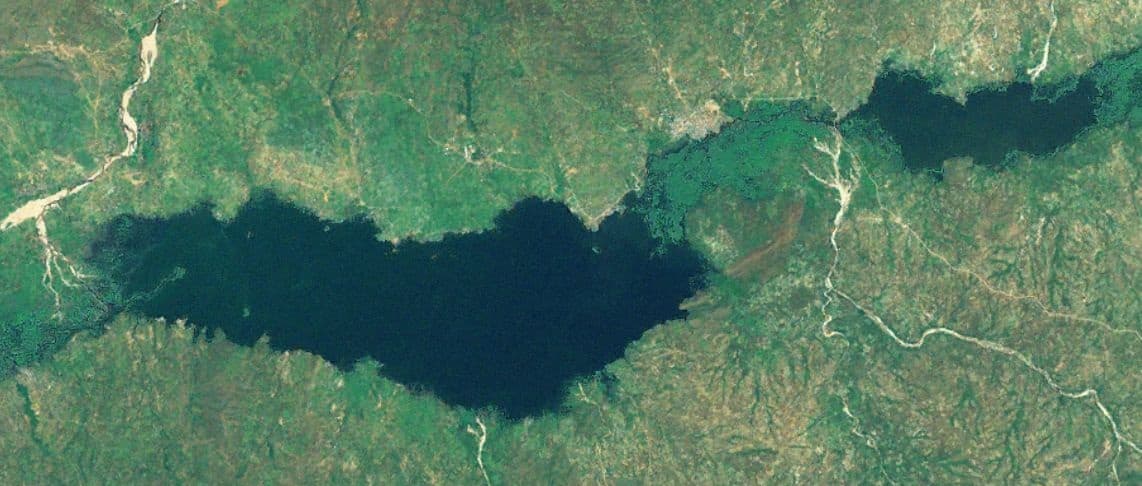
Léré Lake sits in the Mayo-Danay division of Cameroon’s Far North region, a broad, shallow body of water fed by seasonal rivers that drain the surrounding plains. Unlike the larger, more visited lakes farther south, Léré remains tied to the rhythms of local fishing communities whose dugout canoes and reed traps have changed little in generations. The lake’s edges shift with the rains, creating rich feeding grounds for migratory waterbirds and offering visitors a quiet window into Sahel ecology.

Getting There

Travelers typically reach the lake from Maroua, the regional capital, by heading east on the N1 toward Yagoua and then turning north on unpaved tracks that become passable after the rains subside. Four-wheel-drive vehicles are strongly recommended; the final approach crosses clay soils that turn to deep mud in the wet season. Those coming from N’Djamena in Chad cross the border at Kousseri and continue south, though this route involves additional checkpoints and variable road conditions on both sides.

Best Time to Visit

The dry season from November to March brings stable roads and lower water levels that concentrate fish and birds near the shore. April through October sees rising waters that can flood access tracks, yet this period offers dramatic skies and active fishing as the lake expands across the floodplain. Early morning visits reward birdwatchers with cooler temperatures and active wildlife before the midday heat intensifies.

What to See and Do

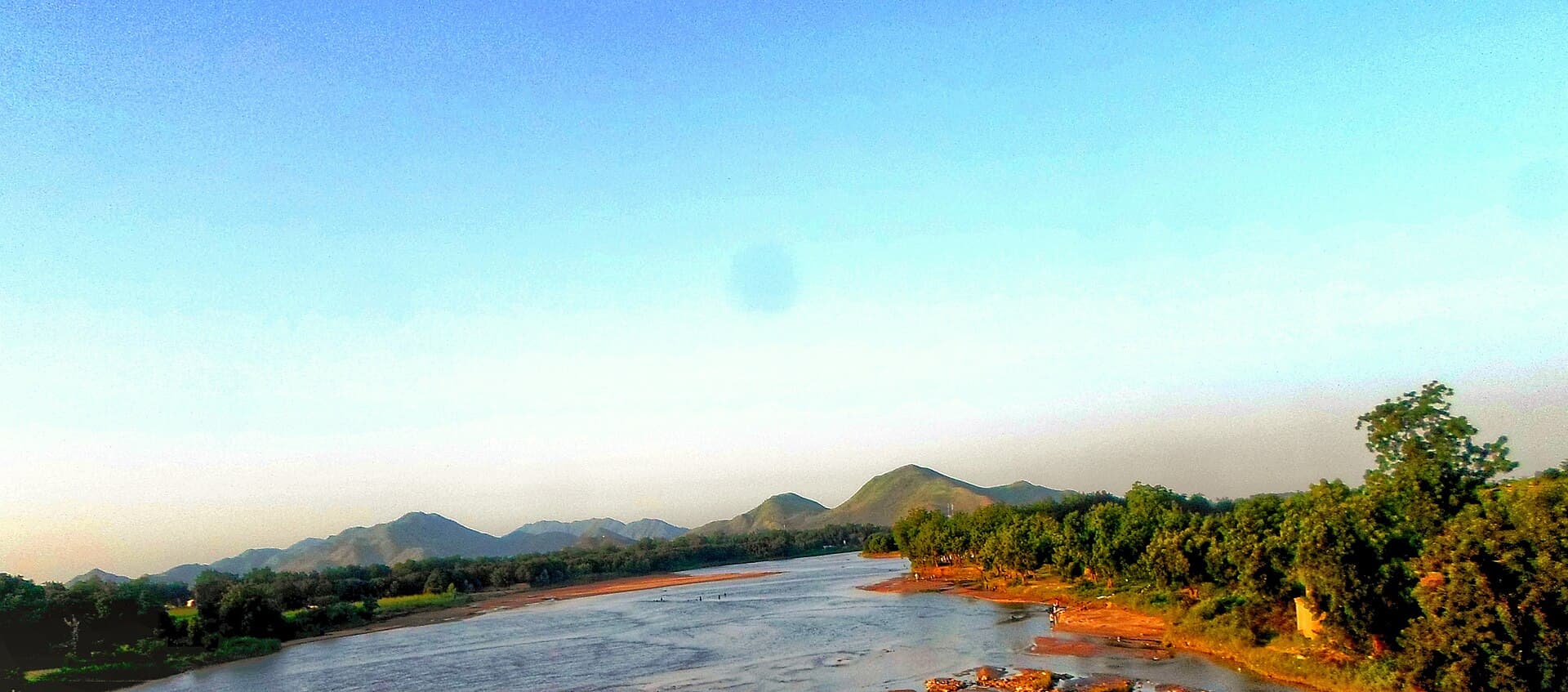
Local fishermen demonstrate traditional techniques using basket traps and hand lines; visitors can observe these practices from the bank without disturbing the work. The surrounding acacia savanna supports small herds of antelope and provides habitat for species such as the African jacana and various herons. Short walks along the eastern shore reveal seasonal islands that host nesting colonies during the dry months. Photography is best from the northern shore where the horizon opens across the water toward the distant Mandara Mountains.

Nearby Attractions

  • The town of Yagoua offers weekly markets where local produce and woven mats change hands.
  • Further west, the floodplains near Logone Birni provide additional birding opportunities along the Logone River.
  • Day trips can extend to the archaeological sites around the Mayo Tsanaga valley, where ancient settlement mounds rise above the plain.

Overnight options remain basic, with simple guesthouses in nearby villages; travelers should carry sufficient water and fuel, as services are sparse once the main road is left behind.

Visitor tips

  • Carry extra fuel and at least two spare tires; the unpaved tracks to the lake are rough and remote.
  • Hire a local guide from the fishing villages to navigate the shifting shoreline and explain seasonal fishing methods.
  • Dress modestly and ask permission before photographing people or their work, as communities around the lake value privacy.

Frequently asked questions

Is Lu00e9ru00e9 Lake suitable for swimming?+

The shallow, muddy margins and presence of fishing gear make swimming impractical; most visitors observe the water from the shore.

Are there facilities such as toilets or restaurants at the lake?+

No permanent facilities exist; visitors must bring all supplies and use basic village services several kilometers away.

Can I visit Lu00e9ru00e9 Lake without a four-wheel-drive vehicle?+

Dry-season access is occasionally possible with high-clearance two-wheel-drive cars, but conditions change quickly and a 4x4 remains the safer choice.

What wildlife is most likely to be seen?+

Waterbirds including herons, jacanas and stilts are common; hippos are rare but occasionally reported in deeper channels during high water.

Is a border crossing from Chad required to reach the lake?+

No; the lake lies entirely within Cameroon, though travelers coming from N'Djamena will cross the border earlier in their journey.

Share
Google Maps Apple Maps Directions

Image: Peter in s · Public domain · via Wikimedia Commons

Keep reading

Nearby & related

All stories
M
Far North

Massif de Mora: Hiking Cameroon’s Dramatic Far North Mountains

Discover the rugged volcanic landscapes, hiking trails, and Mandara Mountain culture at Massif de Mora near the town of…

30 October 2026
The Cultural Center and Museum of the Logone Valley: Exploring Cameroon’s Far North Heritage
Far North

The Cultural Center and Museum of the Logone Valley: Exploring Cameroon’s Far North Heritage

This museum preserves the artistic traditions, archaeological finds, and living cultures of the Logone Valley in a…

30 October 2026
Mayo Tsanaga River: Exploring Cameroon’s Remote Far North Waterway
Far North

Mayo Tsanaga River: Exploring Cameroon’s Remote Far North Waterway

This seasonal river cuts through the Mandara foothills near Maroua, offering visitors a glimpse of Sahelian landscapes,…

30 October 2026