Why Lake Clark National Park and Preserve Stands Apart
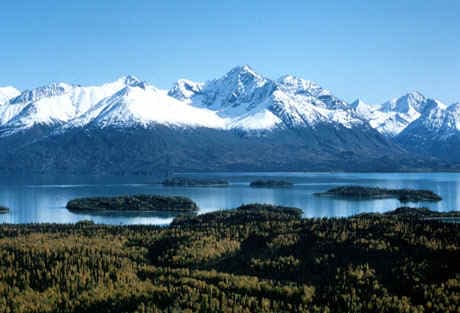
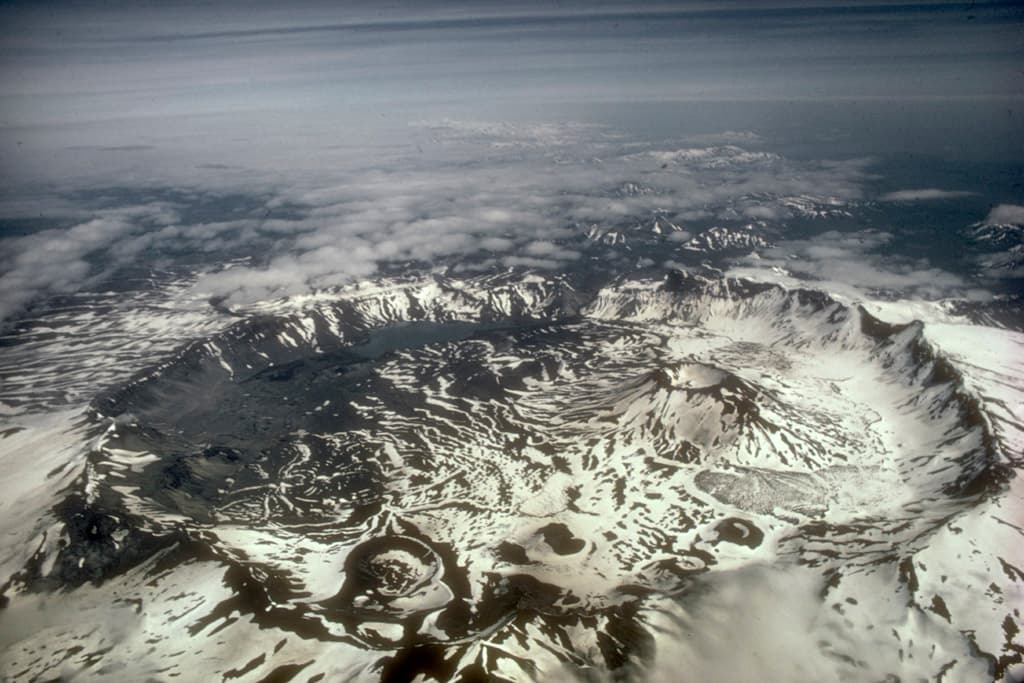
Spanning over four million acres across the Chigmit Mountains and the western edge of Cook Inlet, Lake Clark National Park and Preserve protects a complete cross-section of Alaska ecosystems, from tidewater glaciers and volcanic peaks to clear alpine lakes and coastal estuaries. The park’s isolation has preserved one of the densest populations of brown bears in the world, alongside healthy runs of sockeye and chinook salmon that draw both wildlife and anglers.
Getting There
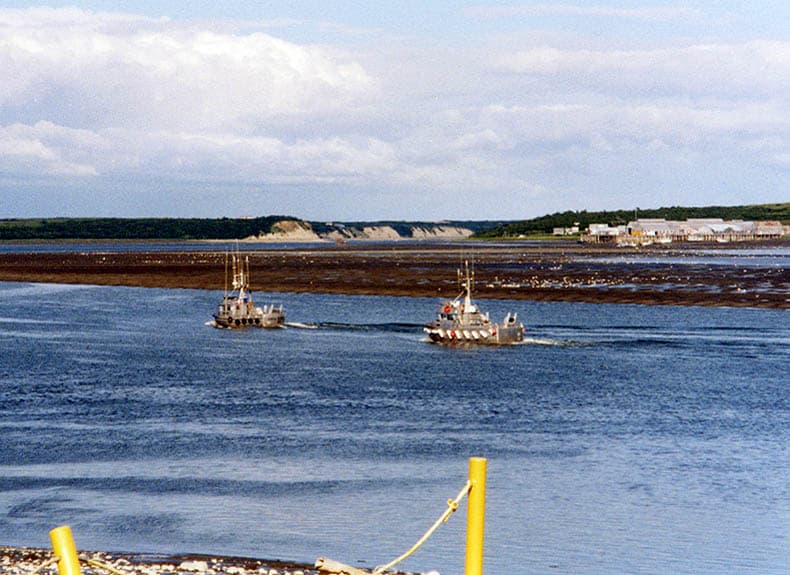
No roads reach the park. Most visitors arrive by floatplane from Anchorage or Homer, landing on lakes such as Lake Clark, Crescent Lake, or Telaquana Lake. Some travelers charter boats across Cook Inlet from the Kenai Peninsula. Once inside, movement occurs by foot, kayak, or small aircraft; there are no maintained roads or public shuttles.
Highlights and Activities
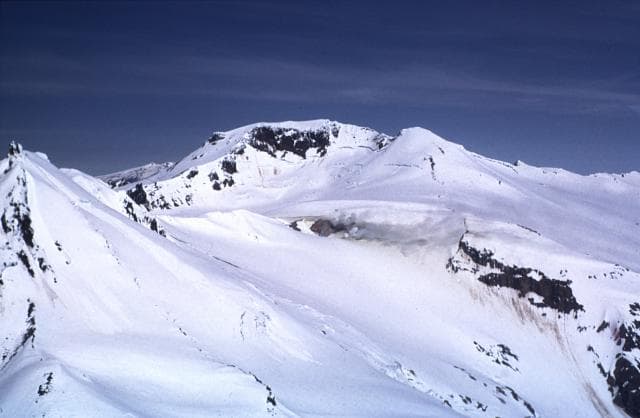
At Silver Salmon Creek and Chinitna Bay, visitors can observe coastal brown bears fishing in the intertidal zone during low tide. Inland, the turquoise waters of Lake Clark itself provide excellent kayaking and fishing for trout and salmon. The twin volcanoes Redoubt and Iliamna offer strenuous day hikes with views of active steam vents and hanging glaciers. The Tanalian Falls trail near Port Alsworth delivers a moderate walk through spruce forest to a powerful waterfall. In autumn, the tundra around Twin Lakes turns brilliant red and gold, creating striking foregrounds for the snow-dusted peaks.
Best Time to Visit
June through early September offers the longest days, reliable floatplane access, and peak salmon runs that concentrate bears. Late August and September bring fewer insects and vivid fall colors, though weather can turn quickly. Winter travel is possible for experienced backcountry skiers but requires careful planning around extreme cold and limited daylight.
Nearby Destinations
From Lake Clark it is feasible to combine a trip with Katmai National Park to the south for additional bear viewing at Brooks Falls or with Kenai Fjords National Park across the inlet for marine wildlife. The small community of Port Alsworth on Lake Clark serves as the main hub for supplies and charter services.