Why Lake Clark Stands Out
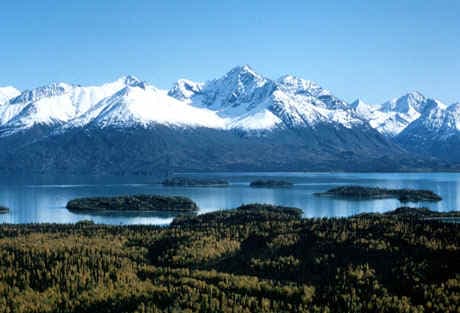
Lake Clark stretches 50 miles through the heart of Lake Clark National Park and Preserve, offering visitors a rare blend of turquoise glacial waters, jagged peaks, and active volcanoes. The lake sits at the meeting point of coastal and interior ecosystems, creating exceptional opportunities to view brown bears fishing for salmon, bald eagles soaring overhead, and caribou roaming the tundra.
What to See and Do
Wildlife Viewing and Fishing
Prime spots along the lake’s northern shore and tributary rivers draw anglers targeting sockeye and chinook salmon during seasonal runs. Kayakers and boaters can paddle quiet coves where otters play and moose wade in shallow bays.
Hiking and Photography
Trails near historic sites such as the Kijik village area lead through spruce forests and alpine meadows with sweeping views of the Chigmit Mountains. Photographers capture dramatic sunsets over the lake’s reflective surface and the smoking cone of nearby Redoubt Volcano.
Cultural Exploration
Interpretive programs highlight Dena’ina Athabascan history and early homesteaders who settled the region in the early 20th century.
Getting There
Most travelers fly into Anchorage then board a small bush plane or floatplane for the 150-mile journey westward. No roads reach the lake, so air or boat access keeps the area remote and lightly visited. Floatplane landings are possible directly on the lake near designated campgrounds and lodges.
Best Time to Visit
June through September offers the longest daylight, reliable wildlife sightings, and comfortable temperatures for outdoor activities. Early summer brings wildflowers and peak salmon runs, while September delivers fall colors and fewer insects. Winter visits require experienced guides and specialized gear for snowshoeing or dog sledding.
Nearby Destinations
- Redoubt Volcano offers dramatic aerial views during scenic flights.
- Tuxedni Bay provides tidewater glacier access and sea kayaking.
- Kenai Fjords National Park lies to the southeast for extended coastal exploration.