Why Lake Chad Remains Worth Visiting
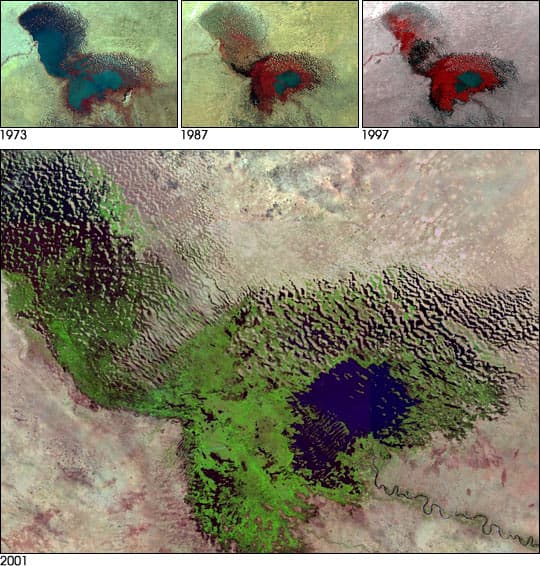
Lake Chad straddles the borders of Cameroon, Chad, Niger and Nigeria, but the Cameroonian section in the Far North region offers visitors a rare chance to witness one of Africa’s most important wetlands. Despite decades of shrinkage, the lake still supports fishing villages, seasonal pastures and vast flocks of migratory birds. The shallow, reed-fringed waters create an ever-changing landscape that feels far removed from more developed African destinations.
Getting There
Most travellers fly into Maroua in Cameroon’s Far North, then continue by sturdy 4×4 or local transport toward the lakeshore settlements such as Blangoua or Maltam. The final stretch often involves pirogues (traditional dugout canoes) arranged with village boatmen. Cross-border visitors sometimes approach from N’Djamena in Chad, crossing at the Logone River before heading west. Roads are unpaved and can become impassable after heavy rain, so allow extra time and travel with experienced local drivers.
Best Time to Visit
The cooler, drier months from November to March provide the most reliable access and pleasant temperatures for exploring. Water levels are lower, concentrating birds and making navigation easier. April to June brings intense heat and the start of rains that can flood tracks, while the peak rainy season from July to October turns much of the shoreline into marsh.
Things to See and Do
Early-morning boat trips reveal thousands of pelicans, cormorants and herons feeding in the shallows. Fishermen casting nets from narrow canoes offer glimpses of a livelihood unchanged for generations. On shore, visitors can walk through reed villages where women smoke fish and children play among cattle herds. Short hikes along the shoreline lead to seasonal grazing grounds used by Fulani herders. For those with more time, combining a lake visit with Waza National Park delivers classic Sahelian wildlife sightings including elephants and giraffes during the same trip.
Practical Considerations
Bring plenty of water, sun protection and a hat; shade is scarce. Insect repellent is essential near the water. Respect local customs by asking permission before photographing people and by hiring guides from the nearest village. Currency exchange and supplies are limited, so stock up in Maroua before heading north.