Why the Iskut River Draws Adventurers
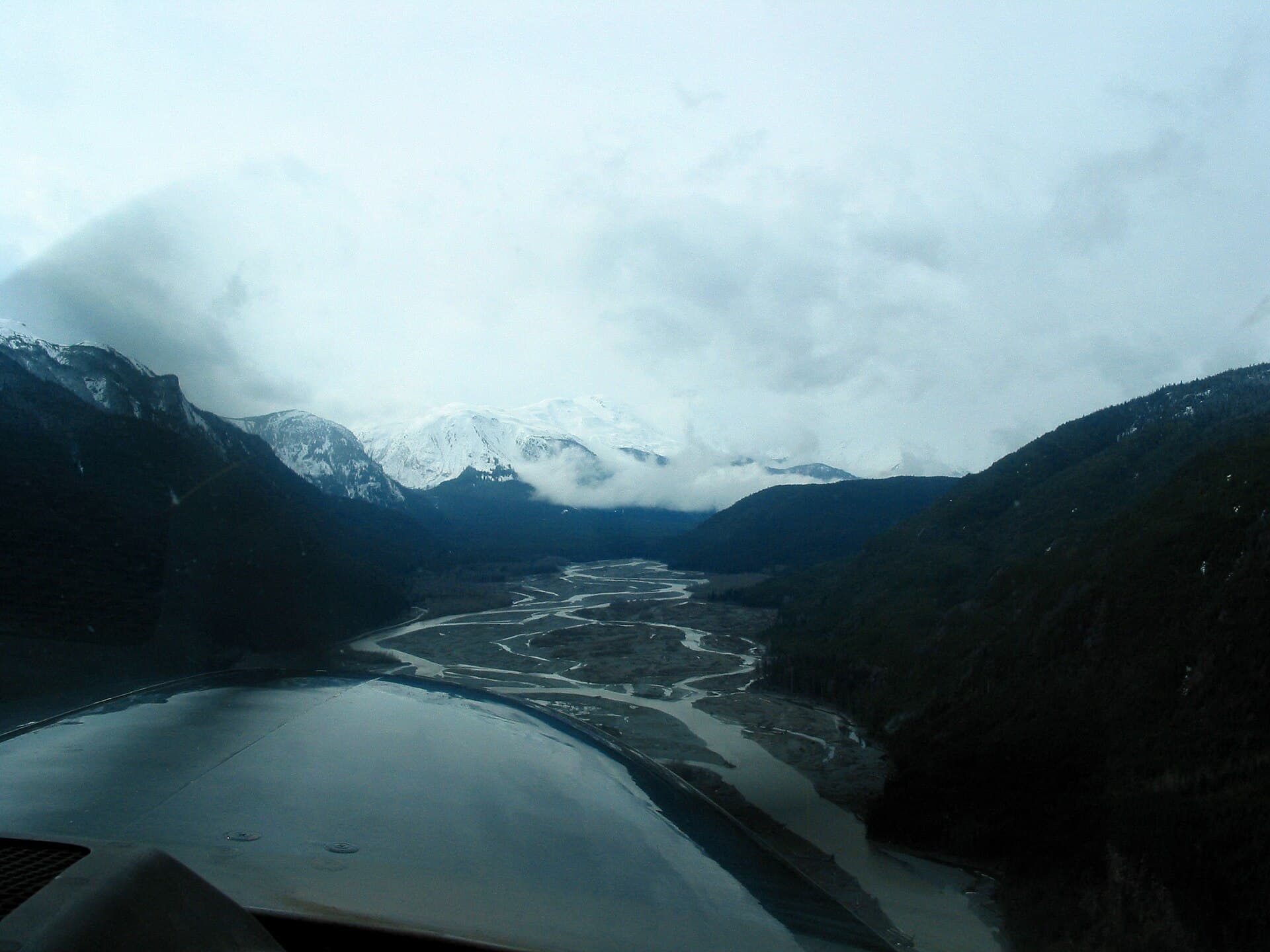
Flowing through the remote Cassiar region of northwestern British Columbia, the Iskut River offers visitors a genuine taste of untouched northern wilderness. As a major tributary of the Stikine River, it carves through volcanic landscapes and dense boreal forest, providing habitat for salmon, steelhead, bears, and eagles. Travelers seeking solitude and big-water experiences find the Iskut especially rewarding because commercial development remains minimal.
Activities on and Around the River
Anglers target chinook, sockeye, coho, and steelhead during seasonal runs, with drift-fishing and fly-fishing the most common methods. Whitewater enthusiasts launch rafts or kayaks on Class II–III sections, enjoying multi-day trips that end at the Stikine confluence. Wildlife viewing is excellent from riverbanks or short hikes; moose, grizzly bears, and mountain goats frequent the valley. Camping is permitted on gravel bars and established sites managed by the province, though visitors must practice Leave No Trace principles.
Access and Getting There
Most travelers reach the Iskut via Highway 37 (Stewart-Cassiar Highway), turning onto the Iskut River Forest Service Road near the community of Iskut. From there, high-clearance vehicles or jet boats are needed to reach put-ins and fishing holes. Float-plane charters from Smithers or Terrace provide access to upper reaches for those preferring to skip rough roads. No regular public transit serves the area, so self-sufficient travel or guided packages are standard.
Best Time to Visit
July through September offers the most reliable weather and peak fish runs, though early June can bring strong steelhead fishing before crowds arrive. Shoulder seasons bring fewer mosquitoes and more solitude, but cold nights and sudden rain require preparation. Winter travel is possible only by snowmobile or ski plane and is suited to experienced locals.
Nearby Destinations
Combine an Iskut trip with visits to Mount Edziza Provincial Park for volcanic hiking, the hot springs near Telegraph Creek, or the dramatic Grand Canyon of the Stikine. The Tahltan communities of Iskut and Telegraph Creek provide cultural context and limited supplies.