Why Iliamna Lake Stands Out
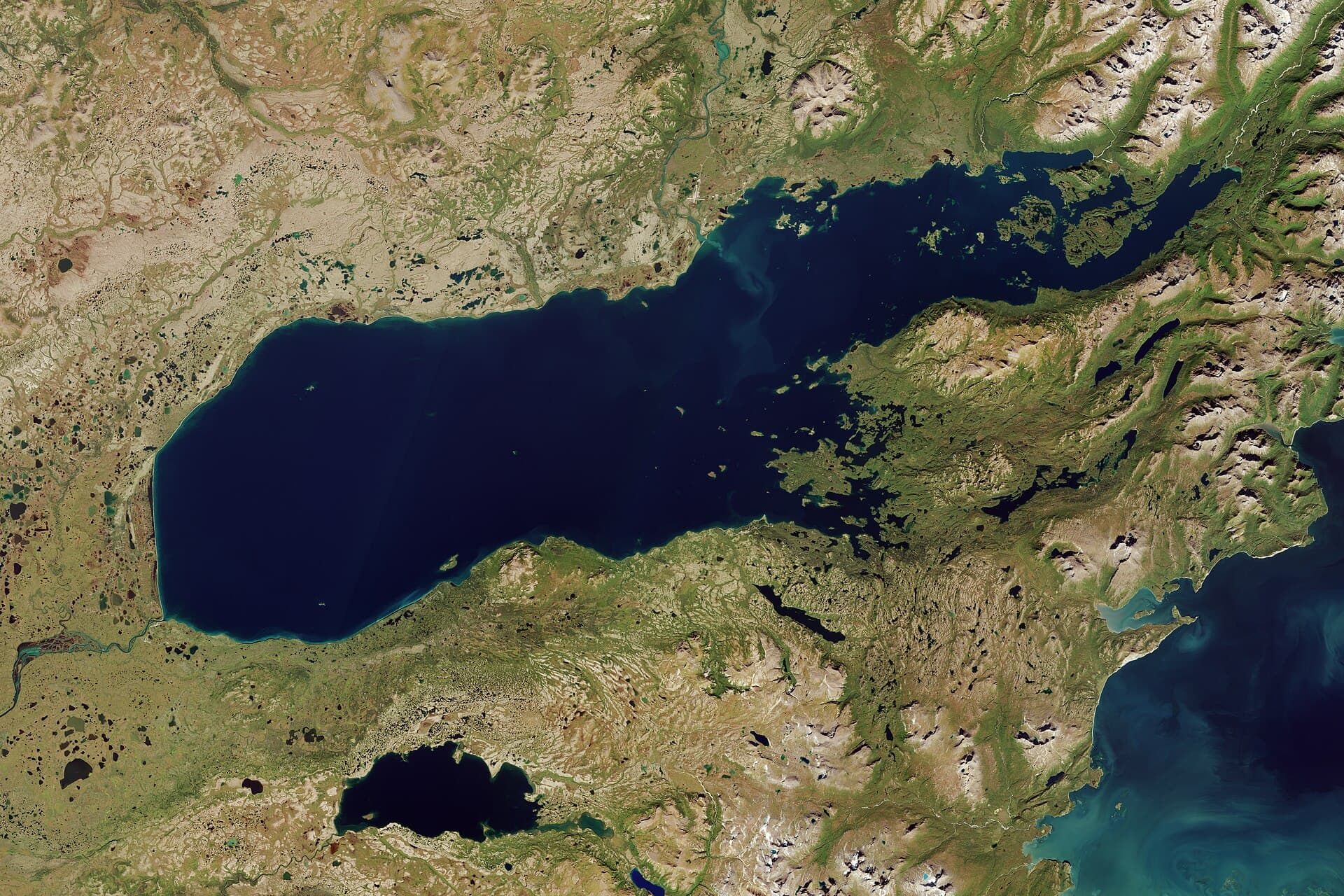
At roughly 1,000 square miles, Iliamna Lake is Alaska’s largest body of fresh water and sits within the Lake and Peninsula Borough. Its clear waters support one of the world’s largest sockeye salmon runs, drawing anglers and wildlife alike. The lake’s isolation preserves a sense of true wilderness while offering reliable access to fishing, bear viewing, and paddling.
Getting There
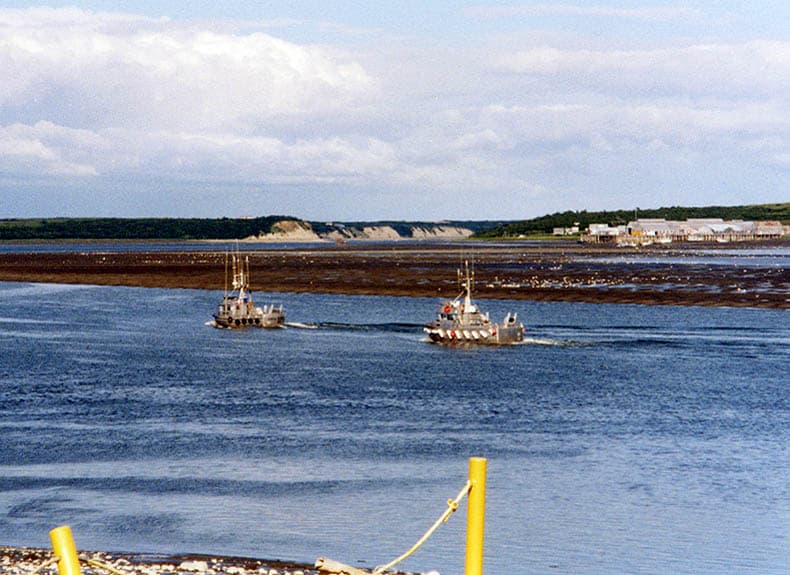
Most visitors reach the lake via floatplane from Anchorage or King Salmon, landing at the village of Iliamna or smaller lodges along the shore. Some travelers continue by boat from the village of Iliamna across the lake’s main body. Road access is limited; the nearest highway ends well short of the shoreline, making air or water travel the practical choice for most trips.
Things to Do
Fishing
The lake and its tributaries produce consistent sockeye, chinook, and rainbow trout action from June through September. Drift or cast from shore or boat in areas such as the Newhalen River mouth and the lake’s eastern bays. Catch-and-release is encouraged for rainbows to sustain the population.
Wildlife Viewing
Brown bears frequently patrol the lake’s many salmon streams, especially in late summer. Kayakers and photographers often spot bears from a safe distance along the northern and western shores. Moose, caribou, and bald eagles are common in the surrounding tundra and spruce forests.
Paddling and Hiking
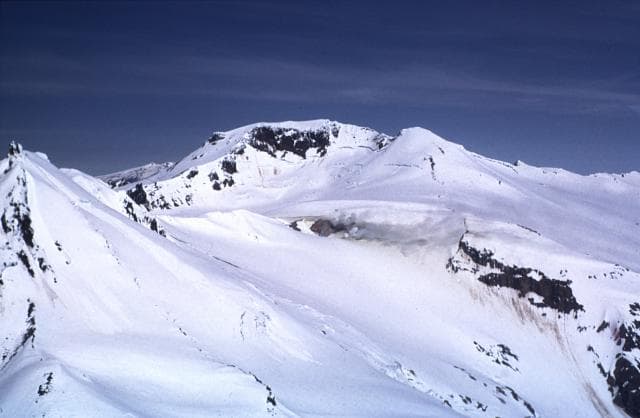
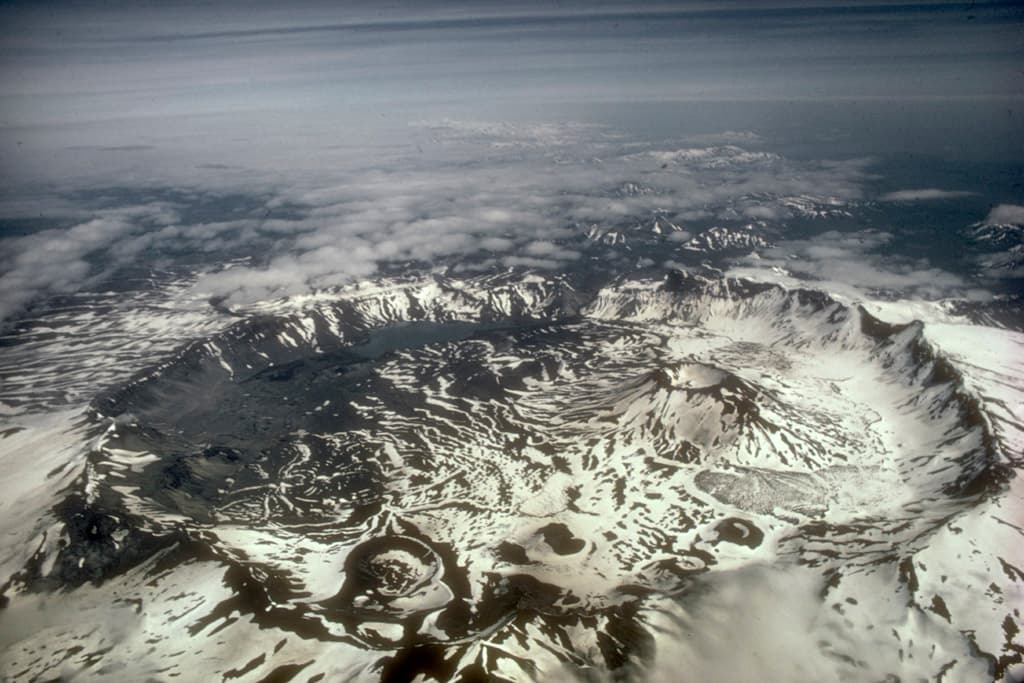
Calm mornings provide excellent conditions for kayaking or canoeing among the lake’s islands and coves. Short hikes from established camps lead to overlooks with views of the Chigmit Mountains and distant volcanoes.
Best Time to Visit
July and August offer the warmest weather, peak salmon runs, and longest daylight for extended outings. Early June and September provide fewer crowds and good fishing with cooler temperatures and possible northern lights displays.
Nearby Attractions
Katmai National Park lies just to the south, offering additional bear viewing at Brooks Falls. The Bristol Bay coast to the west provides saltwater fishing and tidewater glacier scenery. The Lake Clark National Park and Preserve to the northeast adds hiking and river rafting options for multi-day itineraries.