Why Hayes Volcano Stands Out
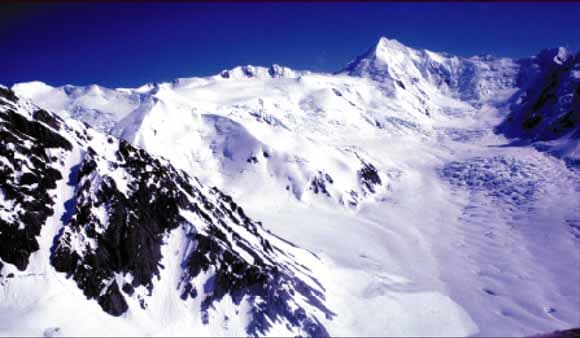
Hayes Volcano rises as a prominent stratovolcano within the Tordrillo Mountains of south-central Alaska. Its ice-covered slopes and rugged terrain offer a rare chance to experience untrammeled volcanic wilderness far from roads or crowds. The mountain’s isolation preserves dramatic glacial features and provides sweeping views across the Cook Inlet region, making it a destination for those seeking genuine solitude and challenge rather than developed trails.
Getting There
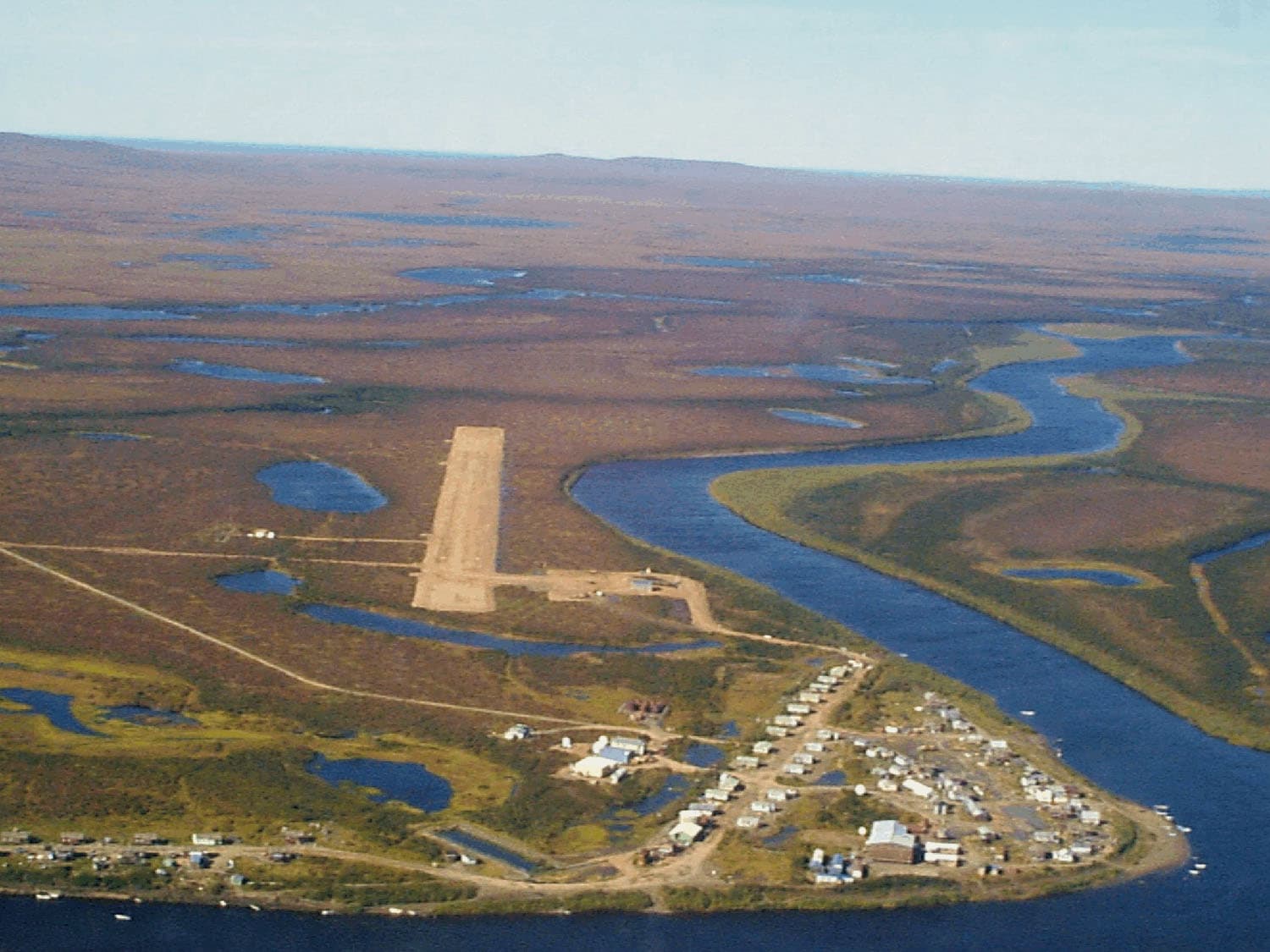
Access begins with a flight into Anchorage. From there, travelers arrange fixed-wing aircraft or helicopter charters to remote landing zones near the volcano’s base. No roads reach the area, so all visits rely on air transport followed by foot travel across glaciers or tundra. Floatplane options work for lakes in the vicinity when conditions allow.
Best Time to Visit
Late June through early September offers the most reliable weather windows for travel and activities. Snow lingers into summer on higher slopes, while autumn brings shorter days and early storms. Winter visits demand advanced mountaineering skills and specialized equipment due to extreme cold and avalanche risk.
What to See and Do
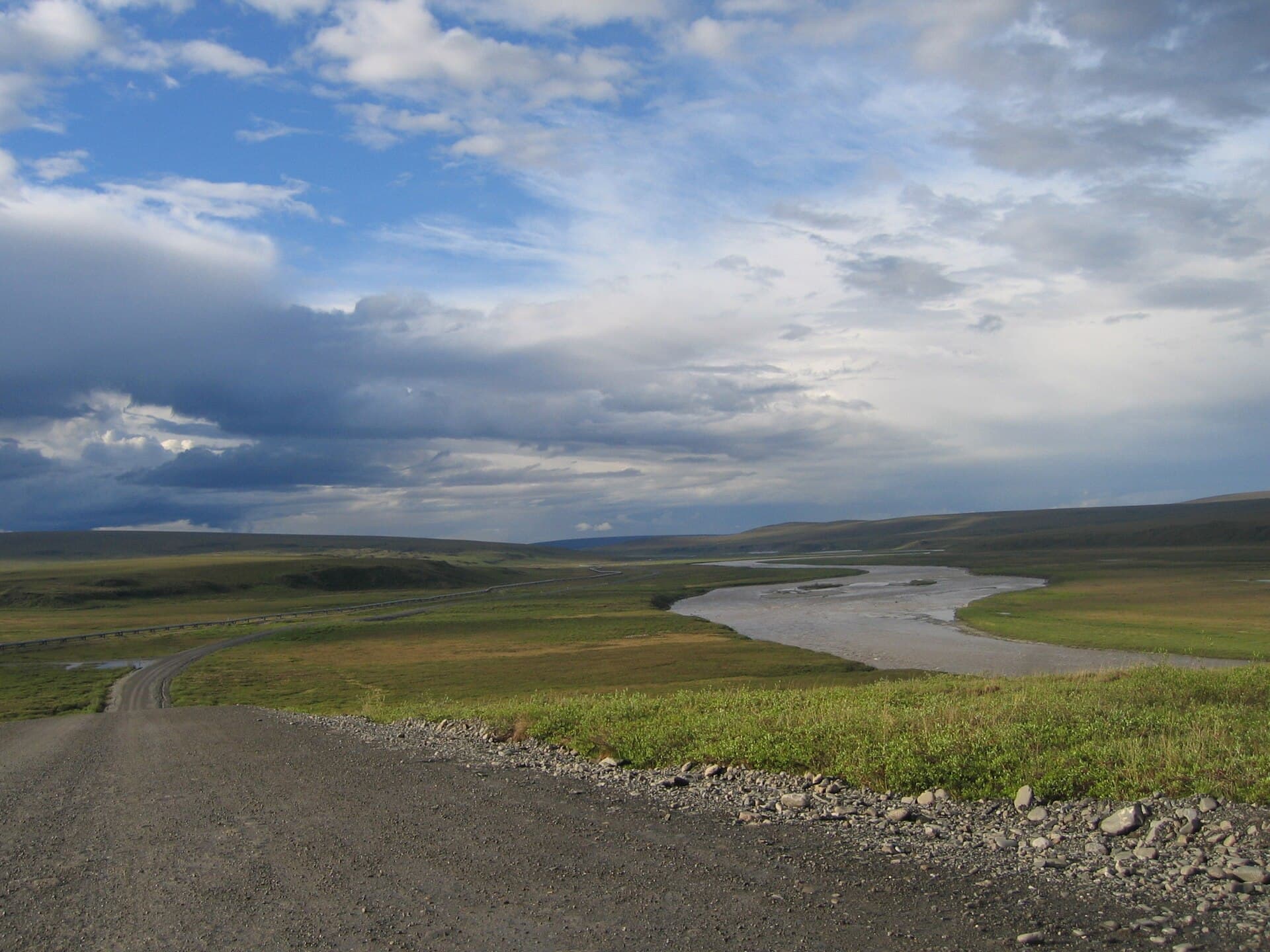
Experienced climbers tackle the volcano’s steep routes, which combine rock, ice, and snow travel. Glacier travel reveals crevasses and seracs, while lower elevations support multi-day backpacking across alpine meadows. Wildlife viewing includes brown bears, Dall sheep, and occasional wolves. Photographers capture the contrast between volcanic rock and persistent ice fields. All activities require strong navigation skills and self-sufficiency.
Nearby Destinations
The surrounding Tordrillo Mountains extend exploration opportunities with additional peaks and valleys. Lake Clark National Park lies to the west, offering river rafting and additional backcountry terrain. Coastal areas near Cook Inlet provide opportunities for marine wildlife observation when combined with air travel.