Why Hatia Island Stands Out
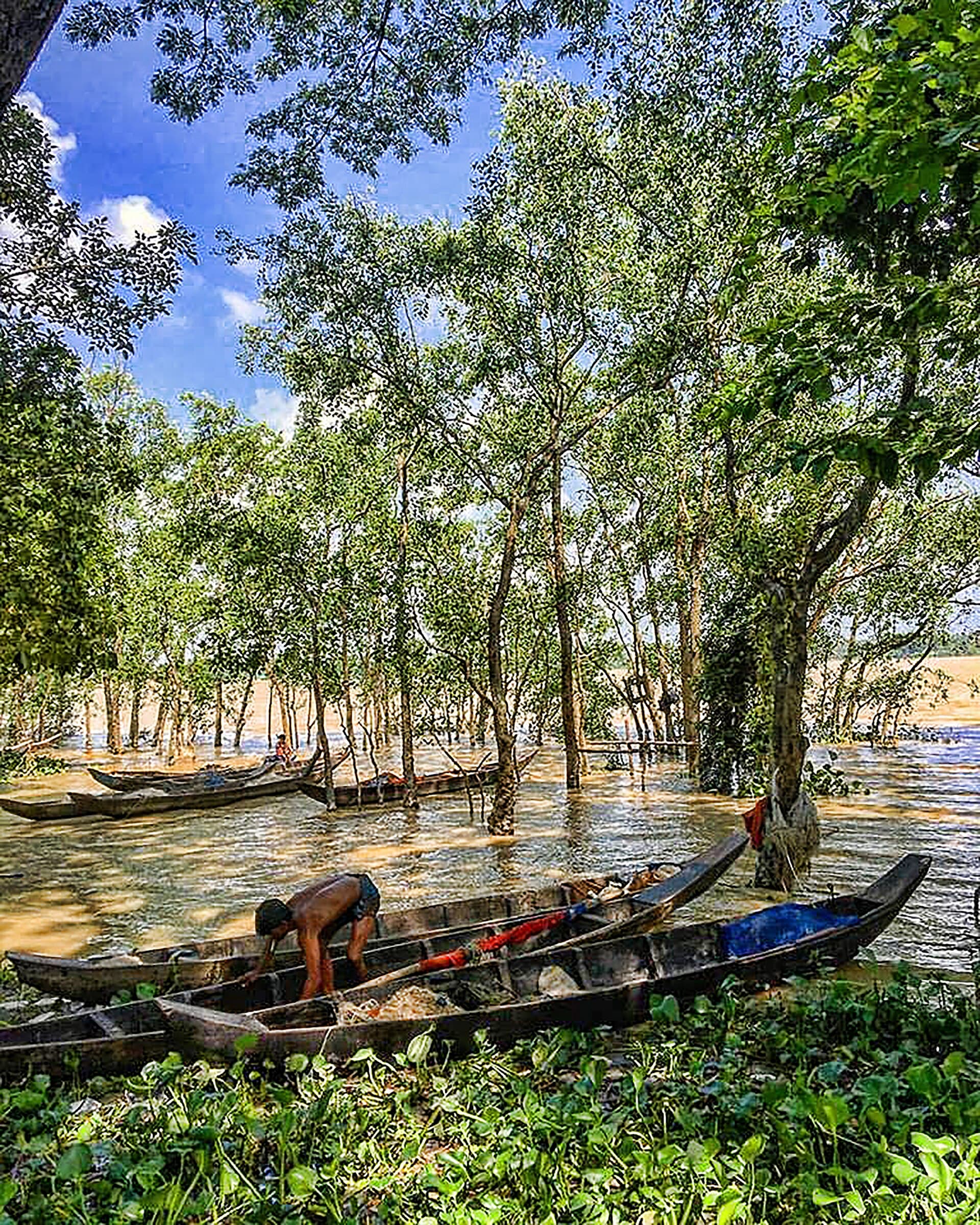
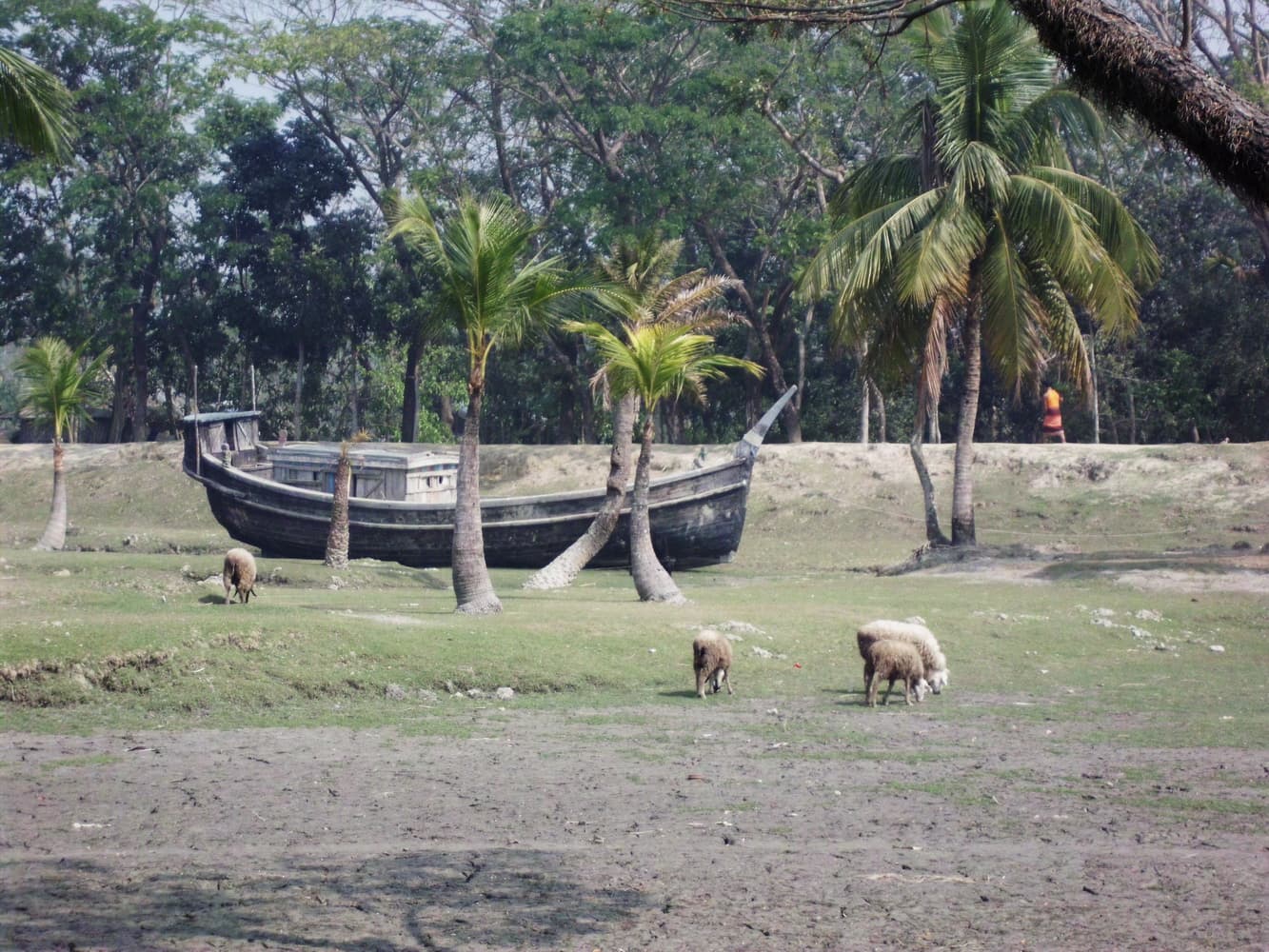
Positioned where the Meghna River meets the Bay of Bengal, Hatia Island remains one of Bangladesh’s least developed coastal destinations. Its wide tidal flats, scattered mangroves and simple fishing hamlets create a landscape shaped by daily tides rather than tourism infrastructure. Visitors come for the silence, the chance to watch shrimp boats at dawn and the easy boat access to nearby Nijhum Dwip.
Getting There
Most travellers reach Hatia from Chittagong (Chattogram) by road and ferry. A bus or private car travels south to the ferry ghat at Tomzuddinnagar or Hatiya Ghat; the crossing takes two to three hours depending on the tide. From Dhaka the journey is longer: an overnight bus to Chittagong followed by the same ferry, or a combination of launch and speedboat via Bhola. Once on the island, local auto-rickshaws and rented bicycles cover the main roads; chartering a small wooden boat is the best way to explore the southern beaches and mangrove channels.
Best Time to Visit
November through February brings cooler, drier weather and calmer seas, ideal for beach walks and boat trips. March and April can still be pleasant but grow hotter; the monsoon from June to September brings heavy rain and rougher ferry crossings, though the island’s greenery is at its densest then.
Things to See and Do
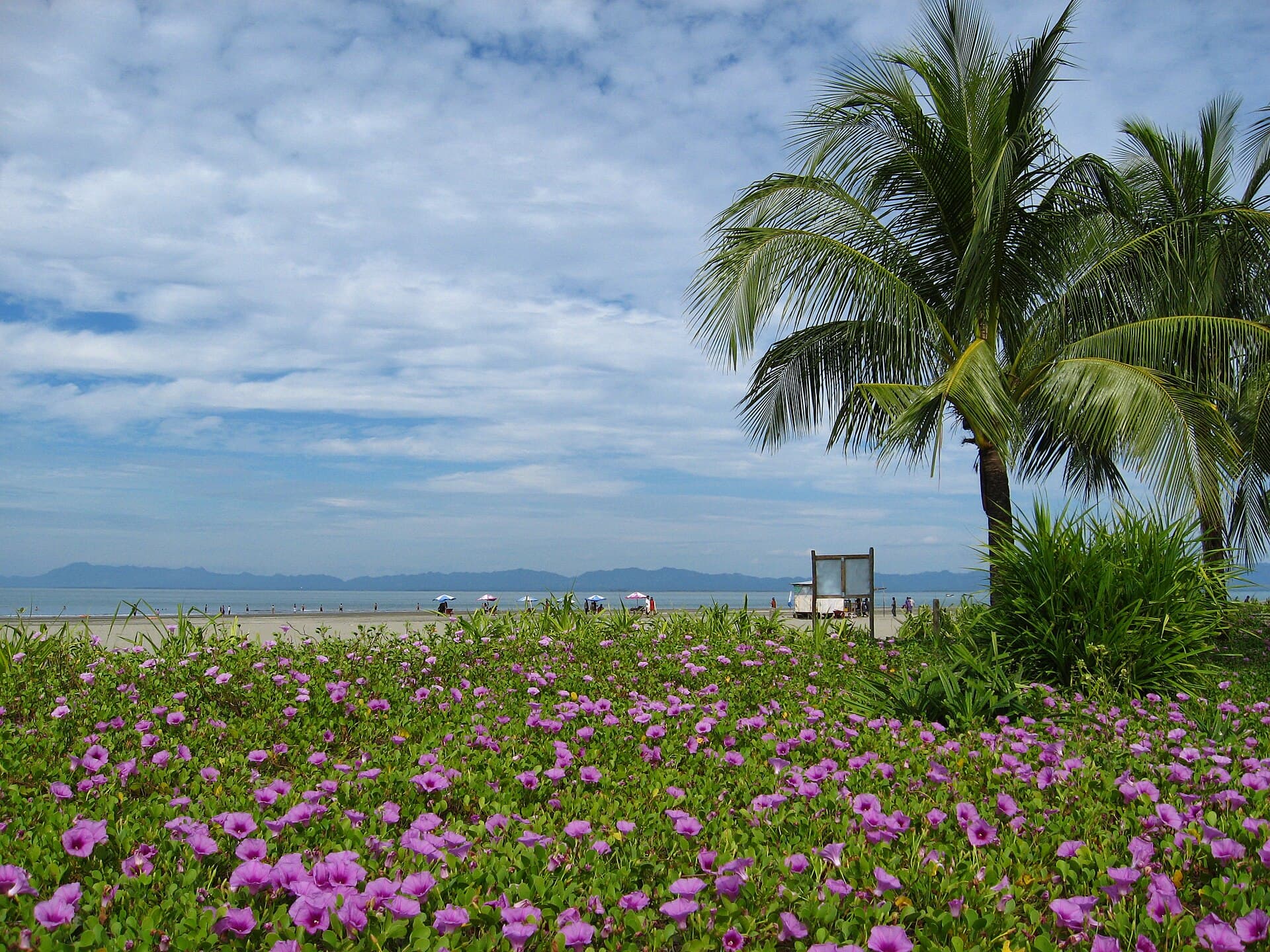
The island’s main draw is its long, empty shoreline facing the Bay of Bengal. At low tide the sand stretches for kilometres, perfect for walking or cycling. Inland, narrow creeks wind through mangrove patches where egrets and kingfishers feed. A short boat ride south reaches Nijhum Dwip National Park, home to spotted deer and large flocks of migratory birds in winter. In the fishing villages of Hatia Sadar and neighbouring chars, visitors can observe traditional net-mending and shrimp drying on bamboo platforms. The island’s central lighthouse offers panoramic views across the estuary at sunset.
Food and Lodging
Simple guesthouses and a few basic hotels cluster near the ferry landing. Fresh seafood—hilsha, prawns and crab—is cooked to order in roadside eateries. Expect limited electricity in the evenings; many places rely on generators or solar. Stock up on bottled water and snacks before heading to more remote southern beaches.
Staying Responsible
- Carry out all plastic waste; waste collection on the island is minimal.
- Hire local boatmen rather than larger tour operators to keep income within the community.
- Ask permission before photographing people or entering private fishing areas.