
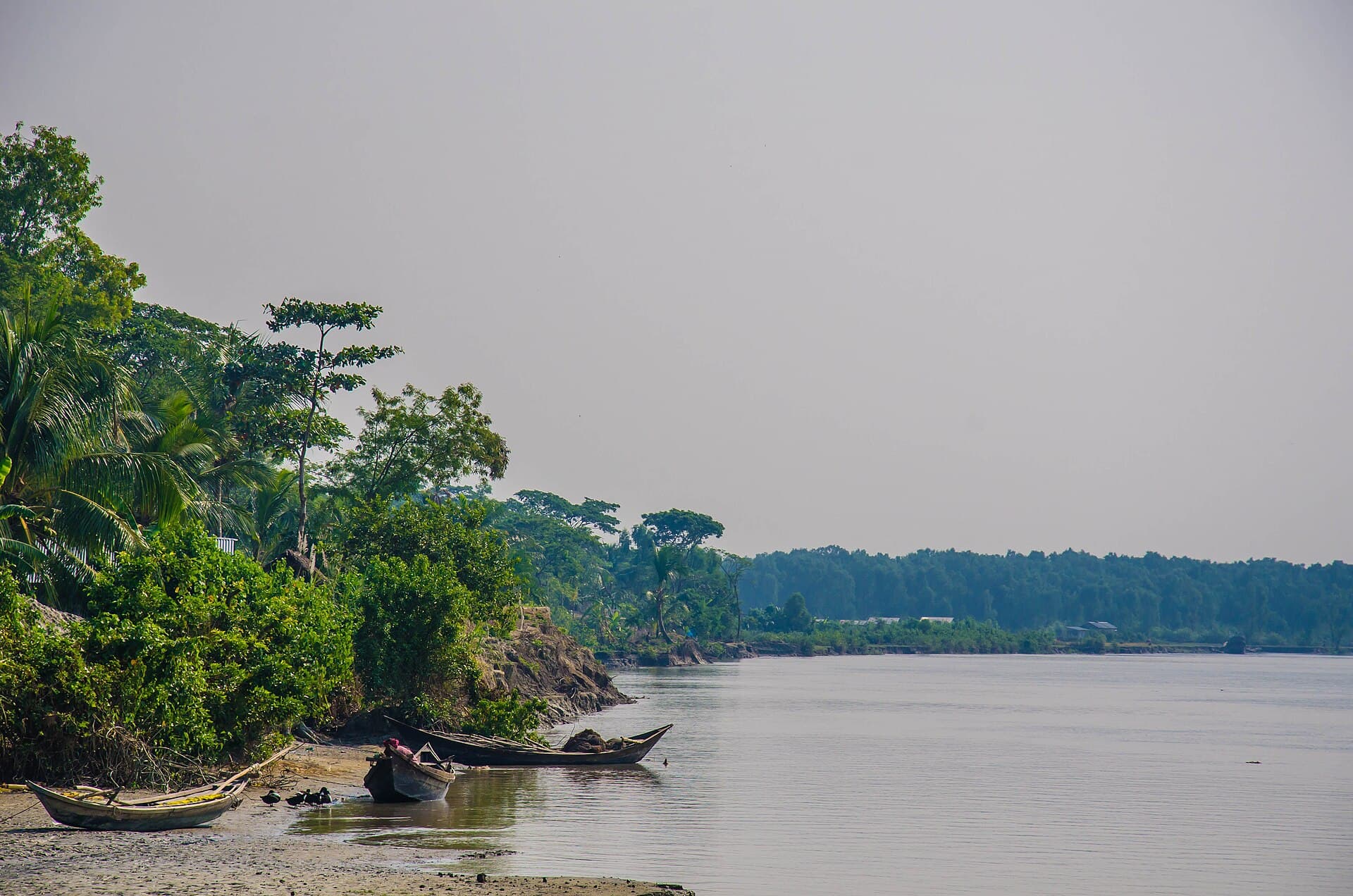
Nijhum Dwip: Bangladesh’s Quiet Island of Deer, Mangroves and Empty Shores
A low-key national park island in Noakhali District where forest trails, tidal beaches and wildlife sightings reward travelers who value solitude over crowds.
Why Nijhum Dwip Rewards a Visit
Nijhum Dwip sits in the Bay of Bengal off the Noakhali coast, a compact island of mangrove forest, tidal creeks and long sandy beaches that remains largely undeveloped. Its name, meaning “quiet island,” fits the atmosphere: visitors often share the shoreline only with spotted deer, wintering waterbirds and the occasional fishing boat. The island forms part of Nijhum Dwip National Park, protecting a mix of planted mangrove and natural tidal forest that shelters both resident wildlife and seasonal migrants.
Getting There
Most travelers start from Dhaka or Chittagong and reach the Noakhali mainland town of Hatia by bus or launch. From Hatia, local motor launches and wooden boats run to Nijhum Dwip’s small jetty; the crossing takes roughly two to three hours depending on tide and weather. Movement on the island itself is by foot, rented bicycle or arranged boat along the coast. No bridges connect it to the mainland, so all supplies and visitors arrive by water.
Best Time to Visit
The dry season from November to February offers the most comfortable conditions for walking and wildlife viewing. Skies are clear, tides are predictable, and migratory birds concentrate along the mudflats. Monsoon months bring heavy rain, rough seas and limited boat service, while the pre-monsoon period can be hot and humid. Plan at least one full day on the island to allow time for both forest and beach exploration.
Things to See and Do
- Walk the network of sandy trails through the mangrove forest where spotted deer often graze at dawn and dusk.
- Follow the western beach at low tide to watch shorebirds probe the sand and, with luck, spot dolphins offshore.
- Visit the small lighthouse area for panoramic views across the delta and the scattered fishing hamlets that line the eastern shore.
- Join a short boat trip through the tidal creeks to observe the mangrove ecosystem up close.
Nearby Options
Many visitors combine the island with a stop in mainland Noakhali or the larger island of Hatia, where additional boat services and basic markets are available. The broader Meghna estuary offers further opportunities for multi-day boat journeys toward other coastal chars.
Visitor tips
- Bring sufficient cash; no ATMs operate on the island and mobile networks can be unreliable.
- Carry drinking water, snacks and a basic first-aid kit, as shops and medical facilities are minimal.
- Check launch schedules the day before travel and allow extra time for tidal delays or weather changes.
Frequently asked questions
How do I reach Nijhum Dwip from Dhaka?
Take a bus or train to Noakhali or Sonaimuri, continue by local transport to Hatia, then board a launch or wooden boat to the islandu2019s jetty; total travel time is usually 8u201310 hours.
Is there accommodation on Nijhum Dwip?
Basic forest rest houses and a few simple guesthouses exist near the jetty; most visitors stay one or two nights and bring their own bedding or mosquito nets.
What wildlife can I expect to see?
Spotted deer are common in the forest, while winter months bring large numbers of migratory waterbirds; dolphins occasionally appear offshore.
Are there restaurants or shops on the island?
Only a handful of small tea stalls and basic grocery shops operate near the jetty; plan to carry most food and supplies from the mainland.
Do I need a permit to visit?
No special permit is required for day visits, though national-park rules prohibit disturbing wildlife or removing plants and shells.