Skip to content
Plan & Tour
DestinationsItinerariesTravel BlogAboutContact
0Sign inPlan a trip
Plan & TourPlan & Tour

Travel guides, destination inspiration and curated itineraries for Canada, the USA and beyond, plus a free tool to plan your own day-by-day trip.

Get travel inspiration

Explore

  • All Destinations
  • Curated Itineraries
  • Travel Blog
  • Plan a Trip

Topics

  • Hiking & Nature
  • Food & Drink
  • City Breaks
  • Budget Travel

Company

  • About Us
  • Contact
  • Privacy Policy
  • Terms of Service

© 2026 Plan & Tour. Built for travellers.

Discover the world, one trip at a time.

Eve Cone: Hiking to a Pristine Cinder Cone in Remote British Columbia
  1. Home
  2. Destinations
  3. British Columbia
  4. Eve Cone: Hiking to a Pristine Cinder Cone in Remote British Columbia
Mountain

Eve Cone: Hiking to a Pristine Cinder Cone in Remote British Columbia

Explore the symmetrical volcanic form of Eve Cone amid the dramatic lava fields and alpine terrain of Mount Edziza Provincial Park.

British ColumbiaUpdated 31 July 2026

Why Visit Eve Cone

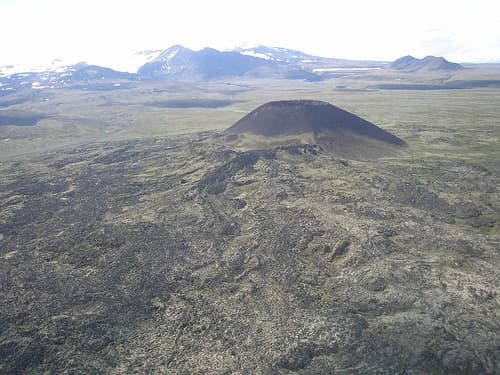
Eve Cone stands out as one of the most perfectly preserved cinder cones in Canada, rising about 150 metres above the surrounding lava plateau in northern British Columbia. Its steep, symmetrical slopes and dark volcanic rubble offer a striking contrast to the surrounding subalpine meadows and distant ice-capped peaks of the Tahltan Highland. The cone formed during relatively recent volcanic activity within the Mount Edziza complex, creating a textbook example of monogenetic volcanism that draws geologists and hikers seeking an authentic wilderness experience far from developed trails.

Getting There

Reaching Eve Cone requires careful planning due to its location within Mount Edziza Provincial Park. Most visitors begin from the community of Telegraph Creek or the Cassiar Highway (Highway 37), then arrange float-plane access to nearby lakes such as Buckley Lake or use multi-day backpacking routes through the park’s volcanic landscape. No maintained roads lead directly to the cone, so expect a combination of bush plane, boat, or foot travel across lava flows and tundra. Permits for backcountry camping are typically required and can be obtained through BC Parks channels in advance.

What to See and Do

Once at the cone, hikers can circumnavigate its base on rough game trails and scramble partway up the loose cinder slopes for panoramic views of the surrounding lava fields and the broader Edziza volcanic plateau. The dark red and black scoria creates a stark foreground against the green and white alpine scenery. Photographers particularly value the cone’s near-perfect shape at sunrise or sunset when low light accentuates its form. Wildlife sightings may include caribou, grizzly bears, and marmots in the adjacent meadows.

Best Time to Visit

The optimal window runs from mid-July through early September when snow has cleared from the high plateau and daytime temperatures allow comfortable hiking. Earlier in the season, lingering snow patches and swollen streams complicate travel, while by late September early frosts and shorter days return. Summer also brings long daylight hours essential for remote backcountry travel.

Nearby Attractions

Within the same park, visitors often combine a trip to Eve Cone with exploration of nearby Williams Cone, the Ice Peak massif, or the extensive lava flows around the Spectrum Range. The historic settlement of Telegraph Creek offers a base with hot springs and river access, while the broader region connects to the Stikine River corridor for multi-week wilderness trips.

Visitor tips

  • Carry all water and food supplies; no services exist near Eve Cone and natural water sources can be unreliable on the lava plateau.
  • Pack layers for rapid weather changes and strong winds common at this elevation even in summer.
  • Travel with a satellite communicator or personal locator beacon, as cell coverage is nonexistent and rescue response times are long.

Frequently asked questions

How difficult is the hike to Eve Cone?+

The approach involves remote backcountry travel across uneven lava and tundra with no maintained trails, making it suitable only for experienced, self-sufficient hikers.

Do I need a guide to visit Eve Cone?+

A guide is not mandatory but strongly recommended for first-time visitors due to the complex logistics of park access and navigation across volcanic terrain.

Can I camp at Eve Cone?+

Backcountry camping is permitted within the park subject to BC Parks regulations; choose durable surfaces away from the cone itself to protect the fragile volcanic features.

What wildlife might I encounter near Eve Cone?+

Grizzly bears, caribou, wolves, and marmots frequent the surrounding meadows and lava fields; always practice proper bear-aware camping techniques.

Is Eve Cone suitable for families or beginners?+

No, the remote access, lack of facilities, and rugged terrain make it appropriate only for seasoned wilderness travelers.

Share
Google Maps Apple Maps Directions

Image: nass5518 · CC BY 2.0 · via Wikimedia Commons

Keep reading

Nearby & related

All stories
Vedder River: Salmon Fishing, Paddling and Riverside Trails in British Columbia
British Columbia

Vedder River: Salmon Fishing, Paddling and Riverside Trails in British Columbia

A clear, productive river in the Fraser Valley offering consistent chinook and coho runs, easy paddling and quiet hiking…

1 August 2026
E
British Columbia

Englishman River: Waterfalls, Forests and Salmon Runs on Vancouver Island

Hike to dramatic waterfalls, swim in clear pools, and watch salmon spawn along this Vancouver Island river.

1 August 2026
B
British Columbia

Bella Coola River: Wilderness Fishing and Grizzly Viewing in British Columbia’s Great Bear Rainforest

This remote river in the Bella Coola Valley offers world-class steelhead and salmon fishing, abundant wildlife, and…

1 August 2026