Discovering the El Beid River
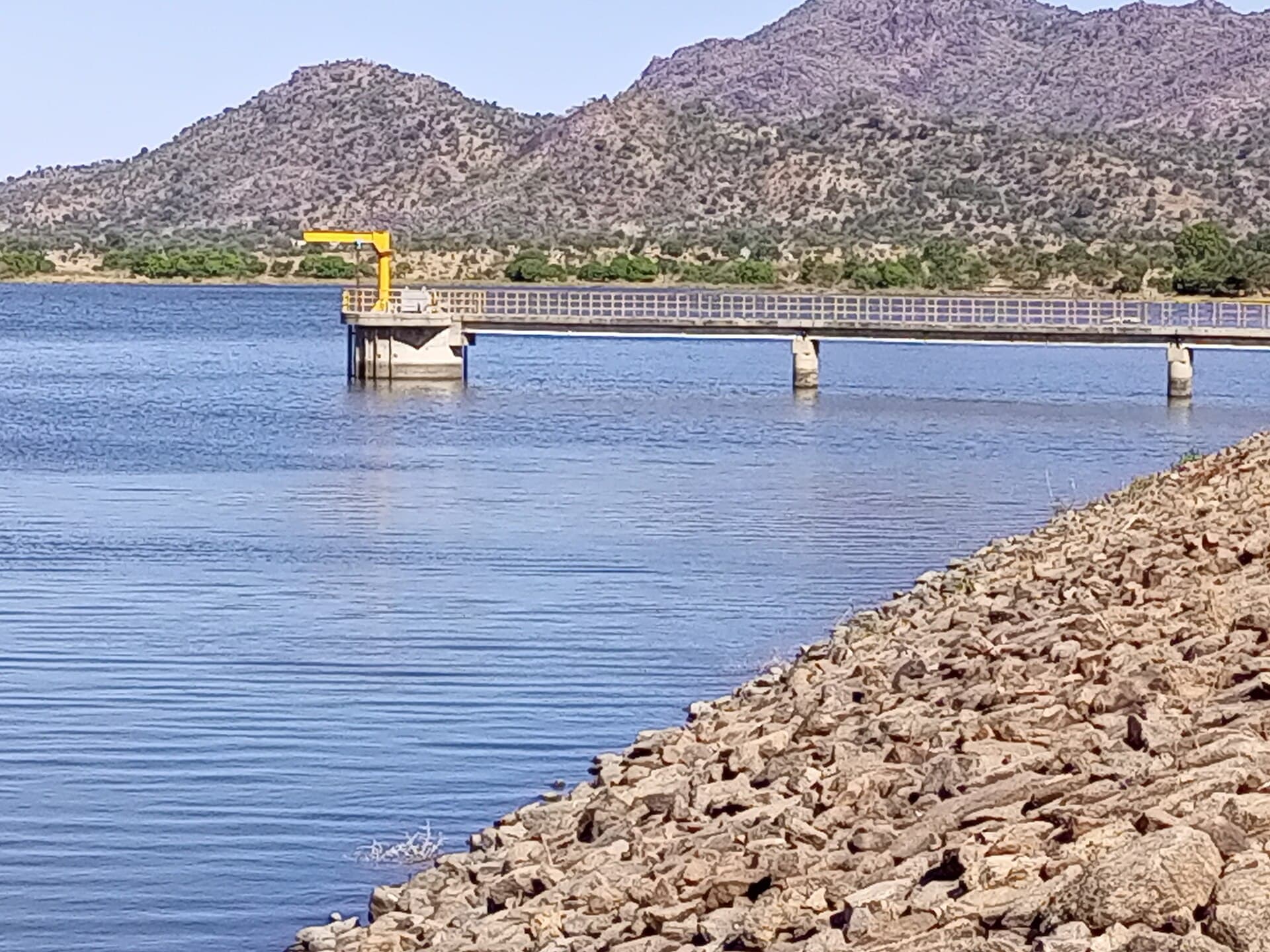
The El Beid River flows through the Far North region of Cameroon, forming part of the broader Lake Chad basin ecosystem. This seasonal waterway supports sparse vegetation and wildlife adapted to the Sahel climate, providing a stark contrast to the surrounding savanna and providing opportunities for quiet observation of local flora and fauna.
What to See and Do
Travelers can observe traditional fishing practices along the riverbanks during periods of higher water. Birdwatching is rewarding here, with species that migrate through the basin. Short walks along accessible stretches reveal the river’s role in local agriculture and herding. The flat terrain suits photography of dramatic sunsets over the water.
Practical Activities
- Explore the river’s course on foot or by local transport during the dry months when banks are firmer.
- Learn about the river’s connection to Lake Chad from community members who rely on its seasonal flow.
- Combine a visit with wildlife viewing in nearby protected areas that share the same ecological zone.
How to Get There
The river lies near the town of Kousseri and is reachable by road from Maroua, the regional capital. Visitors typically fly into Maroua or cross from N’Djamena in Chad, then continue by four-wheel-drive vehicle or local bus. Roads can become impassable after heavy rains, so plan accordingly.
Best Time to Visit
The optimal period runs from November through April when rainfall is minimal, temperatures are more manageable, and the riverbanks are easier to access. The wet season from May to October brings flooding that can isolate sections of the river and increase mosquito activity.
Nearby Attractions
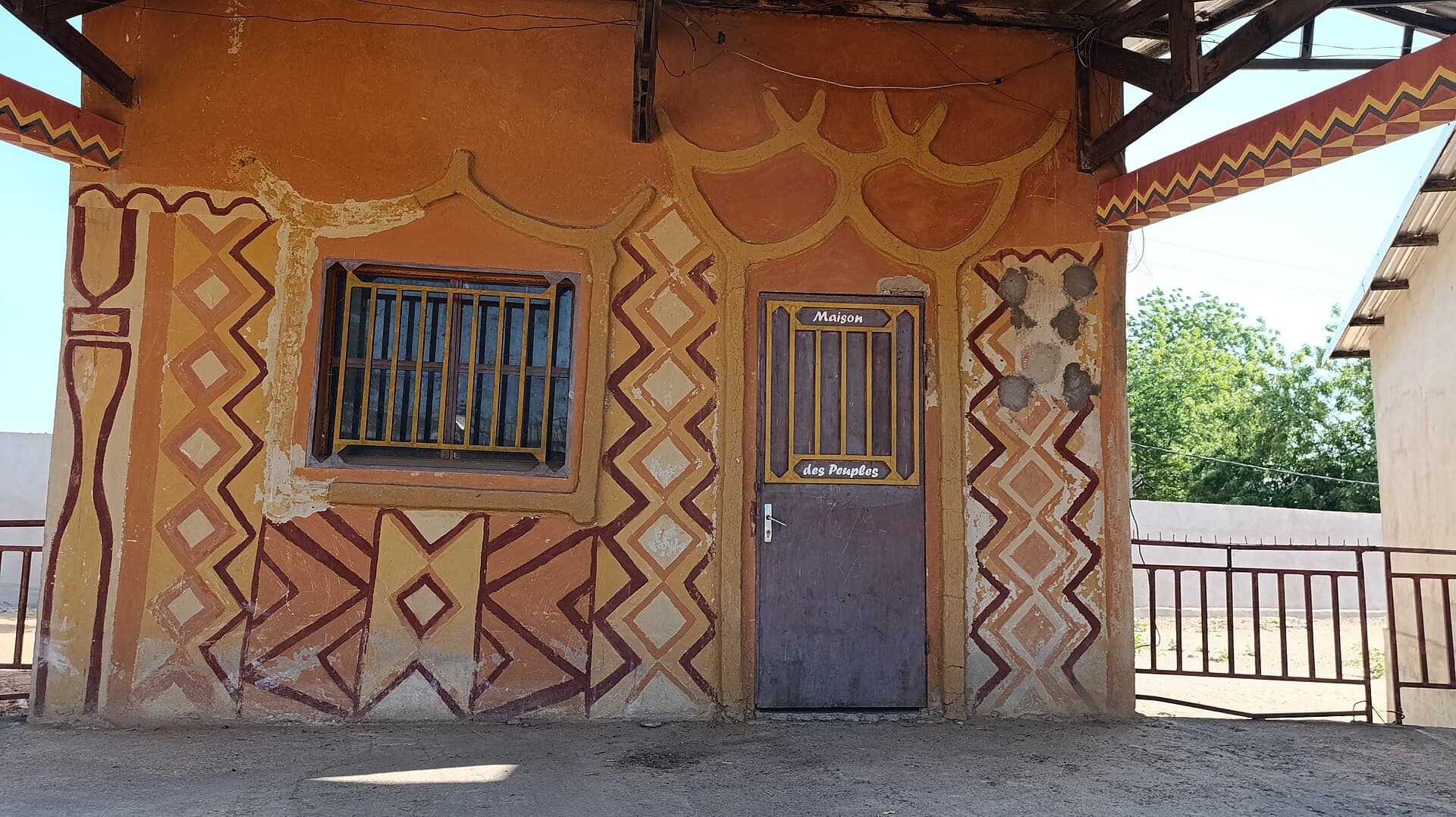
The El Beid sits within reach of Waza National Park, known for its populations of elephants and antelopes. The broader Far North region also features traditional villages and markets that showcase local crafts and cuisine. Travelers often extend trips to the shores of Lake Chad for a wider view of the basin’s hydrology.