Why Visit Douvar Reservoir
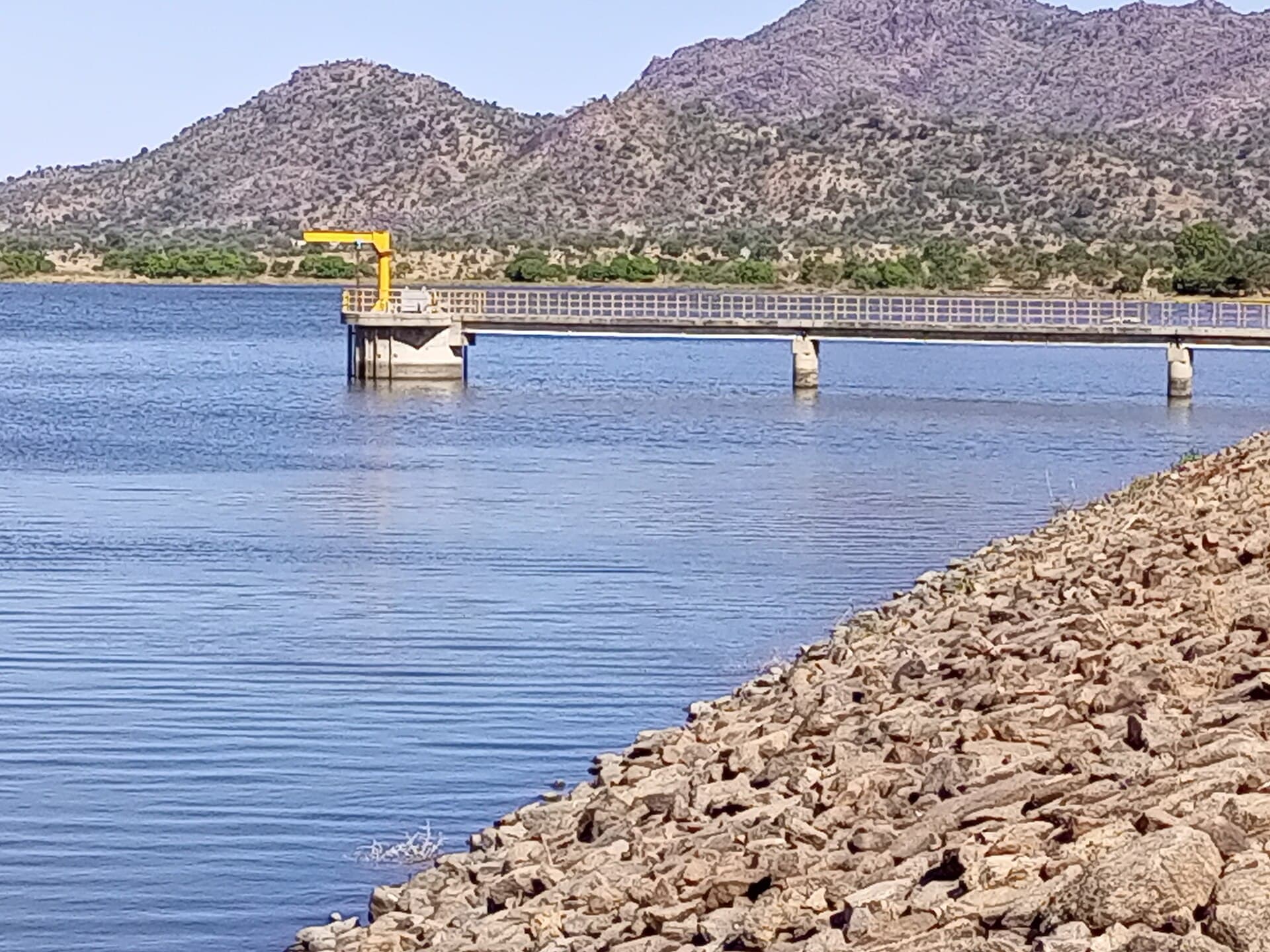
Far from the better-known national parks of northern Cameroon, Douvar Reservoir sits as a calm expanse of water amid the dry savanna and scattered villages of the Far North. The reservoir was created to support local irrigation and livestock, yet it has become a peaceful stop for travelers seeking open skies and unhurried days. Its position near the borderlands gives it a frontier feel, with wide horizons and minimal infrastructure that appeal to those who enjoy self-guided exploration.
How to Get There
Most visitors reach Douvar Reservoir by road from Maroua, the regional capital. The journey follows paved then graded tracks that cross flat plains dotted with acacia and baobab. Public transport in the form of minibuses or shared taxis can take travelers as far as nearby villages; from there, a motorcycle taxi or private vehicle is usually required for the final stretch. Those driving should carry extra fuel and water, as services thin out quickly beyond the main towns.
What to See and Do
The reservoir’s main attraction is its reflective surface framed by low hills. Early morning and late afternoon light create excellent conditions for photography, especially when cattle or goats come to drink at the shore. Birdwatchers can scan for resident and migratory species that use the water as a stopover in the dry season. Local fishermen work from simple wooden boats or from the banks; watching or joining a short trip offers insight into daily life around the lake. Short walks along the shoreline reveal changing views of the surrounding countryside and occasional stands of reeds that shelter smaller wildlife.
Practical Activities
- Bring binoculars for distant wildlife and village scenes.
- Arrange a village visit through a local contact to learn about irrigation farming that depends on the reservoir.
- Pack a simple picnic, as there are no cafés or shops at the water’s edge.
Best Time to Visit
The coolest and driest months, from November to February, offer the most comfortable temperatures and clearest roads. During the rainy season the landscape turns greener, but tracks can become difficult and mosquitoes increase. Avoid the peak heat of March to May if possible, when shade is scarce and midday temperatures rise sharply.
Nearby Attractions
Travelers often combine a visit to Douvar Reservoir with Waza National Park to the west, known for its large mammals, or with the Mandara Mountains that rise further north. Markets in Maroua and Mokolo provide opportunities to purchase local crafts and provisions before heading into the countryside. The reservoir itself remains the quiet highlight for those who value solitude over crowded viewpoints.