
Keep reading
Nearby & related
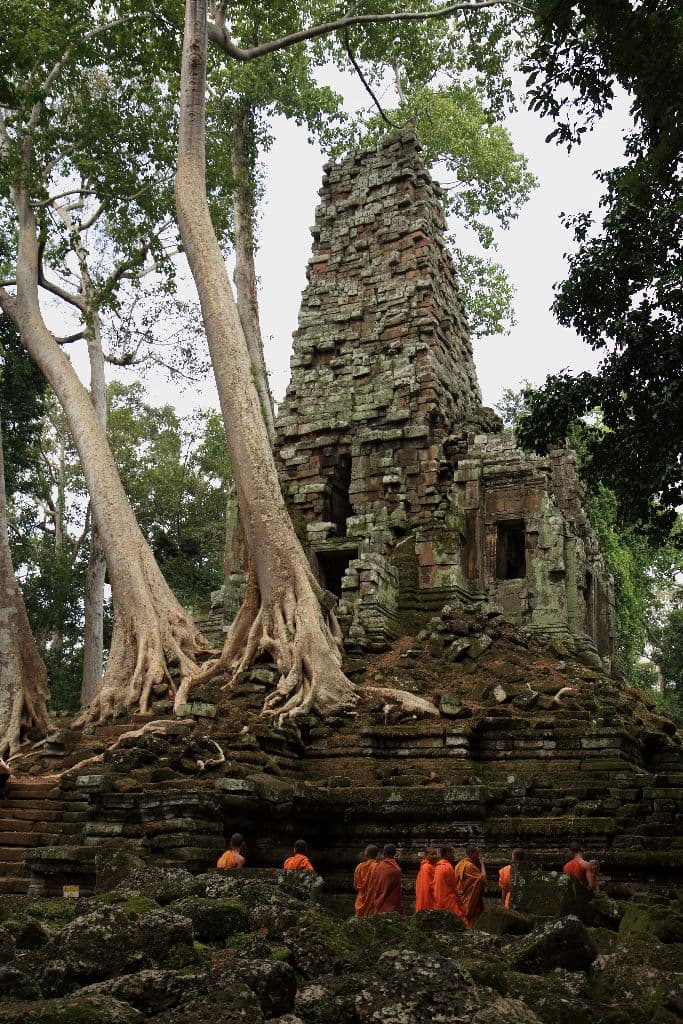
Preah Palilay: A Quiet Buddhist Sanctuary Amid the Angkor Ruins
Discover the distinctive late-12th-century temple with its soaring tower and serene atmosphere inside Siem Reap’s Angkor…
19 October 2026
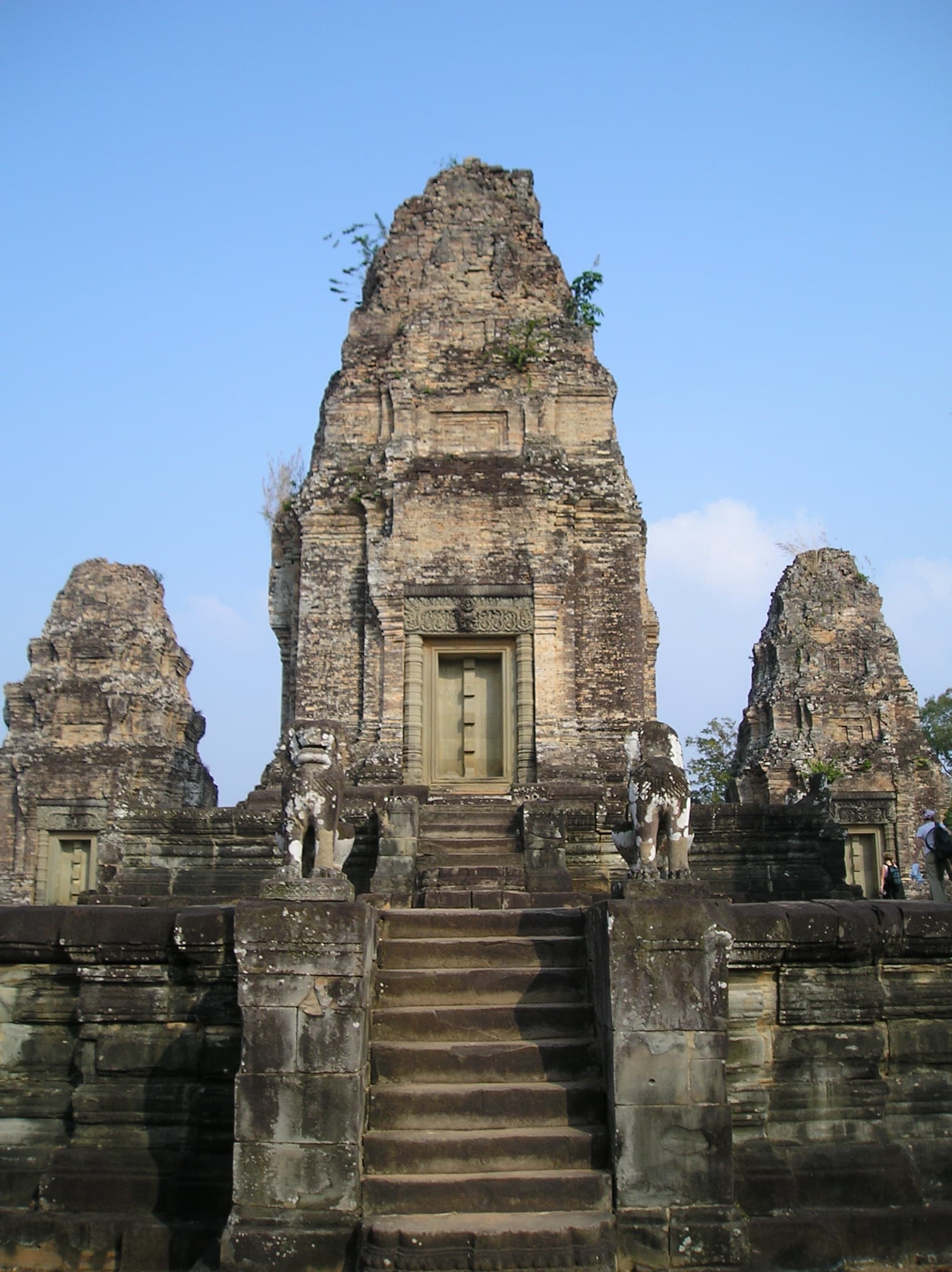
Visit the atmospheric East Mebon temple in Angkor, built on an artificial island and famed for its monumental elephant guardians and quiet grandeur.
East Mebon occupies a distinctive place among Angkor’s monuments. Constructed in the mid-10th century by King Rajendravarman II on an artificial island in the middle of the vast East Baray reservoir, the temple was designed to be reached by boat during the wet season. Today the reservoir has dried, yet the temple’s elevated platform and surrounding moat still evoke its original island setting. Its five brick-and-laterite towers, carved lintels, and life-size stone elephants at the corners create a sense of symmetry and power that feels more intimate than the larger, busier sites nearby.
Begin at the eastern entrance and climb the broad laterite steps to the first terrace. Four monumental elephants face outward from the corners, their trunks and tusks still remarkably intact. Continue inward past guardian lions and naga balustrades to the central platform, where the five sanctuary towers stand in a quincunx pattern. The central tower once housed a linga; its doorways feature finely carved reliefs of Vishnu and Shiva. Walk the perimeter for views across the flat plain that was once the East Baray, and look for smaller shrines and inscriptions on the inner walls. The site rewards slow exploration rather than a quick circuit.
East Mebon lies roughly 2 km east of the main Angkor Wat entrance. Most visitors arrive by tuk-tuk, rented bicycle, or organized tour as part of a larger Angkor circuit. The temple is included with the standard Angkor Archaeological Park ticket; no separate fee applies. A dedicated parking area sits just outside the eastern causeway, and shaded paths lead directly to the monument.
The dry season from November through February offers cooler mornings and clearer skies. Arrive at opening or in the late afternoon when temperatures drop and soft light highlights the brick carvings. The site receives far fewer visitors than Angkor Wat or Bayon, so even midday visits can feel peaceful. During the rainy season the surrounding fields may flood, adding atmosphere but requiring sturdy footwear.
East Mebon pairs naturally with Pre Rup, located 1 km to the south, and the quiet East Baray viewpoints. Further east, the 12th-century Ta Som and the massive Preah Khan provide contrast in scale and era. A half-day circuit covering East Mebon, Pre Rup, and Banteay Srei offers a balanced mix of 10th- and 12th-century architecture without the heaviest crowds.
Keep reading
Discover the distinctive late-12th-century temple with its soaring tower and serene atmosphere inside Siem Reap’s Angkor…
Yes, the temple is covered by the standard one-, three-, or seven-day Angkor pass; no additional payment is required.
Most visitors spend 45u201360 minutes walking the terraces and towers, though photographers may stay longer for changing light.
Access to the central sanctuary is restricted for conservation; visitors may climb only the lower and middle terraces.
The uneven laterite steps and lack of railings make it challenging for young children or visitors with limited mobility; sturdy footwear helps.
A small shaded area near the parking lot usually has basic drinks and snacks; proper restroom facilities are located at nearby Pre Rup.
A compact 10th-century sanctuary in Siem Reap featuring rare Vishnu carvings inside five brick towers.
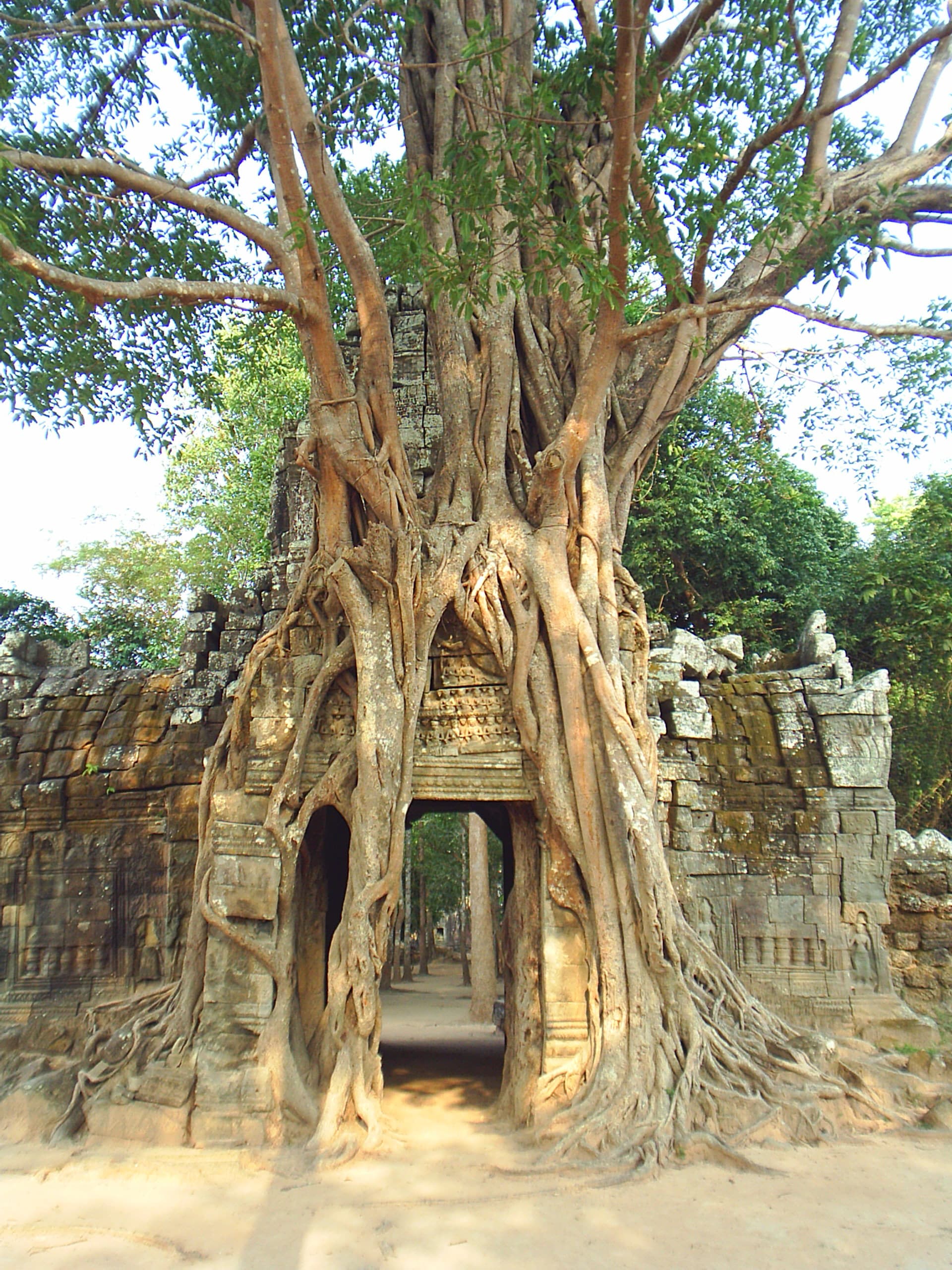
Discover the serene, tree-covered ruins of Ta Som, a lesser-visited gem in Cambodia’s Angkor Archaeological Park.
