Why Diy-Gid-Biy Matters
Diy-Gid-Biy preserves clusters of dry-stone walls, terraces and enclosures built on rocky outcrops above the plains of Cameroon’s Far North. These structures demonstrate sophisticated adaptation to a harsh savanna environment and remain among the most intact examples of pre-colonial stone architecture in the region.
History and Cultural Context
The ruins are associated with communities that occupied the Mandara Mountains centuries ago. Builders used locally quarried stone to create defensive perimeters, livestock pens and terraced fields that captured seasonal runoff. The site’s layout reflects both practical needs for security and water management and the social organization of the people who lived here.
What Visitors Can Expect
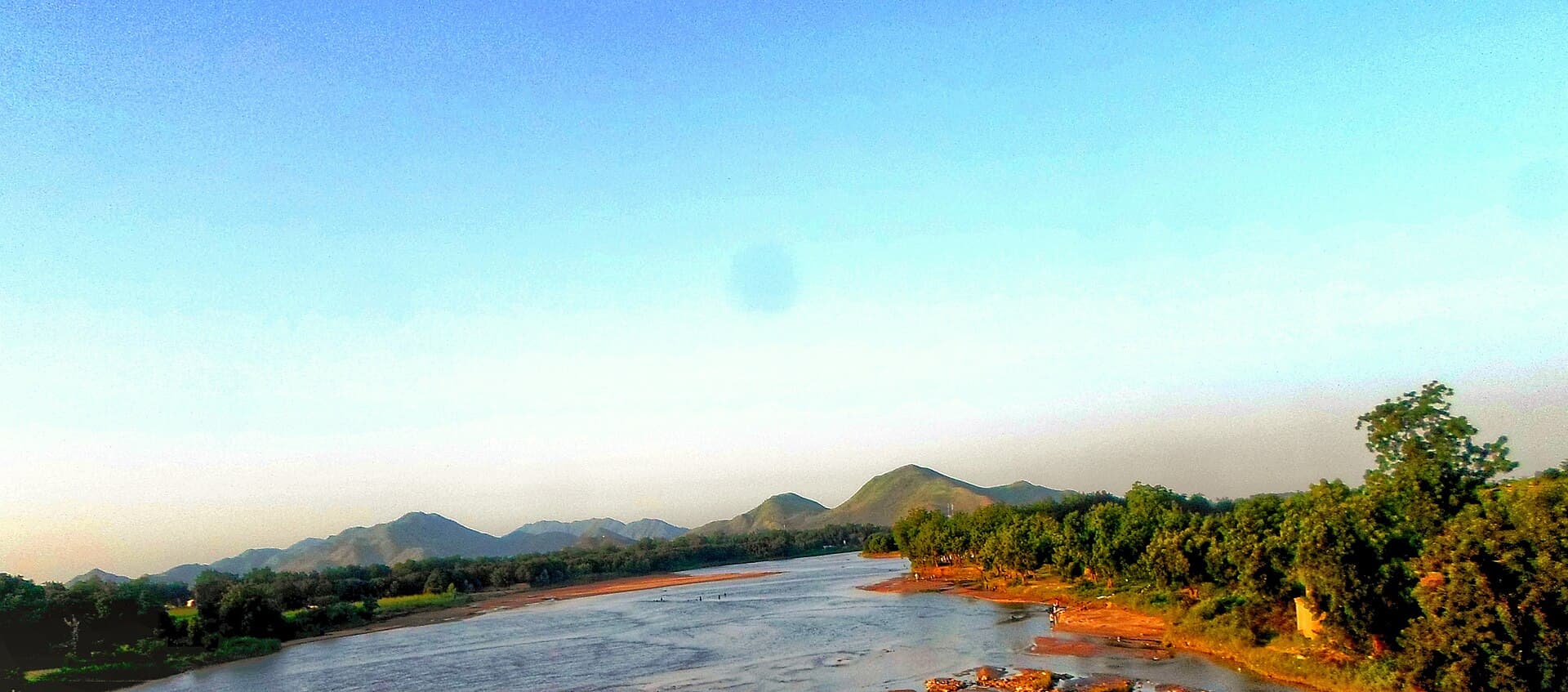
Scattered across several hills, the main concentrations feature concentric walls up to several meters high, narrow gateways and platforms that once supported huts. Walking among the stones reveals panoramic views across the borderlands toward Nigeria. The landscape feels remote and quiet, with only scattered acacia trees and the occasional herder moving through the valleys below.
Getting There
Most travelers start from Maroua, the regional capital. A four-wheel-drive vehicle is essential for the final stretch of rough track that climbs toward the site. Hiring a driver familiar with the area reduces the risk of getting lost on unmarked paths. Public transport reaches nearby villages, after which onward travel is by motorcycle taxi or on foot with a guide.
Best Time to Visit
The coolest and driest months, roughly November through February, offer the most comfortable conditions for hiking. Temperatures are lower, vegetation is sparse, and seasonal tracks remain passable. The rainy season turns paths muddy and can make some enclosures harder to reach.
Nearby Places Worth Combining
The broader Mandara Mountains contain other archaeological and cultural sites, including additional stone ruins and traditional villages known for pottery and weaving. Travelers often continue to Rhumsiki for its dramatic volcanic plugs or visit markets in Mora to experience daily life in the region.