Keep reading
Nearby & related
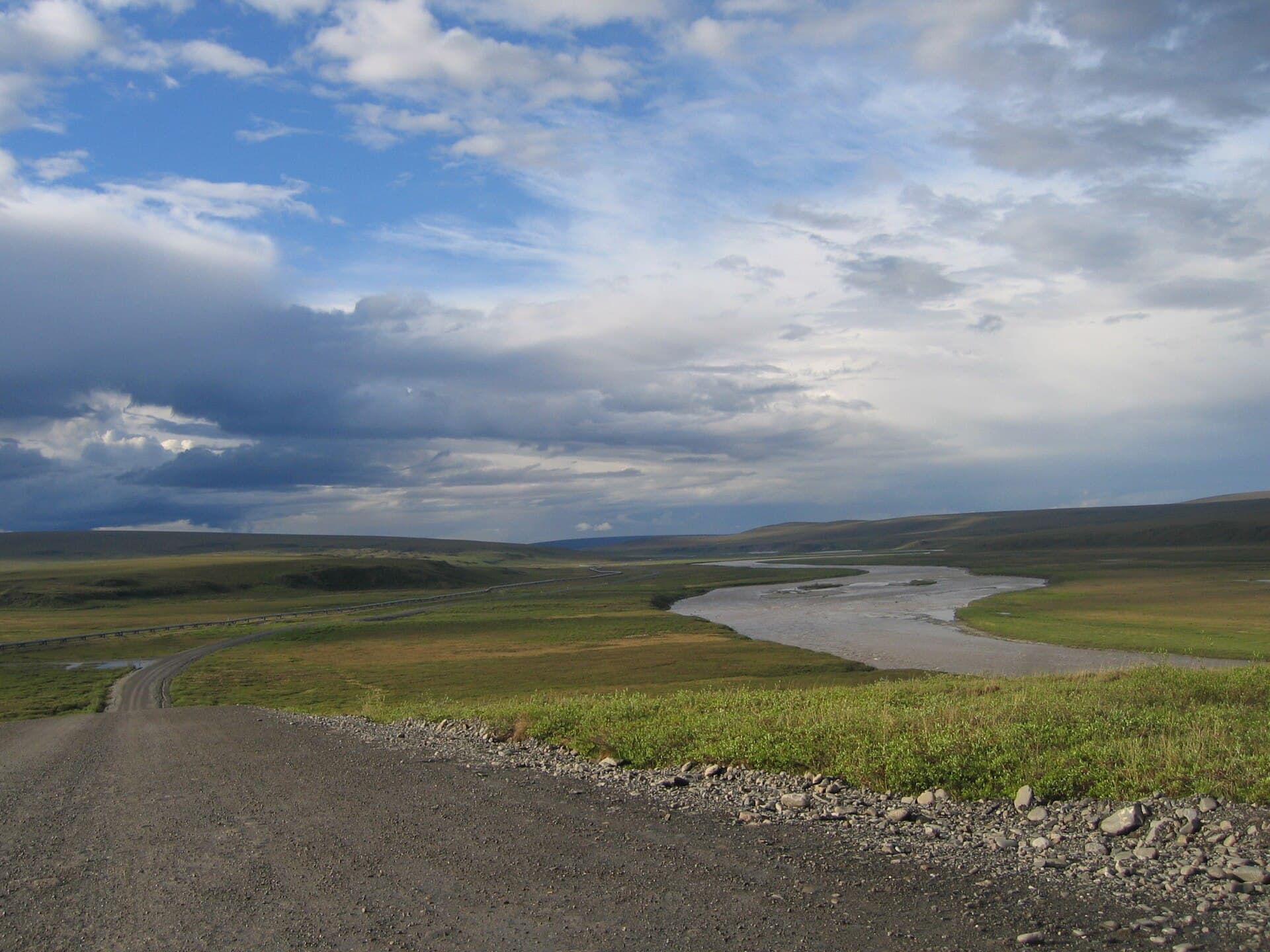
Sagavanirktok River: Rafting Alaska’s Remote Arctic Frontier
Experience the wild, roadless beauty of one of Alaska’s northernmost rivers on the North Slope.
17 August 2026
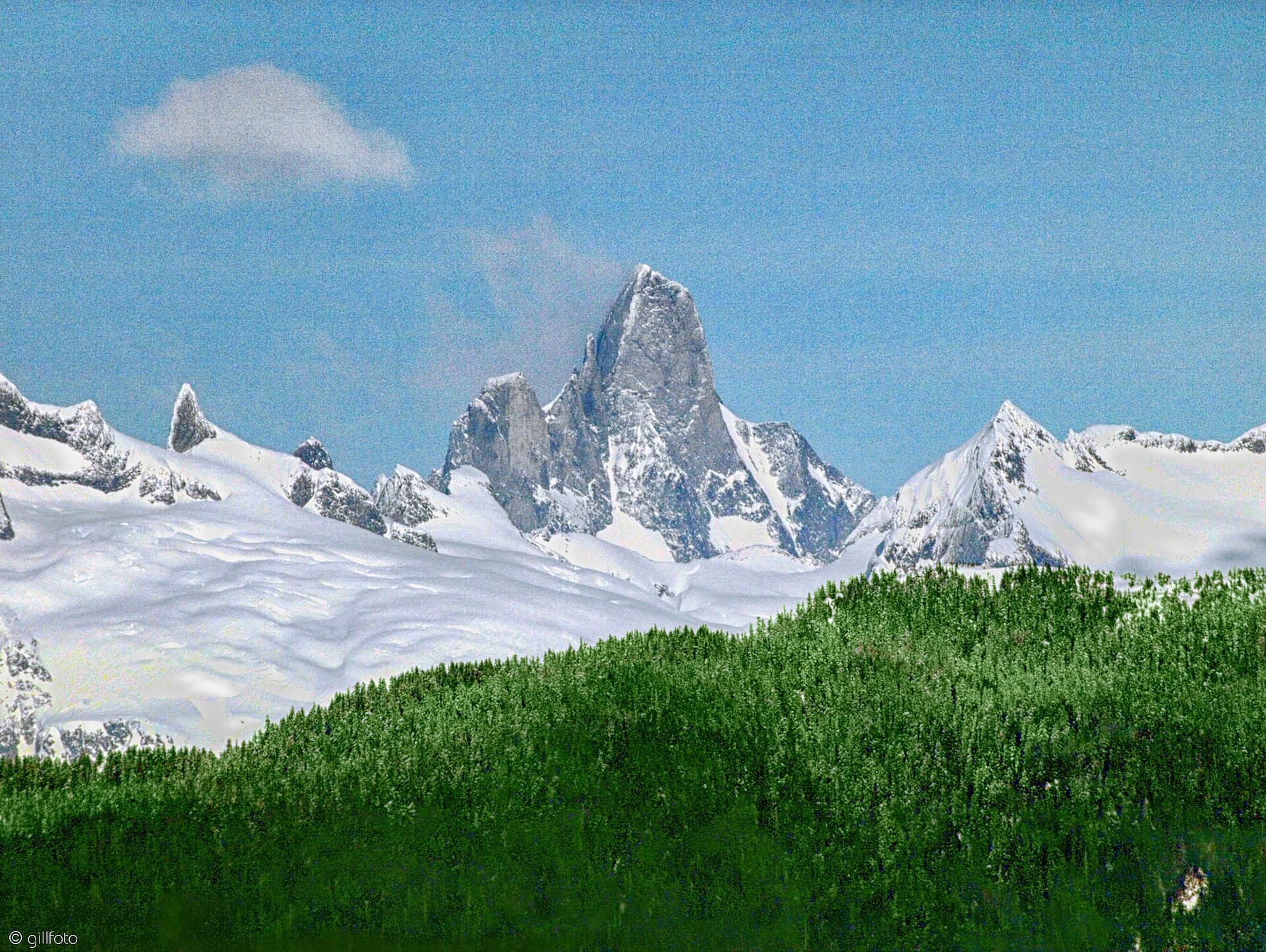
This striking 9,077-foot spire draws experienced climbers to its sheer walls amid Alaska's vast icefields.
Devils Thumb rises dramatically from the Stikine Icecap in Alaska’s Coast Mountains, its near-vertical granite faces and narrow summit making it one of North America’s most recognizable alpine features. The peak’s isolation and technical routes set it apart from more accessible mountains, rewarding visitors with sweeping views of tidewater glaciers and endless icefields.
Access begins with flights into Petersburg or Wrangell on the Alaska Panhandle. From there, charter floatplanes or boats carry climbers and hikers across Frederick Sound to the edge of the Stikine Icecap. Most parties then ski or hike several miles across the ice to established base camps below the peak’s west or east faces. No roads or trails reach the mountain itself.
June through early September offers the most stable weather windows for climbing and travel across the icecap. Earlier in the season, deeper snow can simplify glacier travel but increase avalanche risk; later months bring longer daylight yet more frequent storms. Winter visits are possible only for highly equipped expeditions.
The classic routes ascend the west face via long rock and ice pitches, while the east face presents even steeper big-wall challenges. Non-climbers can enjoy ski traverses across the icecap or photography from nearby ridges. Wildlife sightings often include mountain goats and occasional bears near lower elevations. All activities require strong glacier travel skills and self-sufficiency.
The broader Stikine Icecap holds other notable peaks such as Kates Needle. Southward, the Stikine River offers rafting and fishing opportunities once visitors return to tidewater. Petersburg’s LeConte Glacier provides an easier day-trip alternative for those seeking ice views without committing to the full Devils Thumb approach.
Keep reading
Experience the wild, roadless beauty of one of Alaska’s northernmost rivers on the North Slope.
Routes range from serious multi-pitch rock and ice climbs to extreme big-wall ascents; most require prior experience on glaciated terrain and technical rock climbing at 5.10 or harder.
No federal climbing permit is required, but visitors should check current U.S. Forest Service regulations for the Tongass National Forest and obtain necessary backcountry or aviation permits for floatplane operations.
Crampons, ice axes, ropes, crevasse rescue kits, and skis or snowshoes are standard for crossing the Stikine Icecap; rock racks and ice screws are needed once on the peak itself.
Novices should join a guided ski or climbing expedition; independent travel across the icecap is hazardous without advanced glacier and mountaineering skills.
Yes, scenic flights, glacier photography, and short ski tours on the icecap fringes provide rewarding experiences without committing to technical routes on the peak.
Paddle, fish, and explore the untouched Buckland River deep in northwest Alaska’s Arctic landscape.
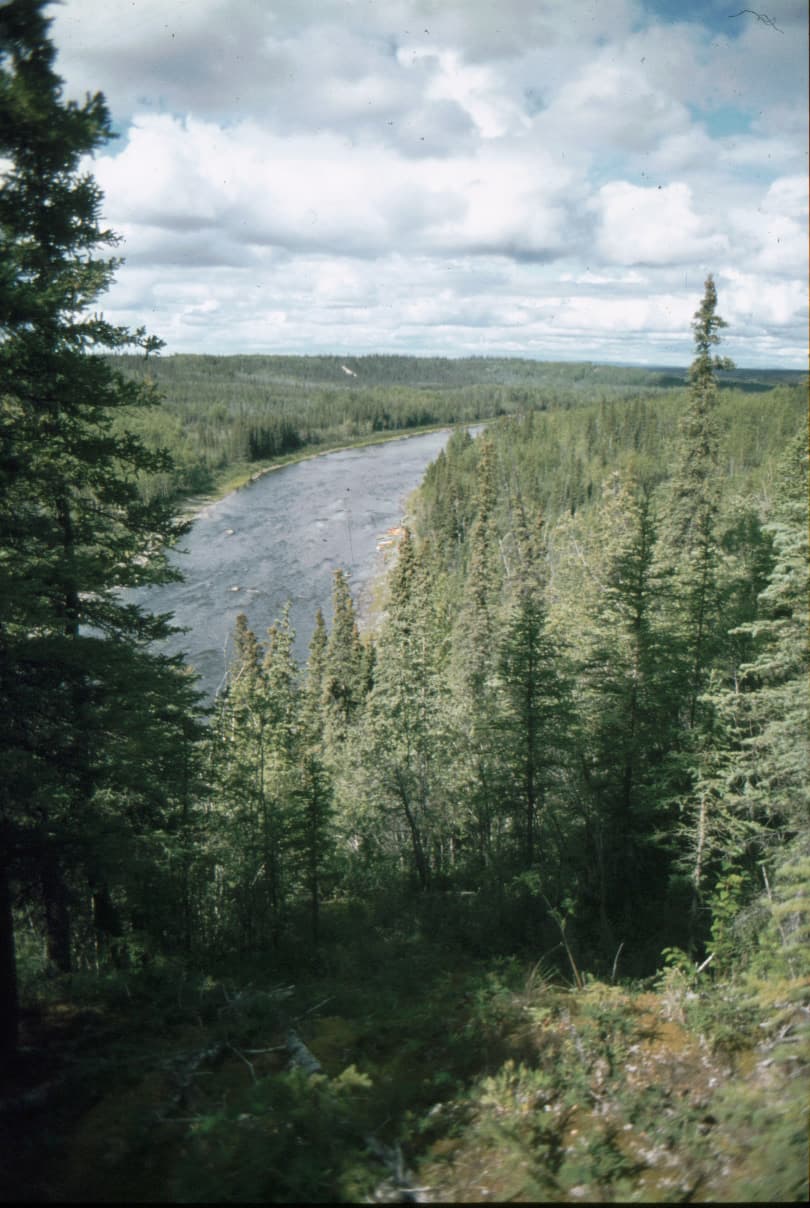
The Gulkana River delivers remote Alaska wilderness, world-class salmon runs, and scenic multi-day floats in the Copper…