Why the Cheakamus River Belongs on Your Itinerary
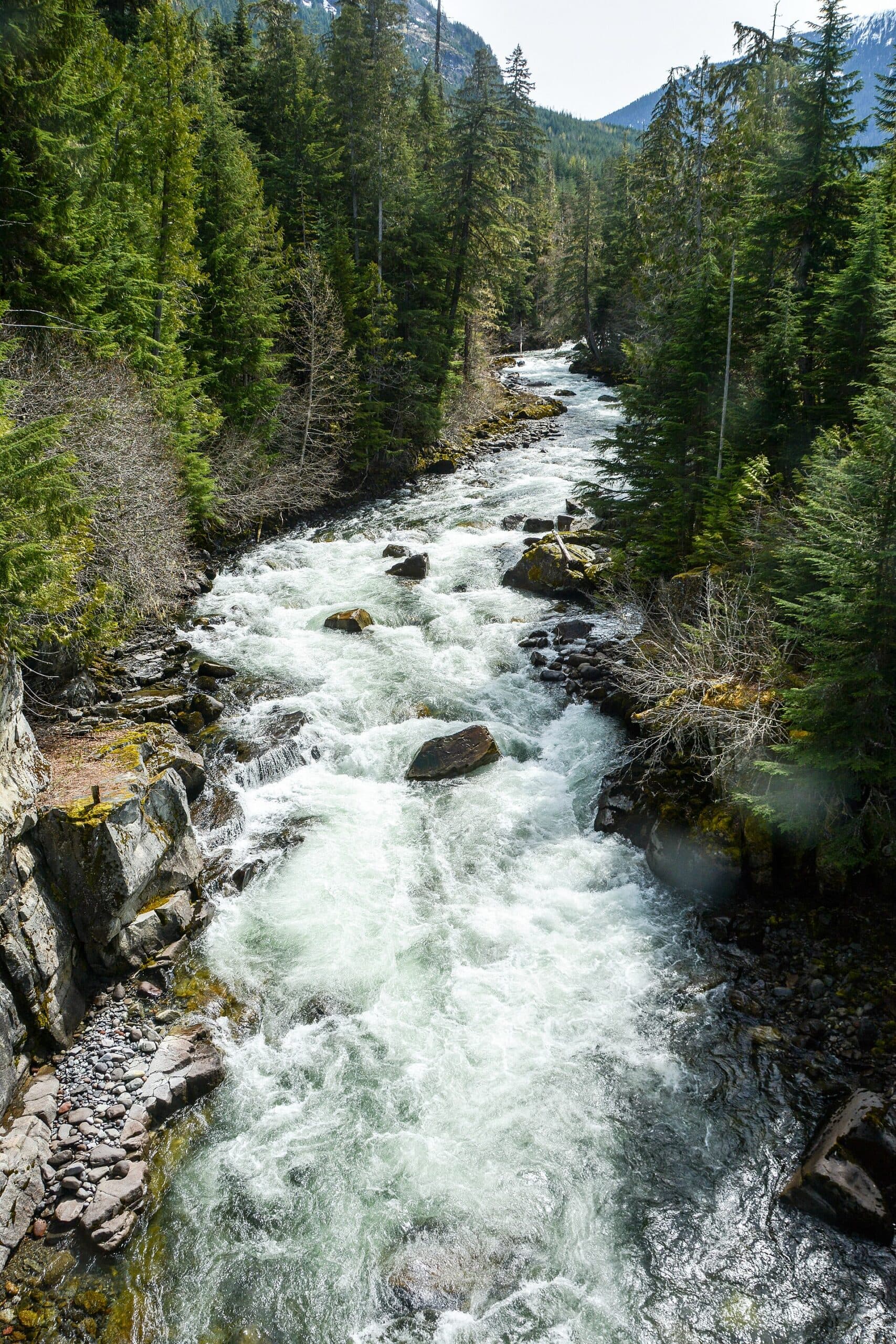
The Cheakamus River carves a dramatic valley through the Coast Mountains, offering a rare combination of accessible wilderness and varied outdoor pursuits. Its turquoise waters, fed by glacial melt and snowfields, contrast sharply with the dark basalt cliffs and dense coastal rainforest that line its banks. Unlike busier stretches of the nearby Squamish River, the Cheakamus retains a quieter, more intimate character even in peak season.
Getting There
Most visitors arrive by car via Highway 99, the Sea to Sky Highway. From Vancouver the drive takes roughly 90 minutes to the southern access points near Squamish; another 30 minutes reaches the northern sections close to Whistler. Parking areas exist at Cheakamus Lake trailhead, the Cheakamus River suspension bridge, and several pullouts along the highway. Public transit is limited; the closest reliable option is the Whistler-Sea to Sky bus that stops at Function Junction, from which a short taxi or bike ride reaches river trails.
Things to Do
Whitewater Rafting and Kayaking
The river features consistent Class III and IV rapids through the spring and early summer, with commercial trips launching from put-ins near Daisy Lake. Independent paddlers favor the lower gorge sections for technical playboating when water levels drop in late summer.
Hiking and Trail Running
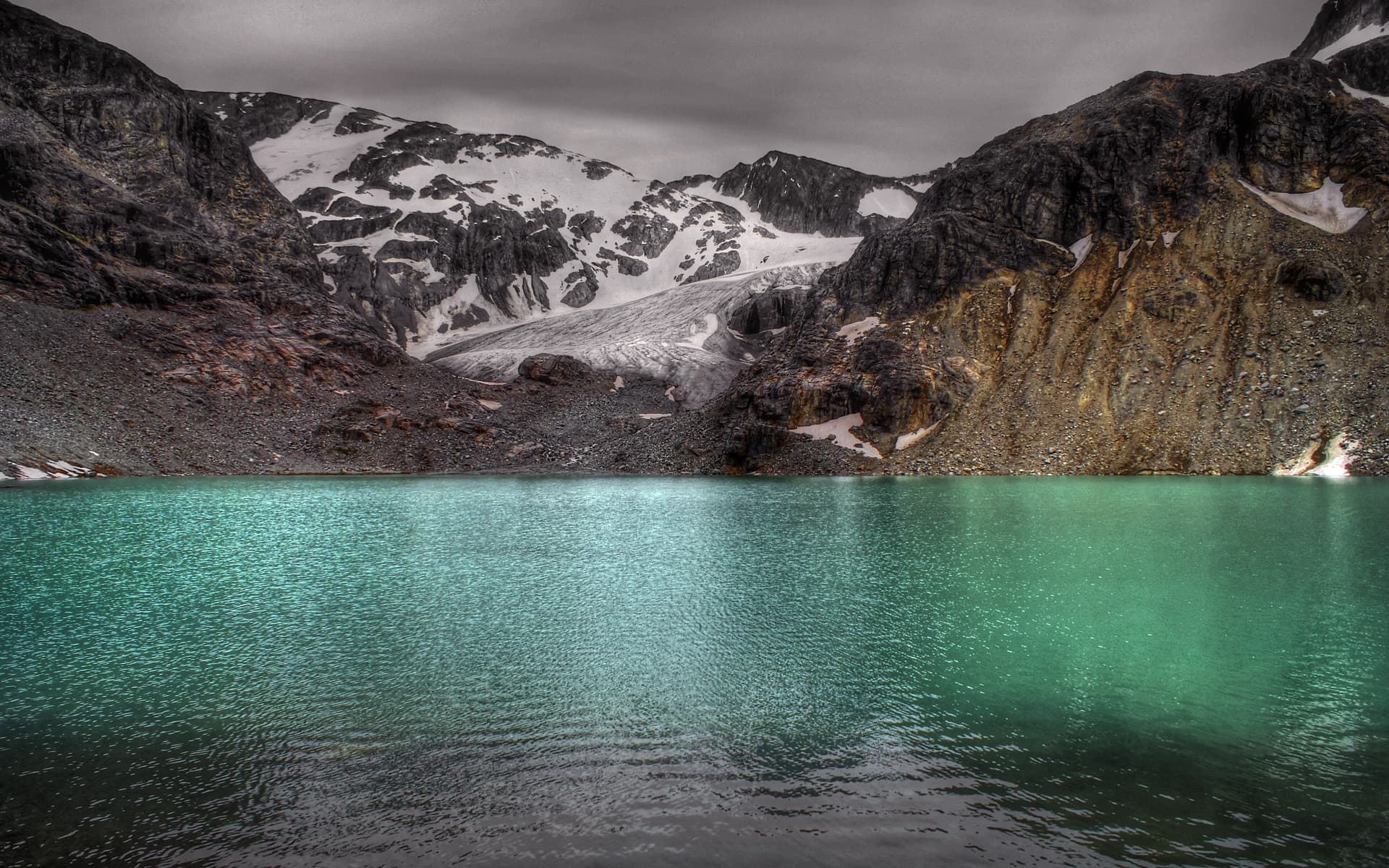
The Cheakamus Lake Trail provides a gentle 3-kilometre forest walk ending at a turquoise alpine lake ringed by peaks. Longer options include the High Falls Creek Trail and the Cheakamus River Trail that follows the water for several kilometres with multiple viewpoints. The suspension bridge crossing offers a quick, photogenic out-and-back suitable for all ages.
Fishing and Wildlife Viewing
Resident rainbow trout and seasonal runs of coho and chinook salmon draw anglers to deeper pools below the confluence with the Cheekye River. Keep an eye on the river corridor for black bears, river otters and bald eagles, especially during salmon spawning season.
Best Time to Visit
July and August bring the warmest weather and most reliable rafting flows. September offers fewer crowds, cooler temperatures and vibrant fall colors along the valley floor. Winter visits are possible for snowshoeing or photography, though trail access and river levels require careful checking.
Nearby Attractions
Combine a river day with stops at Brandywine Falls Provincial Park, the Sea to Sky Gondola, or the trails of Garibaldi Provincial Park. Whistler’s village amenities lie only 20 minutes north, while the town of Squamish provides additional lodging and dining options to the south.