
Keep reading
Nearby & related
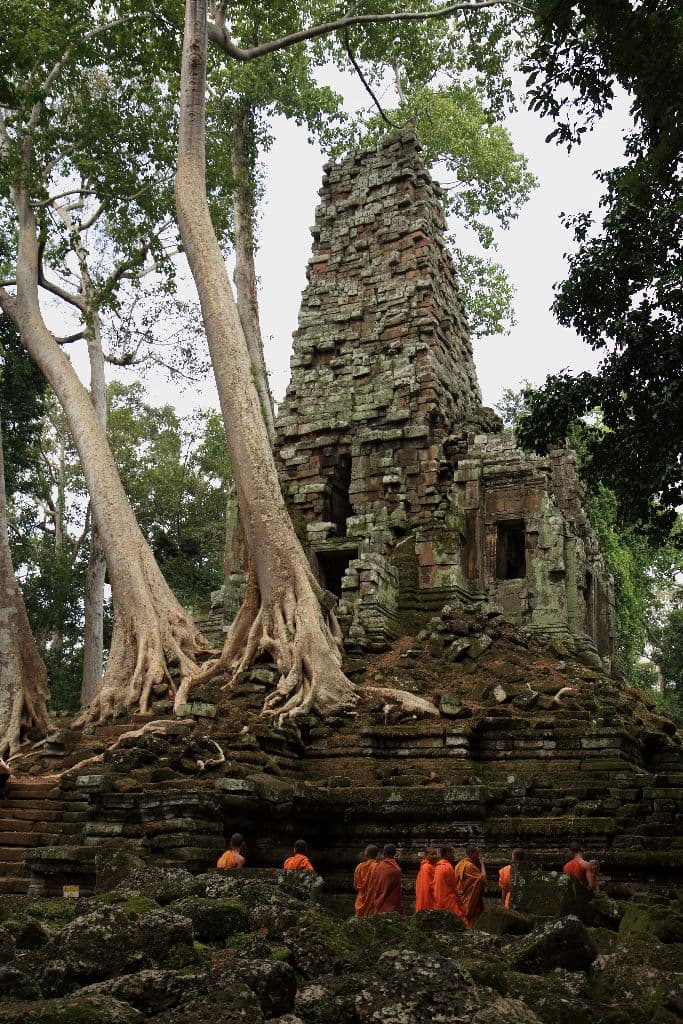
Preah Palilay: A Quiet Buddhist Sanctuary Amid the Angkor Ruins
Discover the distinctive late-12th-century temple with its soaring tower and serene atmosphere inside Siem Reap’s Angkor…
19 October 2026
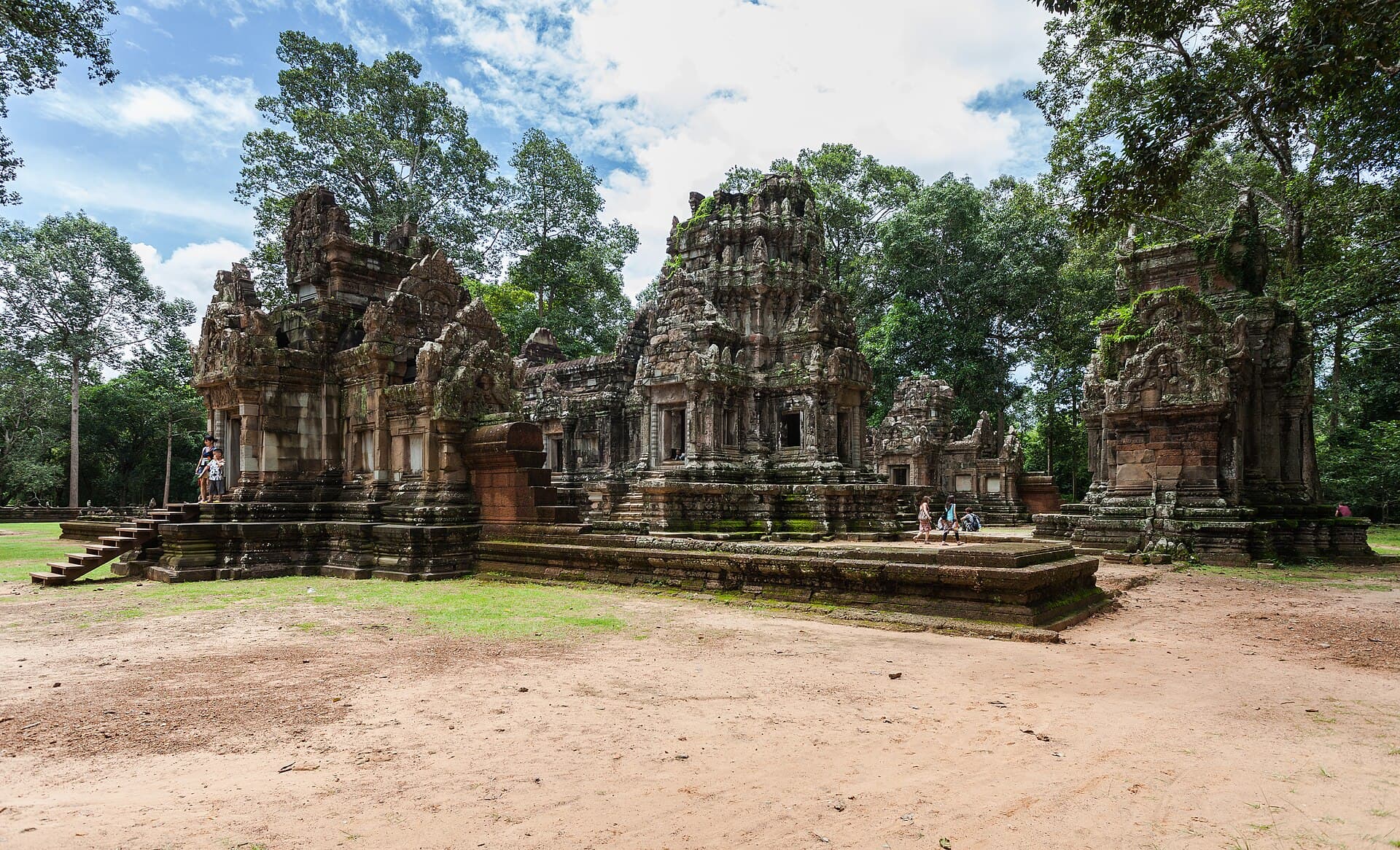
Explore the detailed carvings and peaceful setting of this lesser-visited Khmer ruin in the Angkor complex.
Chau Say Tevoda stands out among Angkor’s temples for its compact scale and fine sandstone reliefs that remain relatively intact. Built in the mid-12th century during the reign of Suryavarman II, the same king who commissioned Angkor Wat, the temple was dedicated to both Shiva and Vishnu. Its location just east of Angkor Wat makes it an easy addition to any temple itinerary while offering a calmer atmosphere than the larger monuments.
The temple follows a classic cruciform layout with a central sanctuary, four gopuras, and a surrounding gallery. Look closely at the lintels and pediments: scenes from Hindu epics such as the Churning of the Ocean of Milk appear alongside floral motifs and apsaras. The east gopura still displays much of its original decoration, giving visitors a clear sense of how the sandstone was once richly ornamented.
Chau Say Tevoda lies inside the Angkor Archaeological Park, roughly 1.5 kilometers east of Angkor Wat’s main entrance. Most visitors reach it by tuk-tuk, bicycle, or organized tour. From Siem Reap town, the drive takes 20–25 minutes along well-maintained roads. A single-day Angkor pass covers entry; the temple is included with no additional fee.
The dry season from November to April offers the most comfortable conditions. Arrive at opening (around sunrise) or in the late afternoon to avoid midday heat and tour groups. The temple’s modest size means even a 45-minute visit feels unhurried outside peak hours.
After Chau Say Tevoda, walk or cycle five minutes north to Thommanon, which shares a similar 12th-century date and style. Continuing east brings you to Ta Keo, a massive laterite pyramid, and farther south to the sprawling Ta Prohm. These four sites together form a compact half-day loop that balances iconic and quieter monuments.
Bring water and wear a hat; shade is limited. The laterite and sandstone surfaces can be uneven, so sturdy footwear helps. Photography is permitted, but tripods are restricted near the central sanctuary. Local guides can point out lesser-known reliefs that reward close inspection.
Keep reading
Discover the distinctive late-12th-century temple with its soaring tower and serene atmosphere inside Siem Reap’s Angkor…
Most visitors find 30u201345 minutes sufficient to see the main structures and carvings before moving on to neighboring temples.
It receives far fewer visitors than Angkor Wat or Bayon, so even during high season you can often explore without large groups.
Yes. Clear paths and signage allow independent exploration, though a guide enhances appreciation of the reliefs.
Pair it with Thommanon and Ta Keo for a short eastern loop that fits easily into a single-day Angkor pass itinerary.
There are no restrooms or shops directly at the temple; use facilities at the main Angkor ticket office or nearby food stalls along the road.
A compact 10th-century sanctuary in Siem Reap featuring rare Vishnu carvings inside five brick towers.
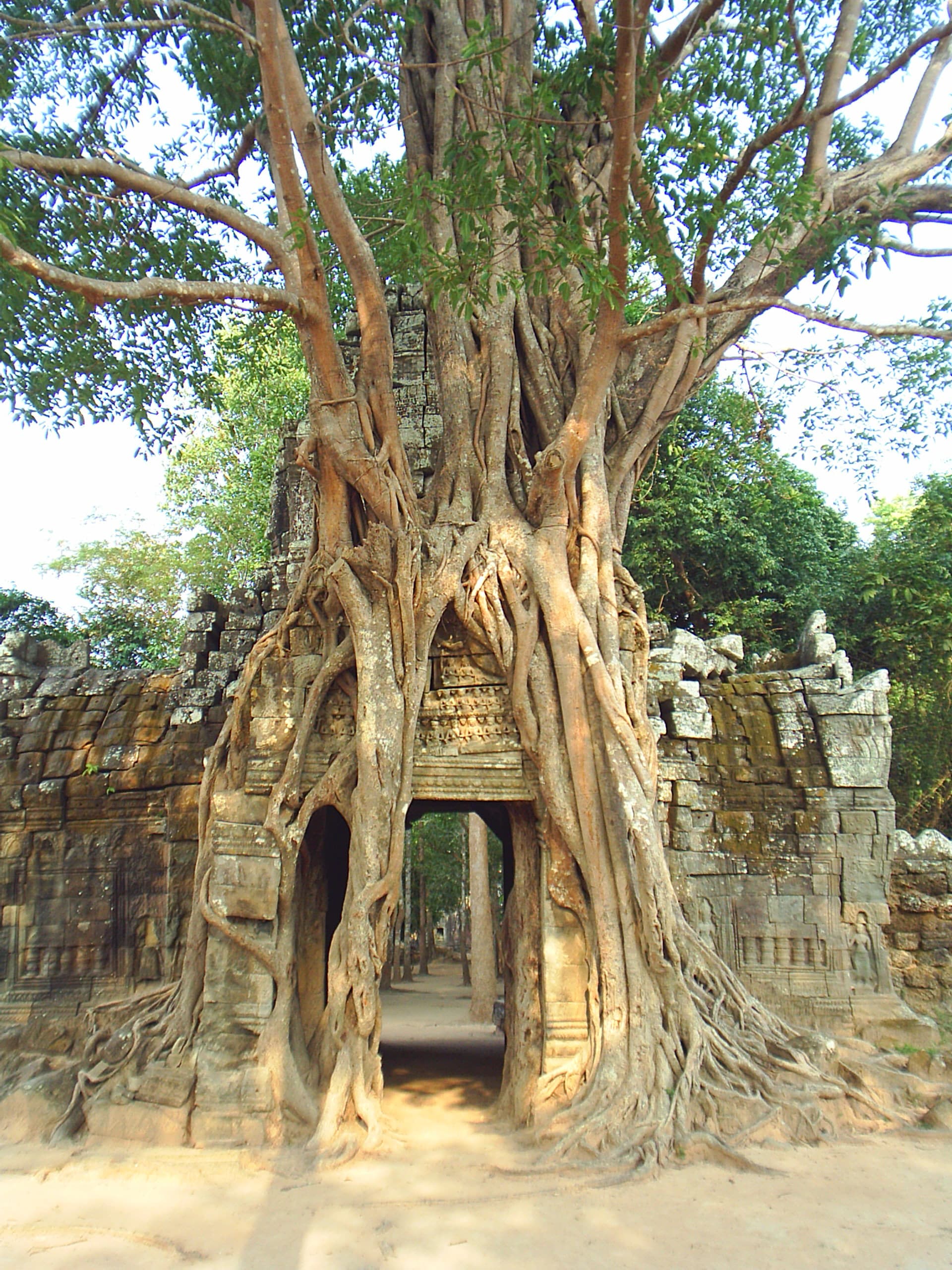
Discover the serene, tree-covered ruins of Ta Som, a lesser-visited gem in Cambodia’s Angkor Archaeological Park.
