Why the Canberra Centenary Column Matters
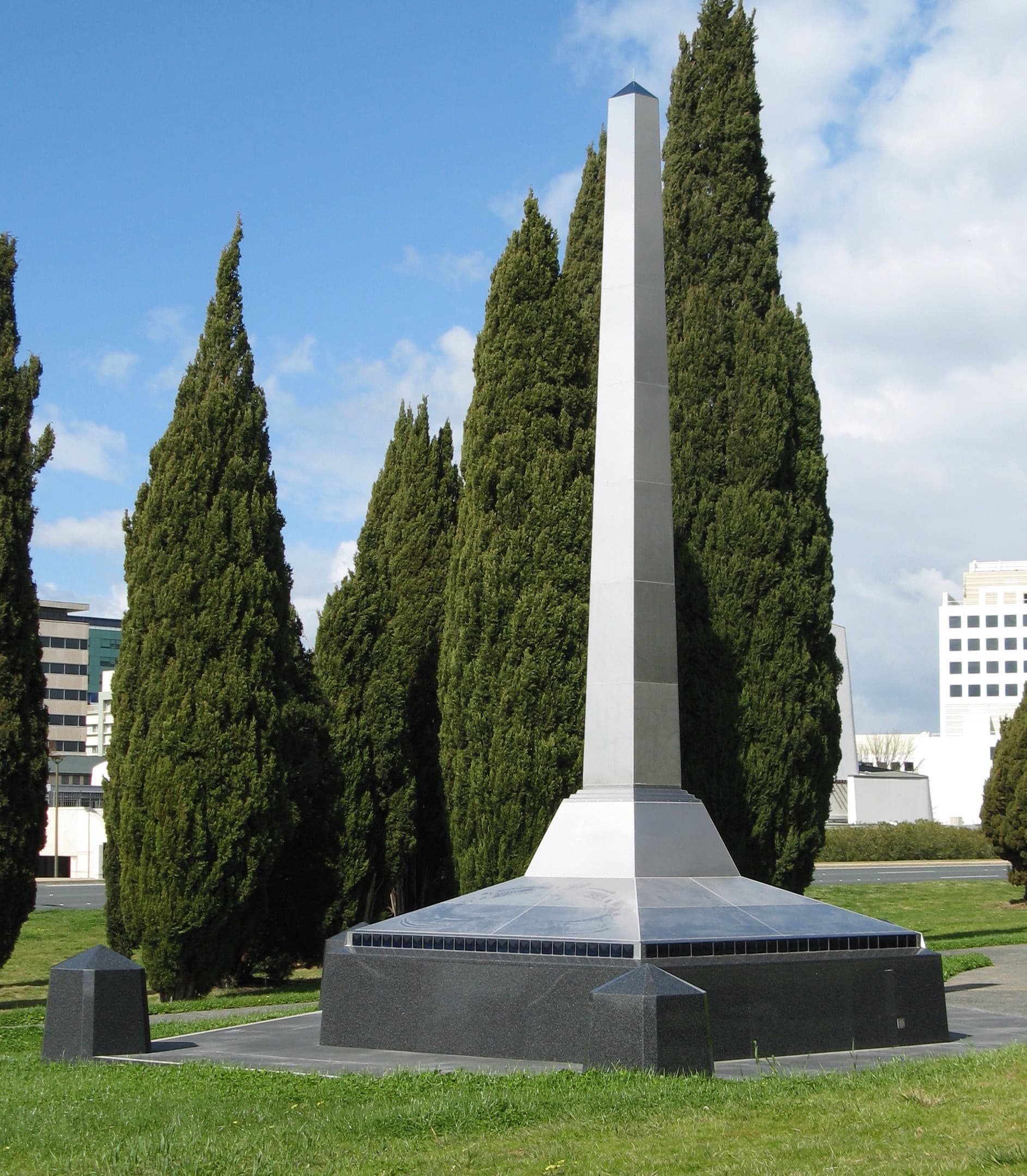
The Canberra Centenary Column stands as a permanent record of the city’s 1913 founding and its 2013 centenary. Designed as a slender granite obelisk topped by a bronze sphere, it rises from a paved plaza that incorporates Indigenous and settler motifs. Visitors gain an immediate sense of Canberra’s deliberate geometry, with sightlines aligning to the Parliamentary Triangle and the surrounding Brindabella Ranges.
Getting to the Column
Commonwealth Park lies on the northern shore of Lake Burley Griffin, a short walk or cycle from the city centre. Regular buses stop at the nearby Regatta Point terminal, while dedicated bike paths run along the lakeshore. Drivers can use the underground car park at the National Convention Centre and follow the pedestrian bridge across the water. The site is fully accessible by wheelchair via level paths and ramps.
Best Time to Visit
Early morning or late afternoon light accentuates the column’s stone texture and the changing colours of the lake. Spring (September–November) and autumn (March–May) bring mild temperatures ideal for lingering in the surrounding gardens. Summer visits are pleasant at dawn before heat builds, while winter offers crisp air and fewer crowds.
What to See and Do Nearby
After viewing the column, stroll the lakeside path toward the Captain Cook Memorial Water Jet or cross Kings Avenue Bridge to the National Gallery of Australia. The National Portrait Gallery and High Court sit within easy walking distance, allowing a compact half-day circuit of cultural institutions. Picnic areas and playgrounds in Commonwealth Park make the site family-friendly.
Photography and Interpretation
Interpretive plaques at the base explain the column’s design competition and the symbolic elements drawn from Canberra’s Walter Burley Griffin plan. Wide-angle shots from the plaza capture both the monument and the distant Parliament House dome, especially striking at sunset.