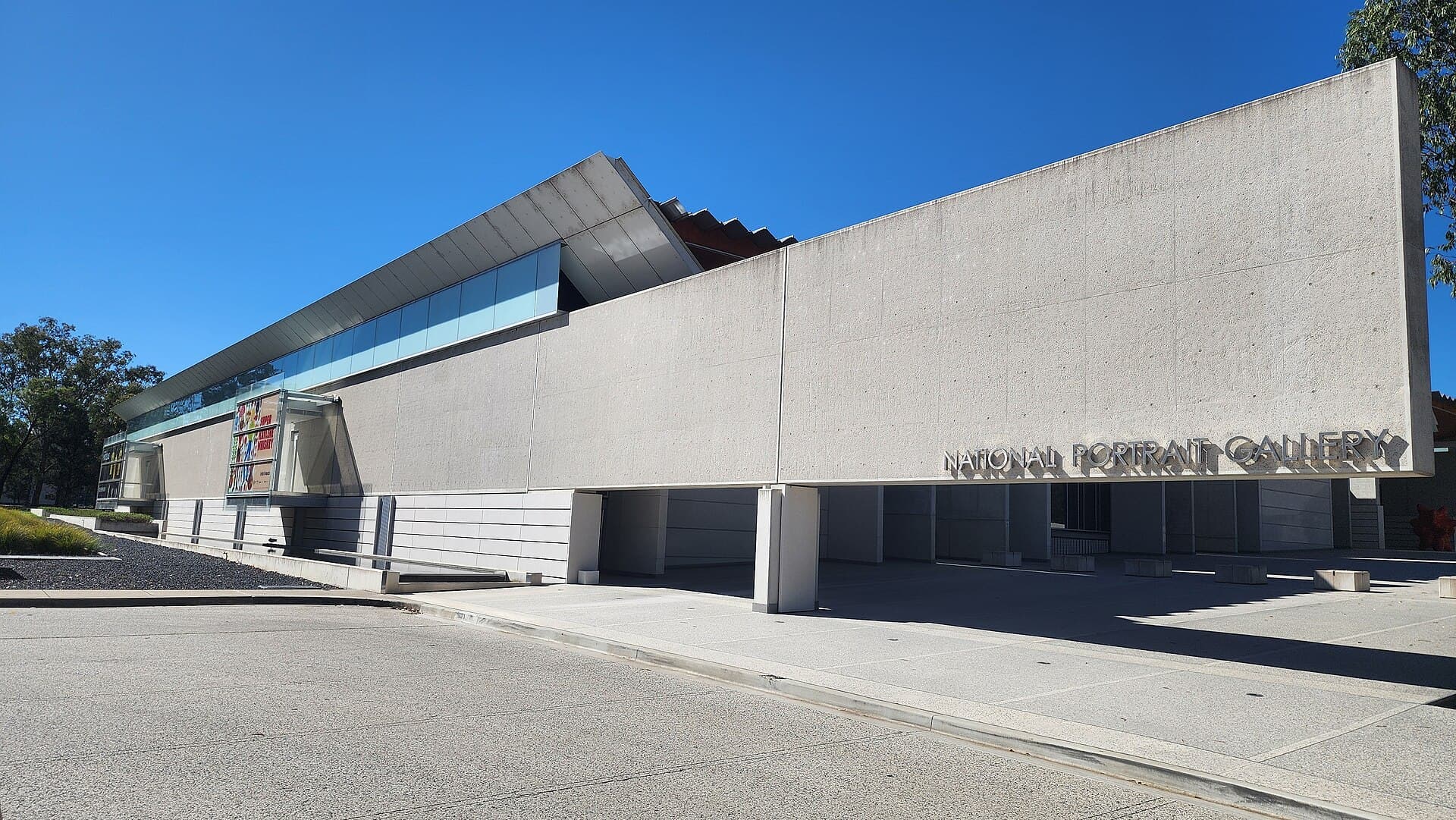
Why the National Portrait Gallery Matters
The National Portrait Gallery stands out for its focused collection of portraits that trace Australia’s social, political and cultural evolution. Rather than broad surveys of art movements, the museum presents individuals whose lives have shaped the nation, from early colonial figures to contemporary leaders and creatives. Visitors gain an intimate view of history through faces, expressions and personal objects captured in paintings, photographs, sculptures and digital works.
Highlights of the Collection
Permanent displays feature iconic works such as portraits of prime ministers, Indigenous elders, sporting heroes and artists. Changing exhibitions often pair historical figures with living subjects, revealing continuities in Australian experience. The building’s high ceilings and generous natural light create an inviting setting that encourages slow looking and reflection on each subject’s story.
Architecture and Atmosphere
Designed with Canberra’s landscape in mind, the gallery’s modern structure incorporates stone and glass that echo the surrounding parkland. Wide sightlines allow visitors to compare portraits across eras while moving between intimate and monumental spaces.
Getting There
The gallery sits within Canberra’s parliamentary triangle, easily reached on foot from the city centre or by frequent bus services that stop nearby. Drivers can use public parking areas around the cultural precinct. Many visitors combine the gallery with a stroll along Lake Burley Griffin, making it a convenient stop on a full-day cultural itinerary.
Best Time to Visit
Canberra’s mild spring and autumn months offer the most comfortable conditions for walking between museums and enjoying outdoor views from the gallery terraces. Summer visits remain pleasant inside the climate-controlled building, while winter brings fewer crowds and crisp light that suits the portrait medium particularly well.
Nearby Attractions
Immediately adjacent are the National Gallery of Australia and the High Court of Australia. A short walk leads to the Australian War Memorial and Reconciliation Place. The precinct’s concentration of institutions allows visitors to create a rich, multi-day program focused on Australian history, art and governance without needing to travel far.
- Plan at least two hours to absorb the permanent collection without rushing.
- Wear comfortable shoes, as the surrounding parkland invites extended walks between sites.
- Pair the visit with a picnic by the lake or lunch at one of the nearby cultural-institution cafés.