Keep reading
Nearby & related
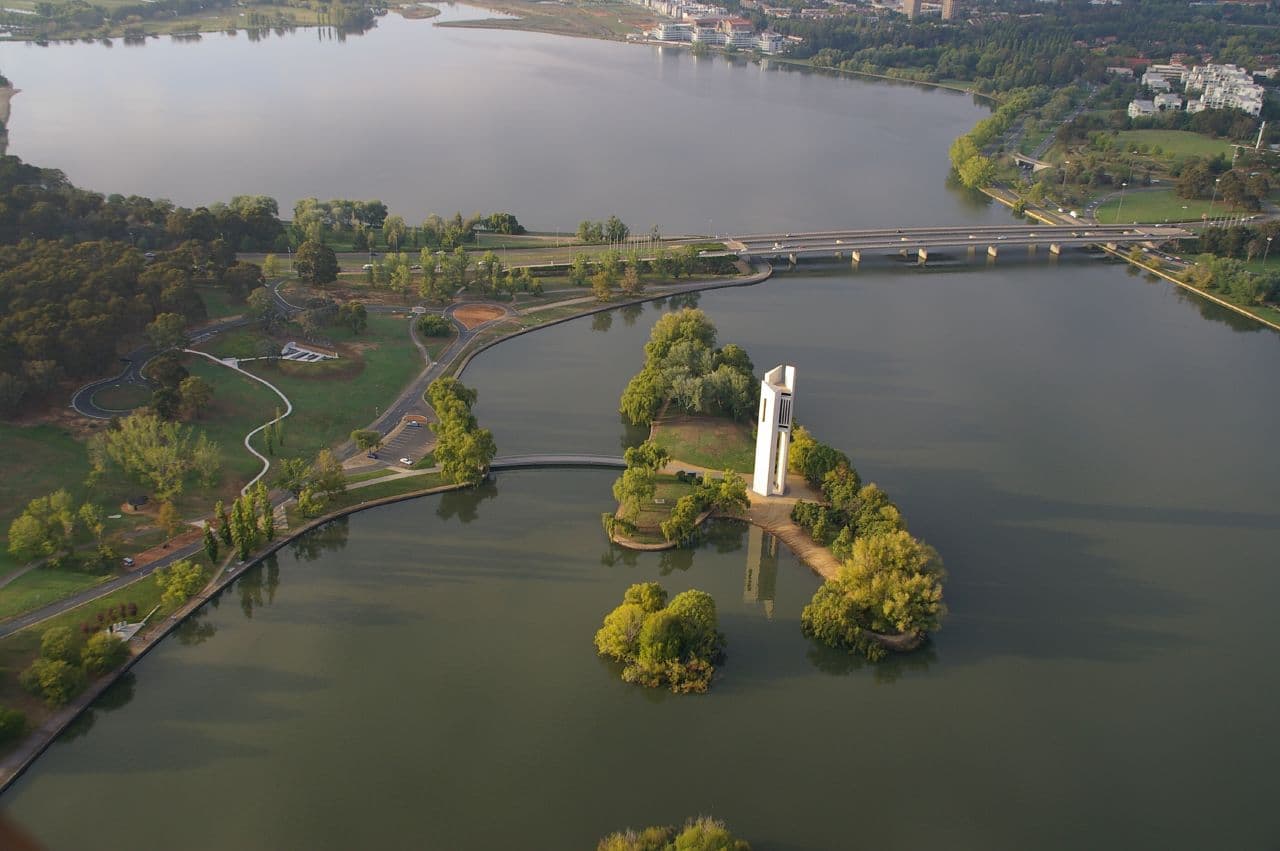
Queen Elizabeth II Island: Canberra’s Carillon-Filled Retreat on Lake Burley Griffin
A compact, car-free island offering peaceful walks, bell music, and sweeping views across the capital’s iconic lake.
17 September 2026
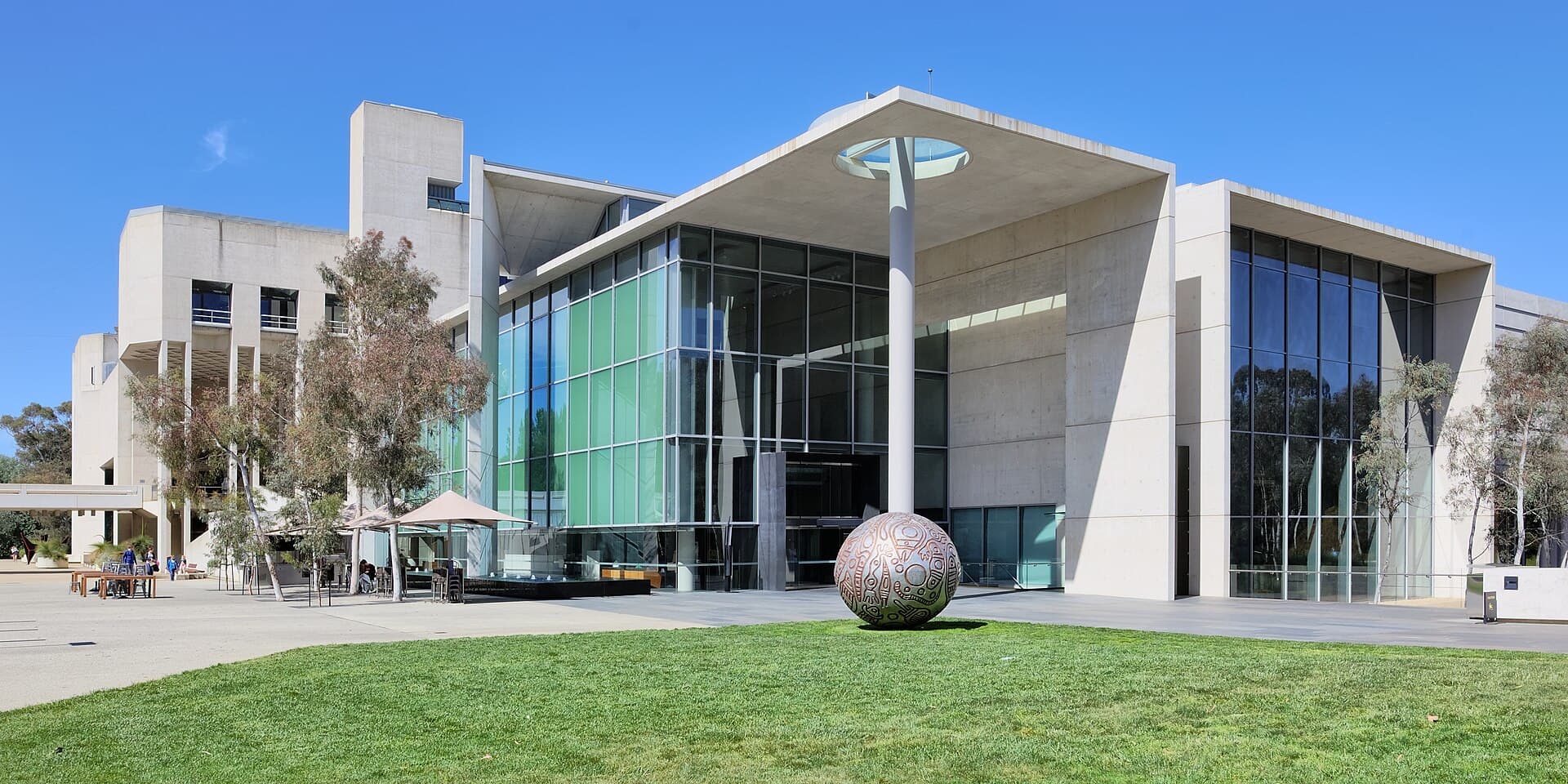
Explore one of the world's finest collections of Australian Indigenous art alongside international masterpieces at the National Gallery of Australia.
The National Gallery of Australia holds the country’s most comprehensive public collection of art, with particular strength in Aboriginal and Torres Strait Islander works that span tens of thousands of years. Its location on the southern shore of Lake Burley Griffin makes it a natural anchor for any cultural visit to Canberra, offering both indoor galleries and an extensive outdoor sculpture garden that rewards slow wandering.
The Indigenous galleries showcase bark paintings, ceremonial objects, and large-scale contemporary works that reveal the depth and diversity of First Nations artistic traditions. Visitors often spend extended time with pieces by artists such as Emily Kame Kngwarreye and Rover Thomas. Separate wings present Australian colonial and modern art, including major holdings of Sidney Nolan’s Ned Kelly series and Fred Williams landscapes. International galleries feature works from Asia, Europe, and the Americas, with rotating displays that highlight connections between Australian and global art movements.
The sculpture garden contains more than 50 outdoor pieces set among native plantings. Paths lead past monumental works by artists including Louise Bourgeois and Ron Robertson-Swann, providing a relaxed contrast to the indoor galleries. Temporary exhibitions occupy dedicated spaces and often focus on themes relevant to Australian identity or current artistic practice.
Canberra’s compact layout makes the gallery easy to reach. Most visitors walk from the Parliamentary Triangle or take the frequent local bus services that stop directly outside. The site sits within easy reach of the High Court of Australia and the National Portrait Gallery, allowing a logical walking route between institutions. Limited paid parking is available on site for those arriving by car.
Canberra’s climate favors spring and autumn for comfortable outdoor exploration of the sculpture garden. Summer days can be hot, making early morning visits ideal, while winter offers fewer crowds and crisp light that suits indoor viewing. The gallery remains open year-round, so weather rarely prevents access.
Combine a visit with the National Library of Australia across the lake or the Australian War Memorial on the northern shore. The Parliamentary Triangle contains several other national institutions within a short walk or quick bus ride, creating a full day of cultural exploration without needing transport between sites.
Keep reading
A compact, car-free island offering peaceful walks, bell music, and sweeping views across the capital’s iconic lake.
Most visitors find two to four hours sufficient to see the main Australian and Indigenous collections plus the sculpture garden, though dedicated art enthusiasts often return for multiple visits.
Yes. The sculpture garden provides space for active exploration, and many galleries include family-friendly labels and activity trails during school holidays.
A taxi or rideshare takes approximately 15 minutes. Public buses require a change in the city center but offer a low-cost alternative for those with light luggage.
A cafu00e9 operates inside the gallery, and several restaurants line nearby streets in Barton and Kingston, all within a 10-minute walk.
Photography without flash is permitted in most permanent collection areas; restrictions apply only to temporary exhibitions and are clearly signed.
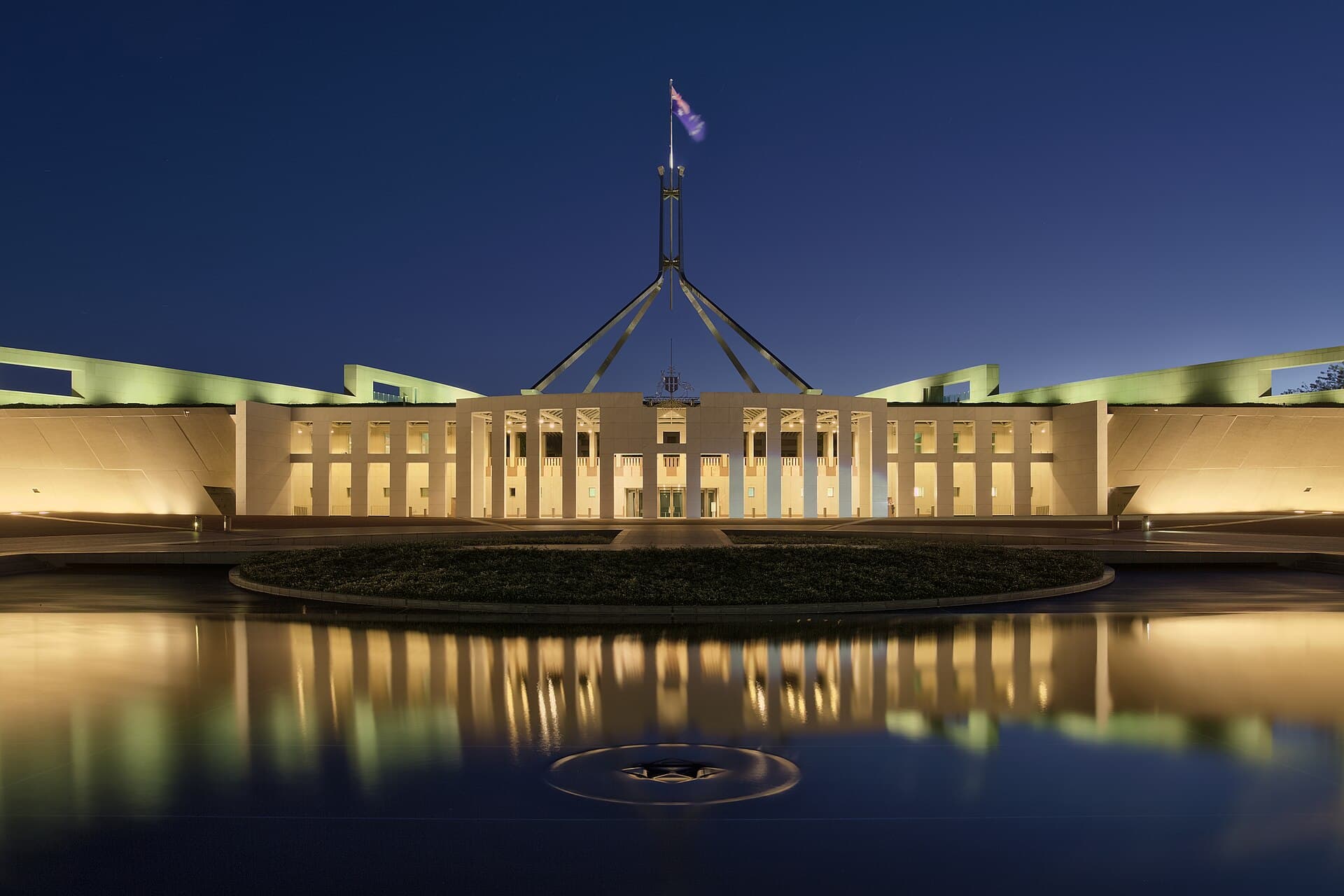
Discover the bold architecture, national art collection, and political significance of Parliament House on Capital Hill.