Keep reading
Nearby & related
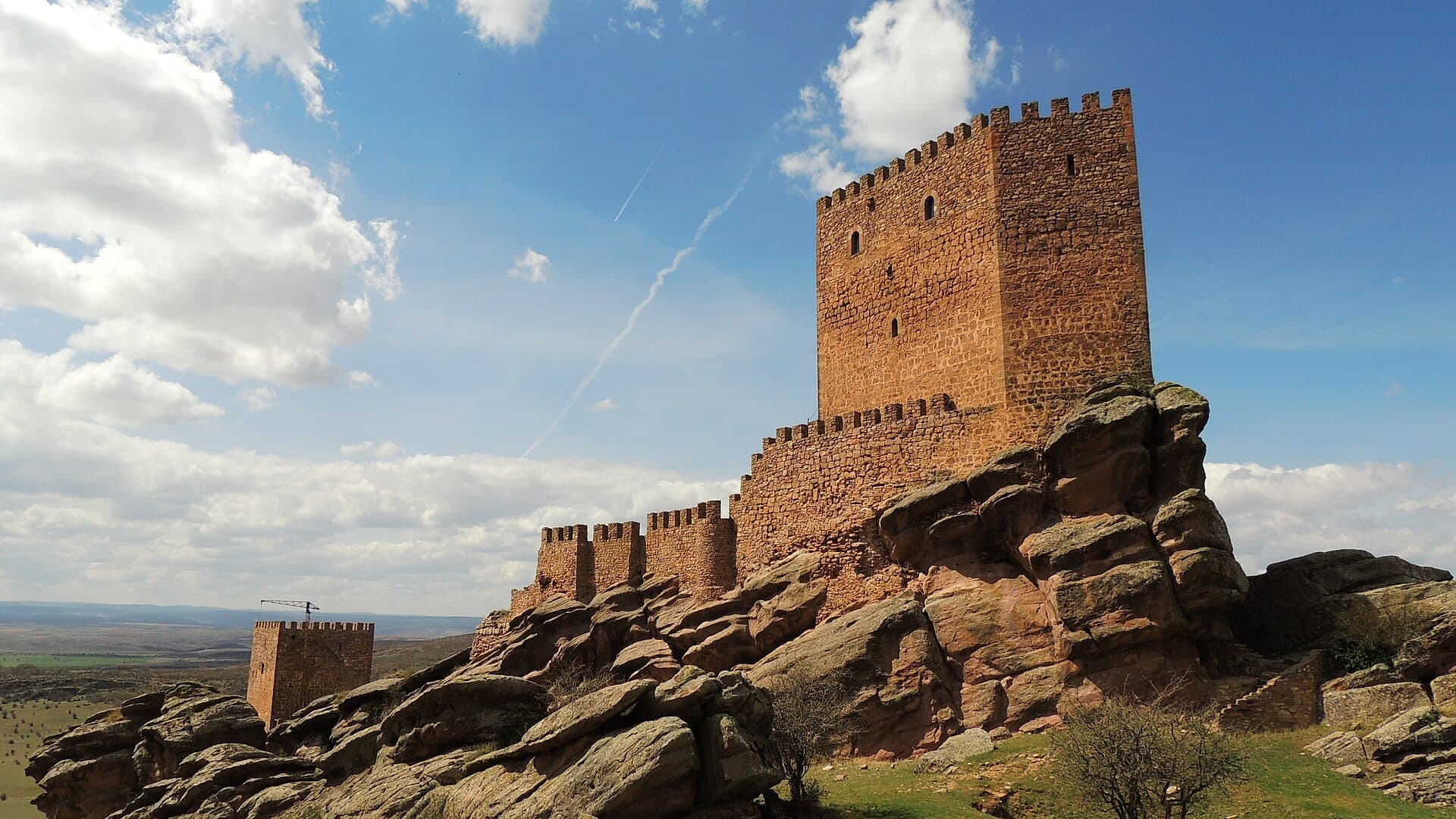
Castle of Zafra: Exploring the Isolated Medieval Stronghold in Castile-La Mancha
This 12th-century fortress stands alone on a sandstone ridge, offering hikers and history lovers a rare glimpse of…
24 November 2026
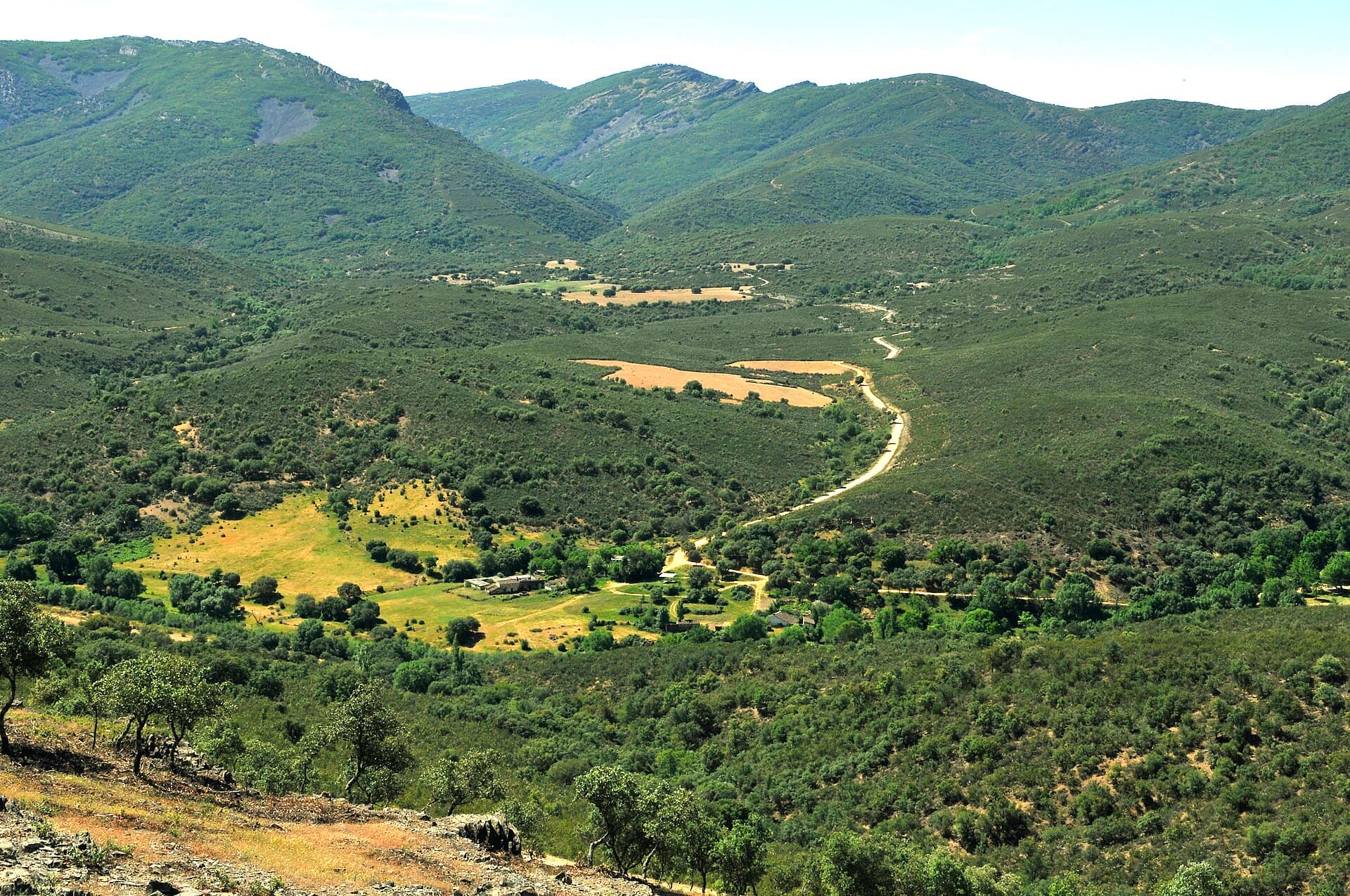
A protected expanse of oak forests, dehesas, and dramatic ridges offering exceptional wildlife viewing and hiking in central Spain.
Located in the Montes de Toledo range, Cabañeros National Park preserves one of the best examples of Iberian Mediterranean forest and traditional dehesa landscapes. Its mix of dense holm oak woodlands, open grasslands, and rocky quartzite ridges creates habitat for red deer, wild boar, Iberian imperial eagles, and black vultures. The park’s relative isolation has kept visitor numbers low, giving it a remote, unspoiled character that rewards patient observers.
Spring (March–May) brings wildflower displays and active bird breeding, while autumn (September–November) offers milder temperatures and rutting deer. Summers are hot and dry; winters can be cold with occasional snow on higher ground. Early morning and late afternoon are ideal for spotting wildlife year-round.
The park lies roughly midway between Toledo and Ciudad Real. Most visitors arrive by car via the A-4 or CM-42 roads, then take local routes to entrances near Horcajo de los Montes or Alcoba de los Montes. Public transport is limited; renting a vehicle from Toledo or Madrid provides the greatest flexibility for exploring trailheads and viewpoints.
Self-guided hiking trails such as the Ruta de la Garganta de la Hoz and the Sendero del Chorro offer gentle to moderate walks through river valleys and open savanna. For deeper immersion, join one of the park’s guided 4×4 routes that reach interior zones closed to private vehicles. Birdwatchers should focus on the open dehesas at dawn for raptors; mammal enthusiasts head to the higher ridges at dusk. The visitor center at Horcajo provides interpretive exhibits on local ecology and traditional land use.
Combine a visit with the historic city of Toledo, 90 minutes north, or the Roman ruins and thermal baths at Alange to the south. The wine region around Consuegra and the windmills of La Mancha also lie within easy driving distance, allowing a balanced itinerary of nature and culture.
Keep reading
This 12th-century fortress stands alone on a sandstone ridge, offering hikers and history lovers a rare glimpse of…
Red deer and wild boar are common, while lucky visitors may spot Iberian lynx, black storks, or imperial eagles from viewpoints and hides.
Yes. Several short, flat paths near the visitor centers are accessible for children and offer good chances of seeing deer in the meadows.
No for the marked perimeter trails, but interior zones require an official vehicle tour to protect sensitive habitat.
Camping is not permitted within park boundaries. Nearby villages offer rural guesthouses and small hotels.
Visitor numbers remain modest compared with coastal parks, but spring weekends see more local day-trippers; arrive early for parking and solitude.
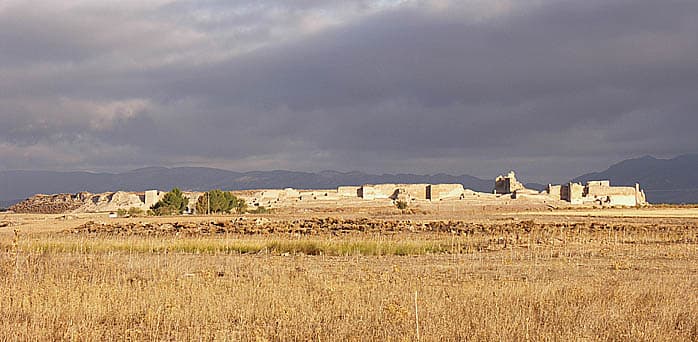
Uncover the ruins of this pivotal 12th-century stronghold that shaped the Reconquista in Spain’s La Mancha region.
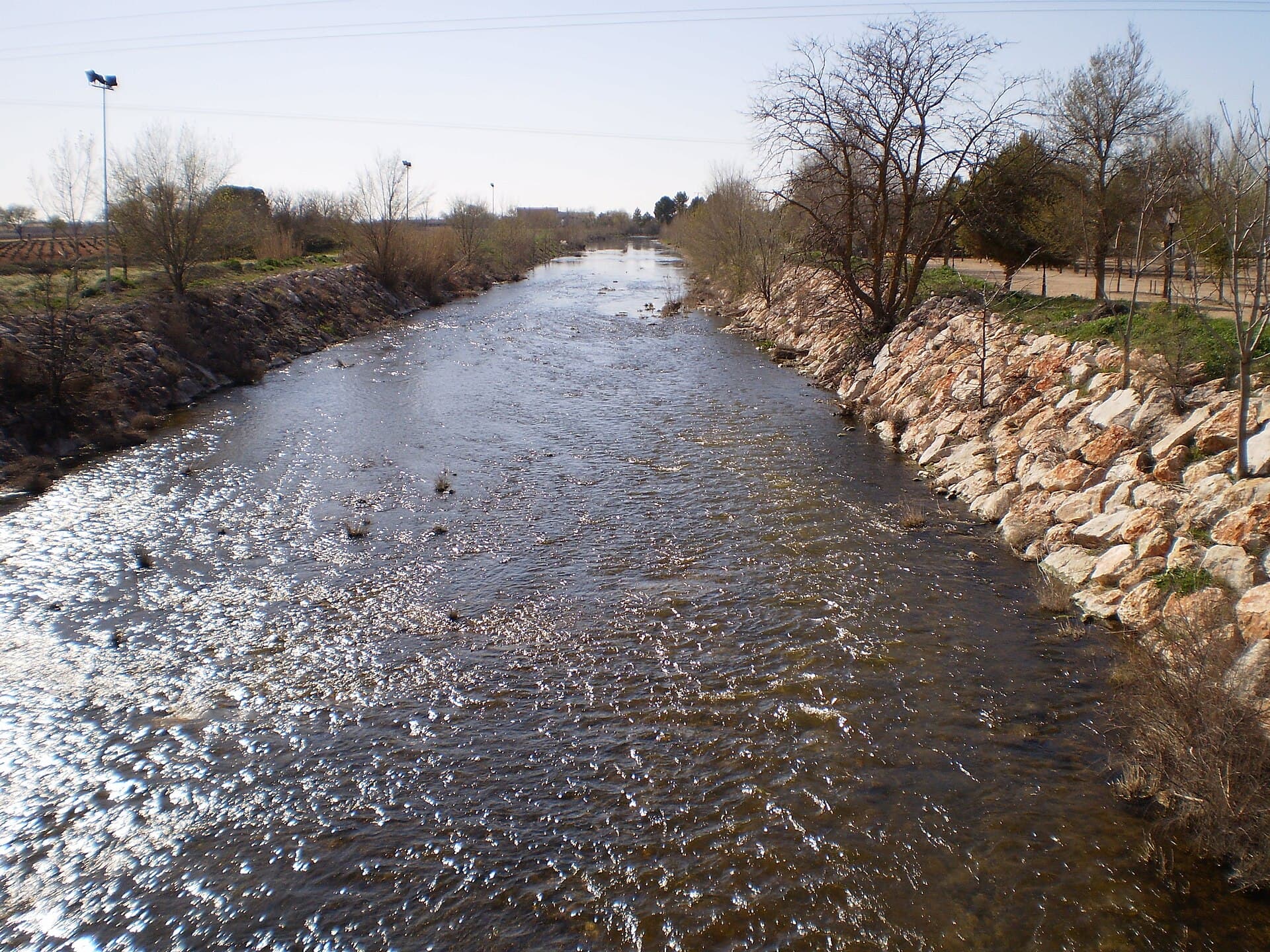
Follow the gentle course of the Záncara through historic plains, wetlands, and quiet villages of Castile-La Mancha.