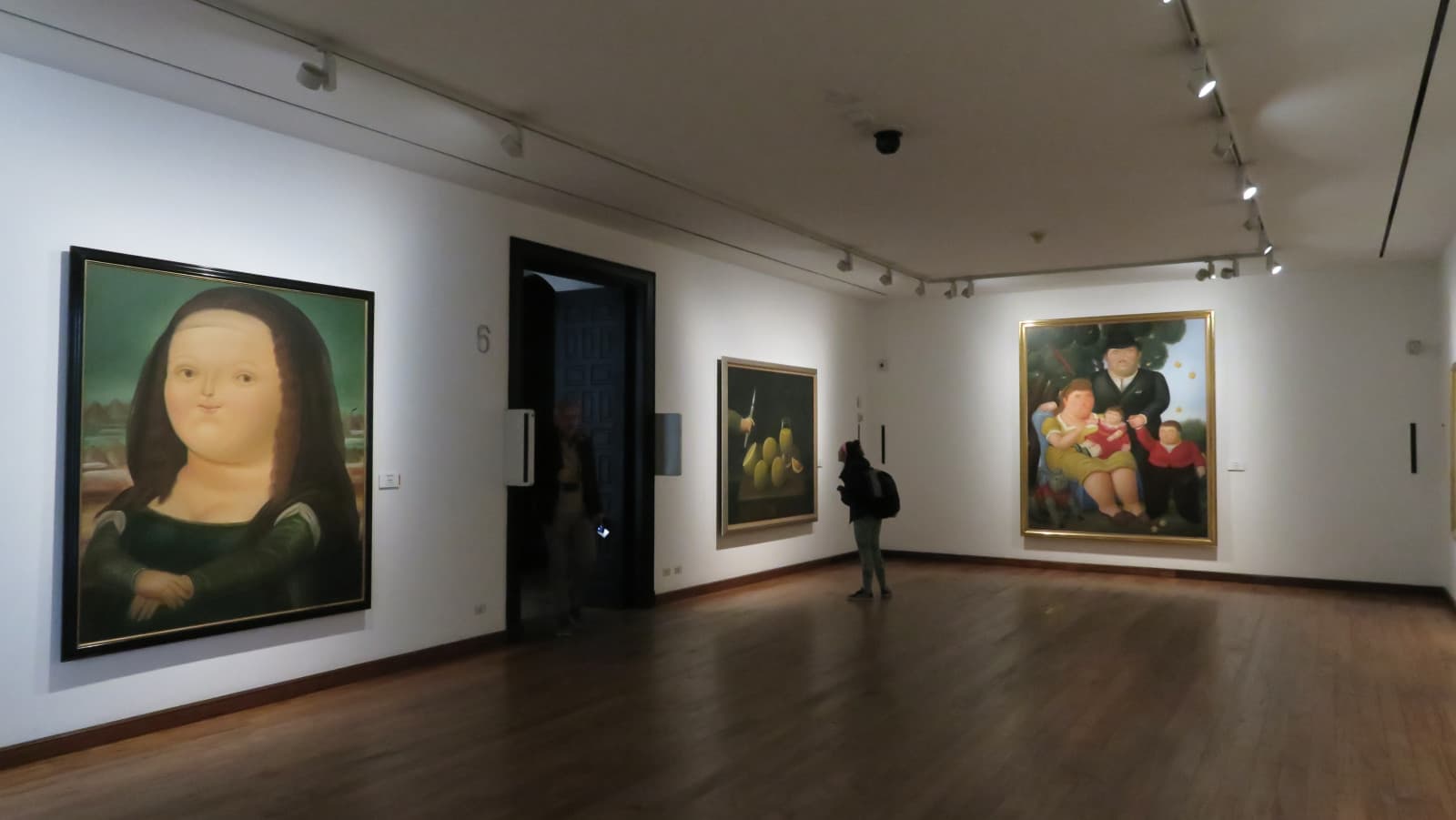
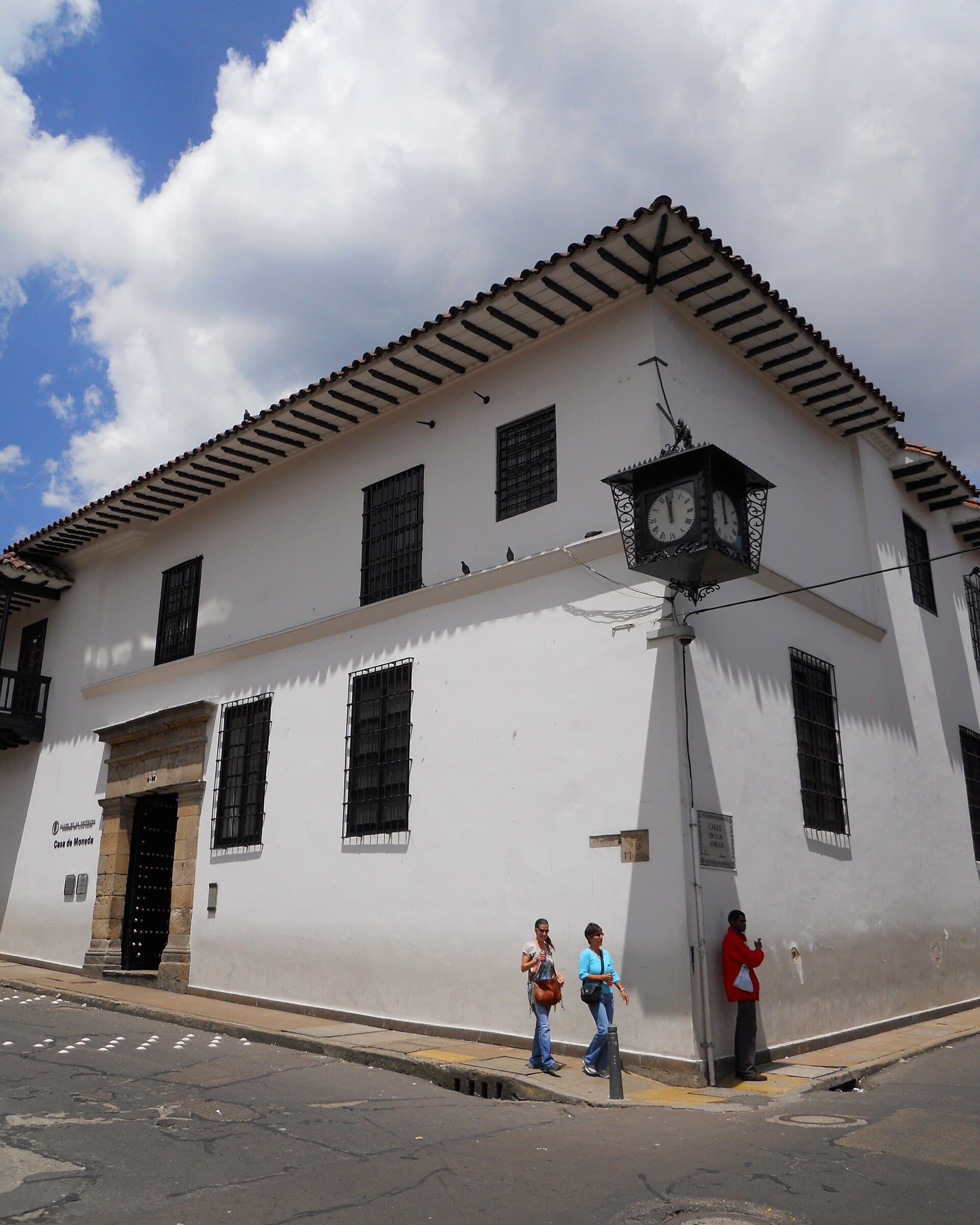
The Botero Museum showcases the distinctive style of Fernando Botero, whose inflated figures and sensuous forms have become icons of Latin American art. Housed in a restored colonial mansion in the La Candelaria district, the museum offers an unusually personal encounter with more than 100 works by the artist himself plus a strong supporting collection of international masters he donated.
Why the Botero Museum Stands Out
Unlike larger institutions, this museum feels like a private home where monumental paintings and bronze sculptures share space with intimate drawings. Botero’s signature technique—exaggerating volume to emphasize form—appears across still lifes, bullfight scenes, and political subjects that comment on Colombian history without descending into literalism. The permanent collection also includes pieces by Picasso, Monet, and Dalí, creating unexpected dialogues between Botero’s aesthetic and 20th-century European masters.
What to See and Do
Ground-Floor Sculpture Garden
Large bronze figures occupy the central courtyard and surrounding rooms, inviting visitors to walk around each piece and notice how light shifts across their smooth surfaces. The scale feels immediate rather than overwhelming.
Upper Galleries
Paintings and works on paper fill the second floor. Look for the series depicting everyday Colombian life—families at the table, musicians, and street vendors—rendered with Botero’s characteristic warmth and subtle social observation.
Temporary Exhibitions
Rotating shows often highlight contemporary Colombian artists, providing context for Botero’s ongoing influence on the national scene.
How to Get There
The museum sits within easy walking distance of Plaza de Bolívar in the pedestrian-friendly La Candelaria neighborhood. Use the TransMilenio system to reach the Museo del Oro or Las Aguas stations, then continue on foot through the colonial streets. Taxis and ride-hailing apps drop visitors directly at the entrance on Calle 11.
Best Time to Visit
Bogotá’s mild climate makes the museum comfortable year-round. Mornings tend to be quieter before tour groups arrive, while late afternoons offer softer natural light in the sculpture spaces. Weekdays generally provide a more contemplative experience than weekends.
Nearby Attractions
Combine the visit with the Museo del Oro’s pre-Columbian treasures just a few blocks away, the Catedral Primada on Plaza de Bolívar, or a stroll along the colorful streets of La Candelaria lined with cafés and bookshops. The neighborhood’s steep hills reward those who explore on foot.