Why the Bogotá Botanical Garden Matters
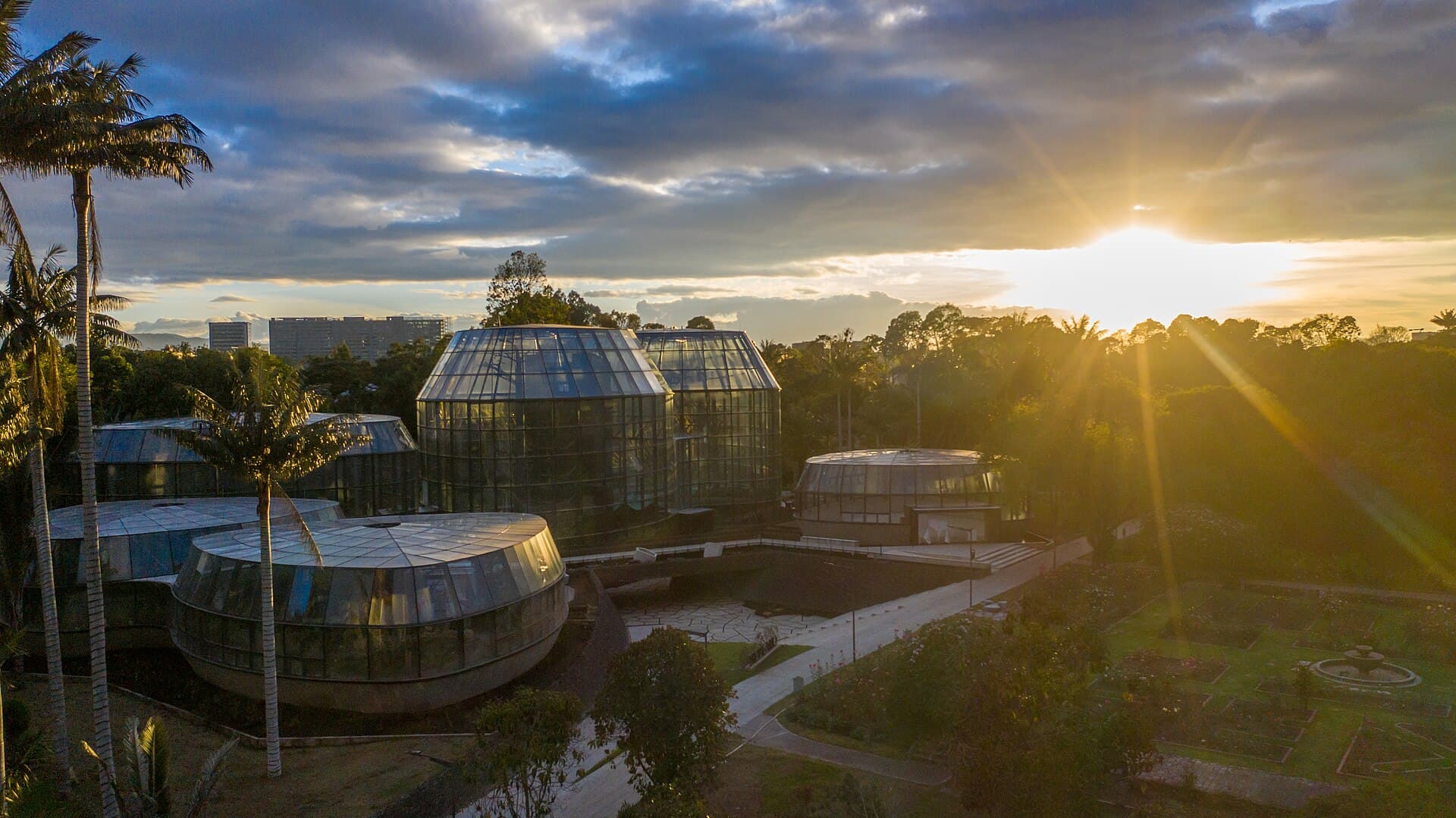
Spanning 20 hectares in the Engativá district, the José Celestino Mutis Botanical Garden preserves thousands of Colombian plant species, many endemic to the Andean highlands. It serves as both a living museum and active research center focused on conservation, making it an essential stop for anyone interested in the country’s extraordinary biodiversity beyond the more famous rainforests.
What to See and Do
Key Collections
Begin in the orchid house, home to hundreds of native species that bloom in rotating displays throughout the year. Adjacent temperate greenhouses shelter cloud-forest plants and carnivorous species, while the outdoor systematic garden arranges plants by botanical family so visitors can compare forms and adaptations. The medicinal plant section highlights traditional uses by indigenous communities, and the páramo replica demonstrates the unique high-altitude ecosystem that supplies much of Bogotá’s water.
Paths and Experiences
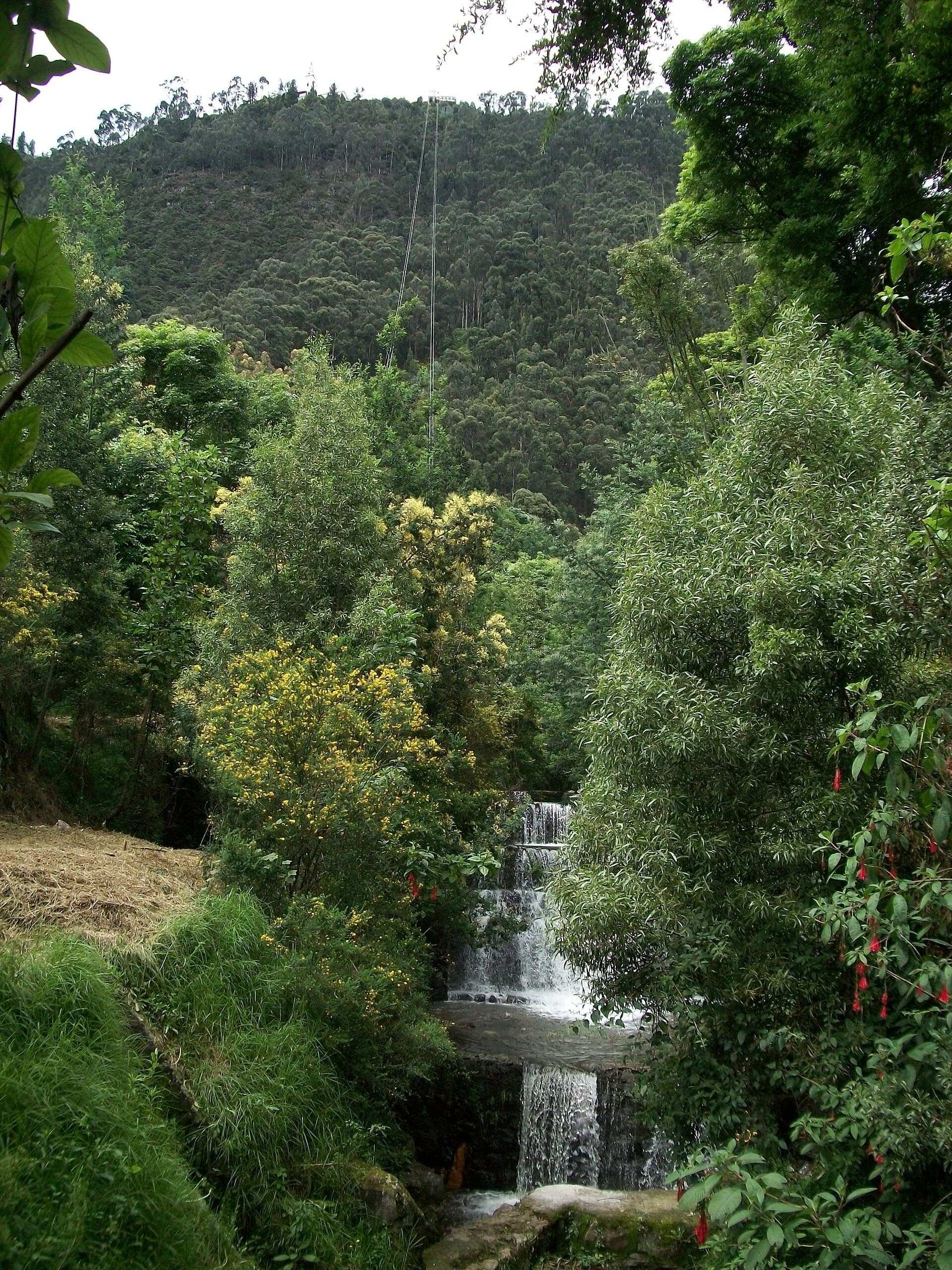
Well-marked trails wind through palm groves, bamboo stands, and a small lake that attracts local birdlife. Educational signage is in Spanish and English; self-guided maps are available at the entrance. Occasional weekend workshops cover topics such as seed propagation and urban gardening.
Getting There
The garden lies near Avenida Boyacá and Calle 63, easily reached by TransMilenio to the Avenida 68 station followed by a short taxi or bus ride. Many visitors combine the trip with a walk through adjacent Simón Bolívar Park. Taxis and ride-hailing apps provide the most straightforward access from the historic center or northern neighborhoods.
Best Time to Visit
Bogotá’s mild climate makes the garden pleasant year-round, though mornings are clearest. The dry season from December to March offers the driest paths and most reliable orchid blooms, while the green season brings lush growth and fewer crowds on weekdays. Early arrival avoids school groups that typically visit mid-morning.
Nearby Attractions
After your visit, explore the free public spaces of Parque Simón Bolívar for cycling and picnics, or continue to the Maloka interactive science museum. The garden’s location also places it within reach of several university campuses known for their own smaller botanical displays.