Why Visit the Bogotá Museum of Modern Art
The Bogotá Museum of Modern Art, known locally as MAMBO, stands as a vital center for 20th- and 21st-century Colombian and Latin American art. Its permanent collection highlights key figures such as Alejandro Obregón, Beatriz González, and Feliza Bursztyn, whose works explore themes of identity, conflict, and urban life. Temporary exhibitions frequently bring in international artists, creating a dynamic program that reflects Bogotá’s evolving cultural voice.
Highlights of the Collection and Exhibitions
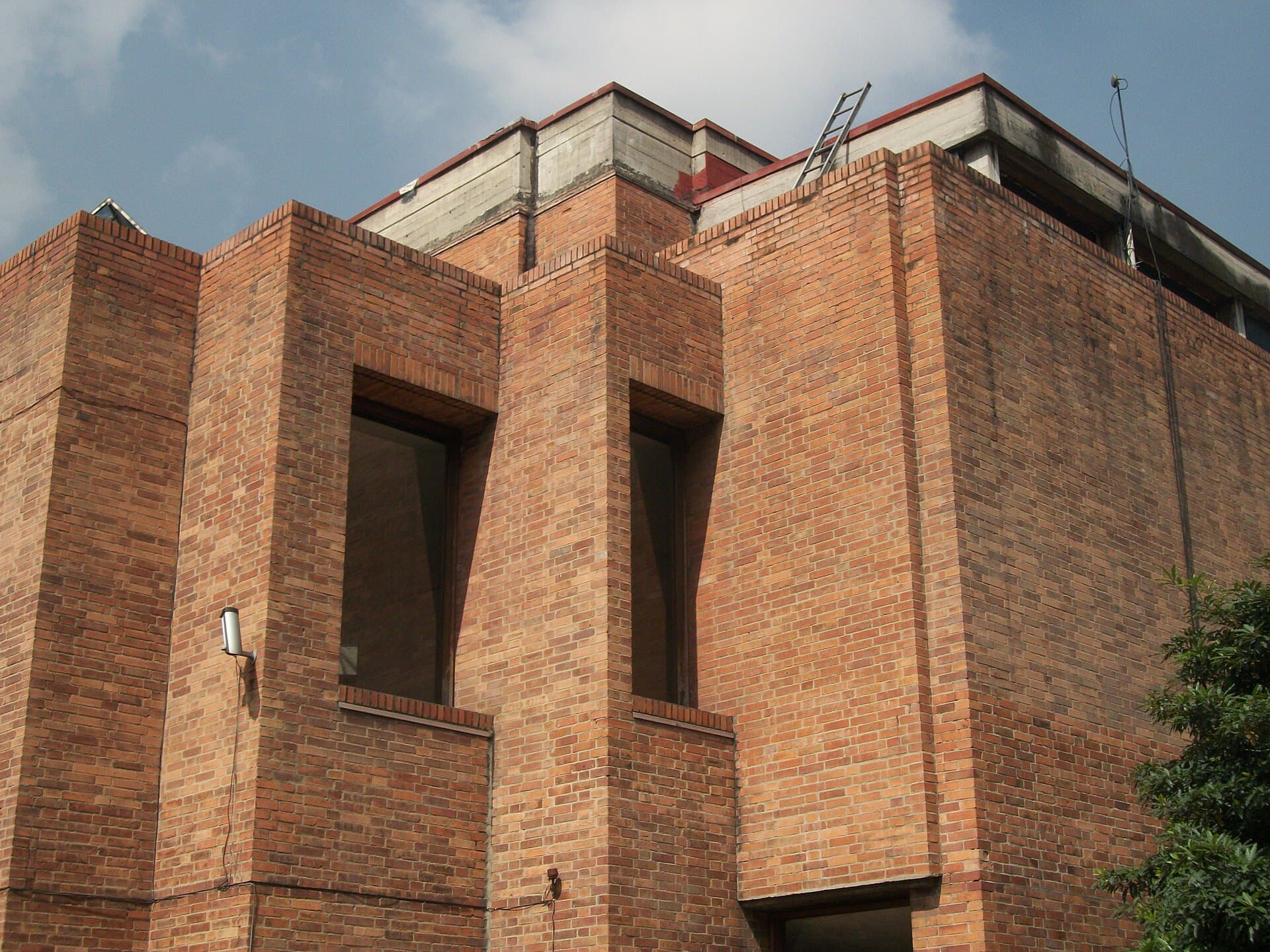
Visitors encounter large-scale paintings, experimental installations, and video works that address Colombia’s social history without overwhelming the viewer. The museum’s architecture, with its clean lines and open galleries, allows natural light to interact with the art, especially in the upper floors where skylights illuminate sculptural pieces. Rotating shows often occupy the ground-level spaces, ensuring repeat visits reveal new perspectives on current artistic trends.
Getting There and Practical Orientation
Located near the historic center, MAMBO sits within easy reach of Bogotá’s main public transport lines. The TransMilenio system stops nearby, and many travelers combine the visit with a walk through La Candelaria’s colonial streets. Taxis and ride-share services provide direct access from northern neighborhoods, while the surrounding area offers pedestrian routes past street art and independent bookstores.
Best Time to Visit
The dry months from December to March and July to August generally offer clearer skies and more comfortable walking conditions around the museum. Cultural events such as the city’s art week in October often coincide with special programming, drawing both locals and international visitors. Weekday mornings tend to be quieter, allowing more time to linger in front of major works.
Nearby Attractions Worth Combining
After exploring MAMBO, many visitors continue to the nearby Botero Museum to view Fernando Botero’s generous figurative paintings and sculptures. The Gold Museum, just a short walk away, provides context on pre-Columbian craftsmanship that influenced later modern artists. Street-level cafés and small plazas in the historic district offer places to reflect on the morning’s exhibitions while sampling local coffee and pastries.