Skip to content
Plan & Tour
DestinationsItinerariesTravel BlogAboutContact
0Sign inPlan a trip
Plan & TourPlan & Tour

Travel guides, destination inspiration and curated itineraries for Canada, the USA and beyond, plus a free tool to plan your own day-by-day trip.

Get travel inspiration

Explore

  • All Destinations
  • Curated Itineraries
  • Travel Blog
  • Plan a Trip

Topics

  • Hiking & Nature
  • Food & Drink
  • City Breaks
  • Budget Travel

Company

  • About Us
  • Contact
  • Privacy Policy
  • Terms of Service

© 2026 Plan & Tour. Built for travellers.

Discover the world, one trip at a time.

Museo Casa de Moneda: Tracing Colombia’s Currency Heritage in Bogotá’s Historic Mint
  1. Home
  2. Destinations
  3. Bogotá
  4. Museo Casa de Moneda: Tracing Colombia’s Currency Heritage in Bogotá’s Historic Mint
Museum

Museo Casa de Moneda: Tracing Colombia’s Currency Heritage in Bogotá’s Historic Mint

Step inside the preserved 18th-century mint to follow the evolution of Colombian coins, banknotes, and the machinery that shaped the nation’s economy.

BogotáUpdated 26 November 2026

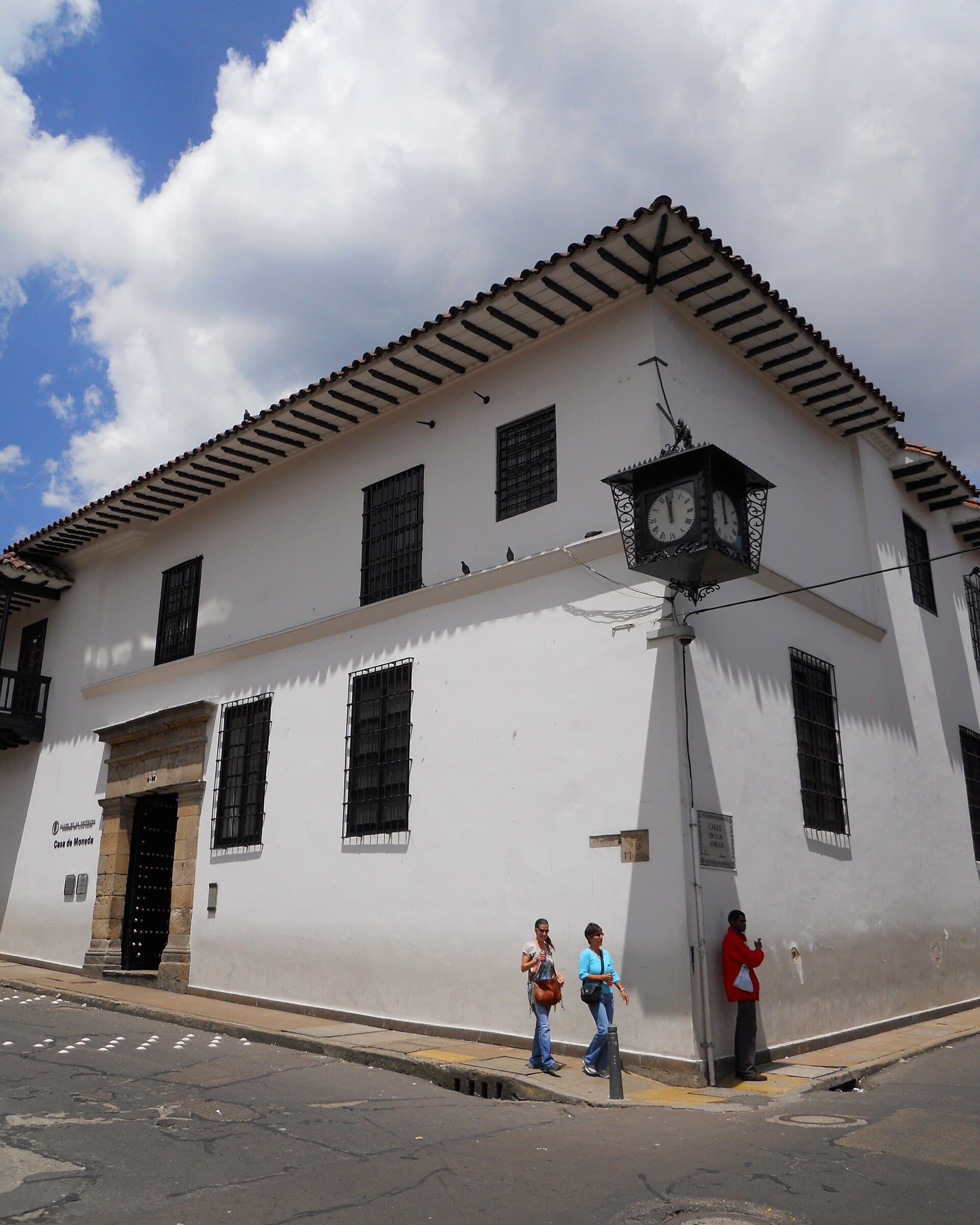
The Old Mint in La Candelaria

Built in 1759 as the Royal Mint of the New Kingdom of Granada, Museo Casa de Moneda occupies the very building where silver and gold coins were struck for the Spanish crown. Today the restored workshops, presses, and engraving rooms form a compact yet detailed museum that reveals how money was literally made in Bogotá. The location in the colonial heart of the city makes it an easy stop when exploring the surrounding cobbled streets.

What to See Inside

Visitors walk through sequential rooms that follow the coin-production process from ore to finished piece. Original coining presses from the 1700s stand beside later 19th-century steam equipment, showing the shift from manual to mechanized minting. Display cases hold rare colonial silver reales, the first republican pesos, and intricate banknote plates. A highlight is the collection of coin dies and engraving tools once used by local artisans; explanatory panels explain how designs incorporated national symbols after independence. Temporary exhibitions often focus on contemporary numismatic art or the role of currency during Colombia’s economic transformations.

Visitor Experience

The museum is deliberately low-tech, relying on the authenticity of the architecture and objects rather than interactive screens. Expect dim lighting in the old workrooms to protect the artifacts and a quiet atmosphere that rewards slow observation. English labels accompany most Spanish texts, and short videos in both languages demonstrate the striking process.

Getting There and Orientation

The museum sits on Calle 11 between Carrera 4 and 5, a short walk from the TransMilenio station at Las Aguas or a ten-minute taxi ride from the historic center’s main plazas. Street parking is scarce, so public transport or ride-hailing apps are preferable. The surrounding neighborhood offers cafés and small bookshops that make pleasant pre- or post-visit stops.

Best Time to Visit

Bogotá’s dry season from December to March brings clearer skies and milder afternoons, ideal for combining the indoor museum with outdoor walking tours. Weekday mornings are quieter, allowing more time to examine the machinery without crowds. The museum fits naturally into a half-day itinerary that also includes the nearby Museo del Oro and Casa de Nariño.

Nearby Attractions Worth Pairing

  • Museo del Oro – five blocks away, offering a complementary look at pre-Columbian metalwork.
  • Botero Museum – a short stroll through Plaza de Bolívar, featuring Fernando Botero’s generous figures.
  • Iglesia de San Francisco – the oldest surviving church in the city, located two blocks north.

These sites together illustrate Bogotá’s layered history from indigenous metallurgy through colonial wealth to modern artistic expression.

Visitor tips

  • Allow at least ninety minutes; the compact layout rewards careful reading of the labels rather than a quick pass-through.
  • Combine the visit with the Gold Museum and Botero Museum to create a focused half-day cultural loop without excessive travel time.
  • Wear comfortable shoes; the cobblestone streets around the museum can be uneven, especially after rain.

Frequently asked questions

How long does a typical visit last?+

Most visitors spend one to two hours exploring the permanent collection and any temporary exhibitions.

Is the museum suitable for children?+

School-age children interested in history or mechanical processes usually enjoy the old presses and coin dies; younger visitors may need adult guidance to stay engaged.

Are guided tours available?+

Occasional free tours in Spanish are offered on weekends; English tours can sometimes be arranged in advance through the museumu2019s education department.

What other museums are within walking distance?+

Museo del Oro, the Botero Museum, and the Colonial Museum are all within a ten-minute walk, making the area ideal for a museum cluster visit.

Is photography permitted inside?+

Non-flash photography is allowed in most areas; restrictions apply only to certain temporary exhibits where signs indicate otherwise.

Share
Google Maps Apple Maps Directions

Visitor info

Official website

Contact info via Wikidata

Image: Felipe Restrepo Acosta · CC BY 3.0 · via Wikimedia Commons

Keep reading

Nearby & related

All stories
I
Bogotá

International Charismatic Mission Church: Bogotá’s Vibrant Megachurch Experience

Experience powerful worship, community, and the scale of one of Colombia’s largest charismatic congregations in Bogotá.

27 November 2026
San Francisco River: Bogotá’s Scenic Urban Waterway
Bogotá

San Francisco River: Bogotá’s Scenic Urban Waterway

Follow the gentle flow of the San Francisco River through Bogotá for nature, history, and city views.

27 November 2026
Basílica del Sagrado Corazón de Jesús: Bogotá’s Neo-Gothic Sanctuary
Bogotá

Basílica del Sagrado Corazón de Jesús: Bogotá’s Neo-Gothic Sanctuary

Explore the soaring arches, luminous stained glass, and quiet devotion inside this landmark basilica in Chapinero.

27 November 2026