
Keep reading
Nearby & related
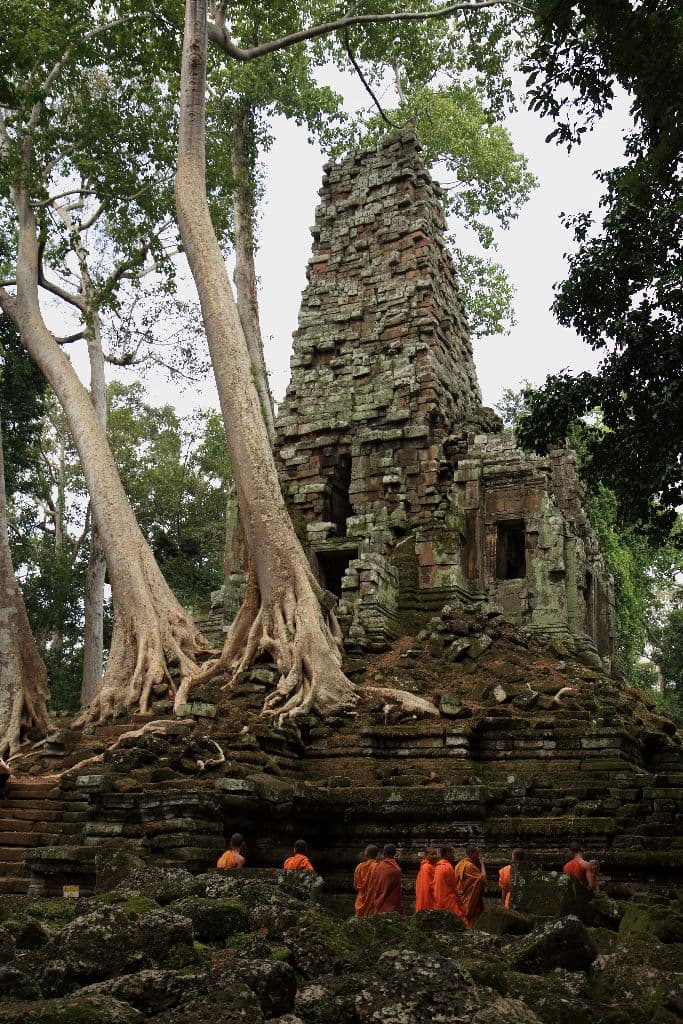
Preah Palilay: A Quiet Buddhist Sanctuary Amid the Angkor Ruins
Discover the distinctive late-12th-century temple with its soaring tower and serene atmosphere inside Siem Reap’s Angkor…
19 October 2026
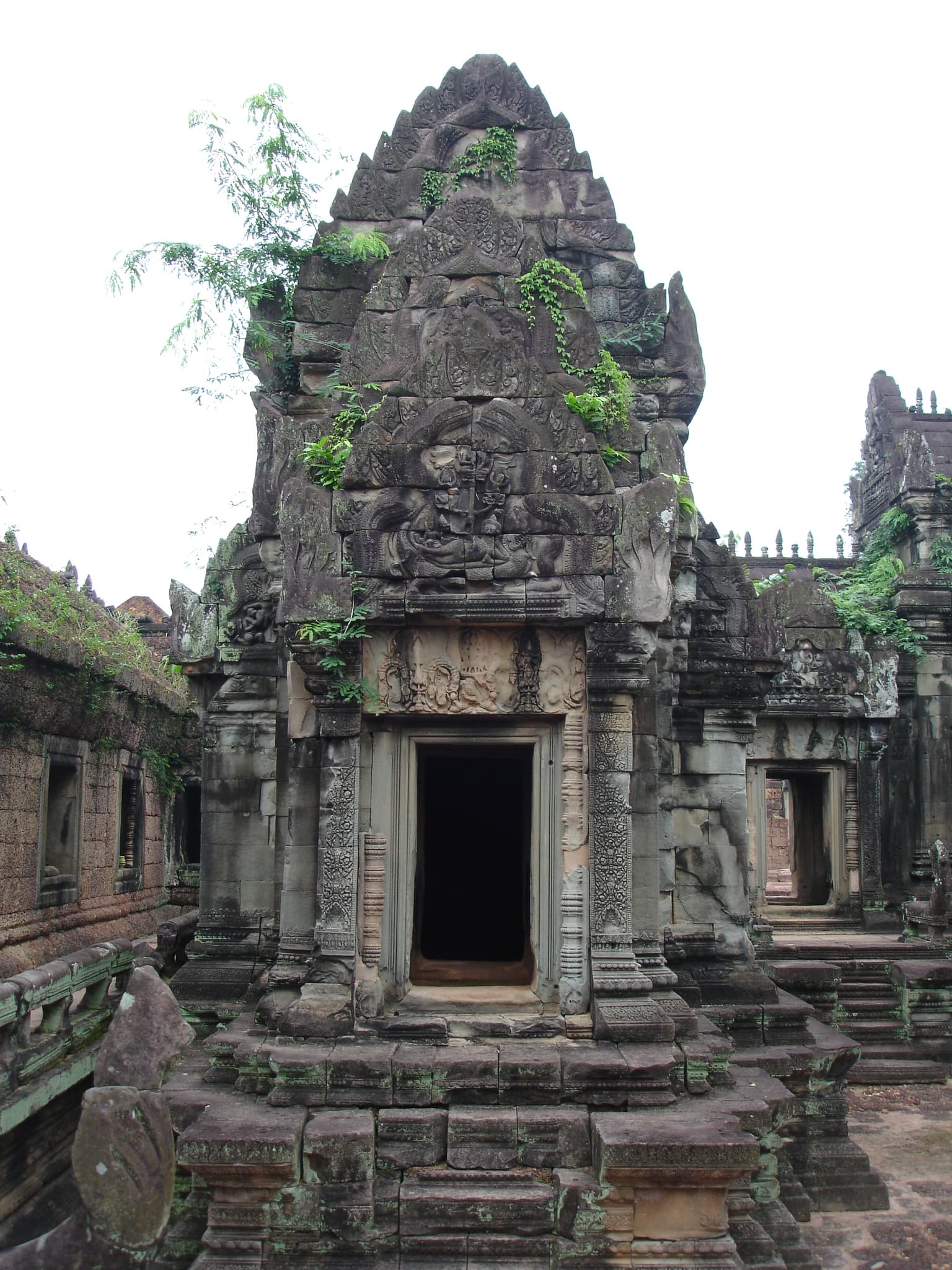
Explore the finely carved 12th-century temple that offers intricate details and fewer crowds than its famous neighbors.
Built during the reign of Suryavarman II in the mid-12th century, Banteay Samré honors Vishnu with architecture that echoes the grandeur of Angkor Wat yet remains intimate in scale. Its sandstone walls display exceptionally crisp bas-reliefs of Hindu epics, floral motifs, and guardian figures that have survived remarkably well. The temple’s isolation on the eastern edge of the Angkor plain gives visitors space to appreciate the craftsmanship without the press of tour groups.
Begin at the eastern gopura and walk the long laterite causeway lined with naga balustrades. Inside the central enclosure, examine the gallery walls for detailed scenes from the Ramayana and Mahabharata. Climb the modest staircases to the upper terraces for views across the surrounding rice fields and the distant outline of Phnom Bok. Photographers find soft light on the carvings in early morning or late afternoon. Allow at least 45 minutes to an hour to walk the full circuit at a measured pace.
Banteay Samré lies within the Angkor Archaeological Park, roughly 15 kilometers northeast of Siem Reap town. Most visitors arrive by tuk-tuk, rented bicycle, or organized temple tour. The site is reached via the road that passes the East Baray reservoir; signage is clear once inside the park. An Angkor ticket is required for entry, and the temple is typically combined with visits to nearby eastern sites on the same day.
The dry season from November to February offers the most comfortable temperatures and reliable access. Early morning visits reduce heat and provide softer light for photography. Avoid the peak midday hours during the hot season (March–May) when temperatures climb sharply. Rainy season months (June–October) bring lush surroundings but occasional flooding on access roads.
Combine a visit with the vast East Baray reservoir for quiet reflections, or continue north to the pink-sandstone temple of Banteay Srei. The Preah Khan temple complex and the jungle-clad Ta Som lie a short drive west, allowing a full day circuit of the eastern and northern Angkor sites without backtracking.
Keep reading
Discover the distinctive late-12th-century temple with its soaring tower and serene atmosphere inside Siem Reap’s Angkor…
No. The temple is included in the standard Angkor Archaeological Park pass required for all sites in the complex.
Most visitors spend 45u201360 minutes walking the galleries and terraces; allow extra time if you are photographing details.
The ground level is mostly flat, but climbing the central platform involves steep steps; families often explore the outer enclosures only.
Facilities are minimal. Plan to use services at larger nearby temples or carry supplies from Siem Reap.
Yes. Clear paths and signage make self-guided visits straightforward, though a guide enhances appreciation of the carvings.
A compact 10th-century sanctuary in Siem Reap featuring rare Vishnu carvings inside five brick towers.
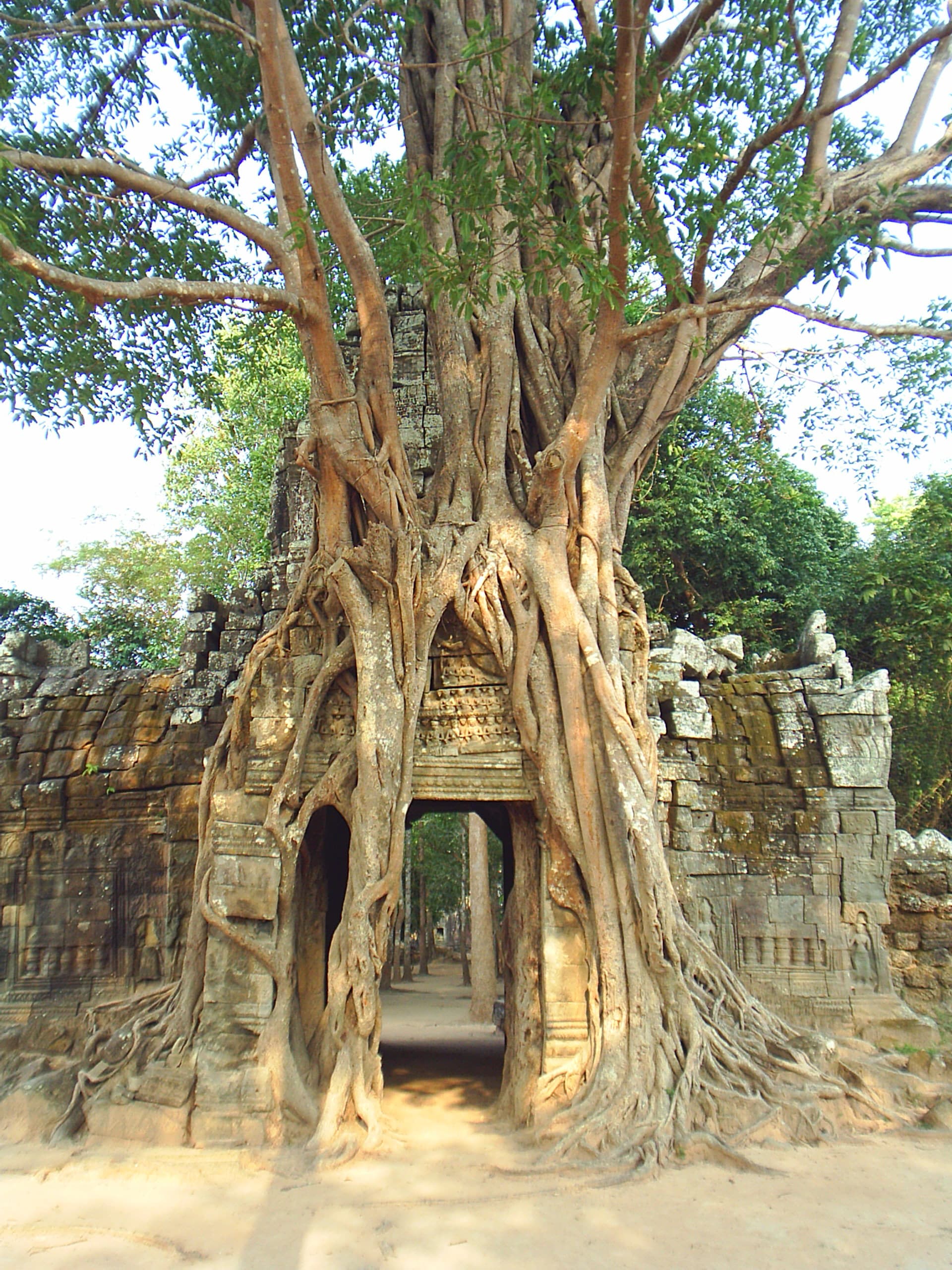
Discover the serene, tree-covered ruins of Ta Som, a lesser-visited gem in Cambodia’s Angkor Archaeological Park.
