Skip to content
Plan & Tour
DestinationsItinerariesTravel BlogAboutContact
0Sign inPlan a trip
Plan & TourPlan & Tour

Travel guides, destination inspiration and curated itineraries for Canada, the USA and beyond, plus a free tool to plan your own day-by-day trip.

Get travel inspiration

Explore

  • All Destinations
  • Curated Itineraries
  • Travel Blog
  • Plan a Trip

Topics

  • Hiking & Nature
  • Food & Drink
  • City Breaks
  • Budget Travel

Company

  • About Us
  • Contact
  • Privacy Policy
  • Terms of Service

© 2026 Plan & Tour. Built for travellers.

Discover the world, one trip at a time.

Agattu Island: A Remote Wilderness Haven in Alaska’s Aleutians
  1. Home
  2. Destinations
  3. Aleutians West Census Area
  4. Agattu Island: A Remote Wilderness Haven in Alaska’s Aleutians
Island

Agattu Island: A Remote Wilderness Haven in Alaska’s Aleutians

Experience the untouched tundra, seabird colonies, and stark beauty of Agattu, one of the western Aleutian Islands' most isolated natural sanctuaries.

Aleutians West Census AreaUpdated 13 August 2026

Discovering Agattu’s Pristine Isolation

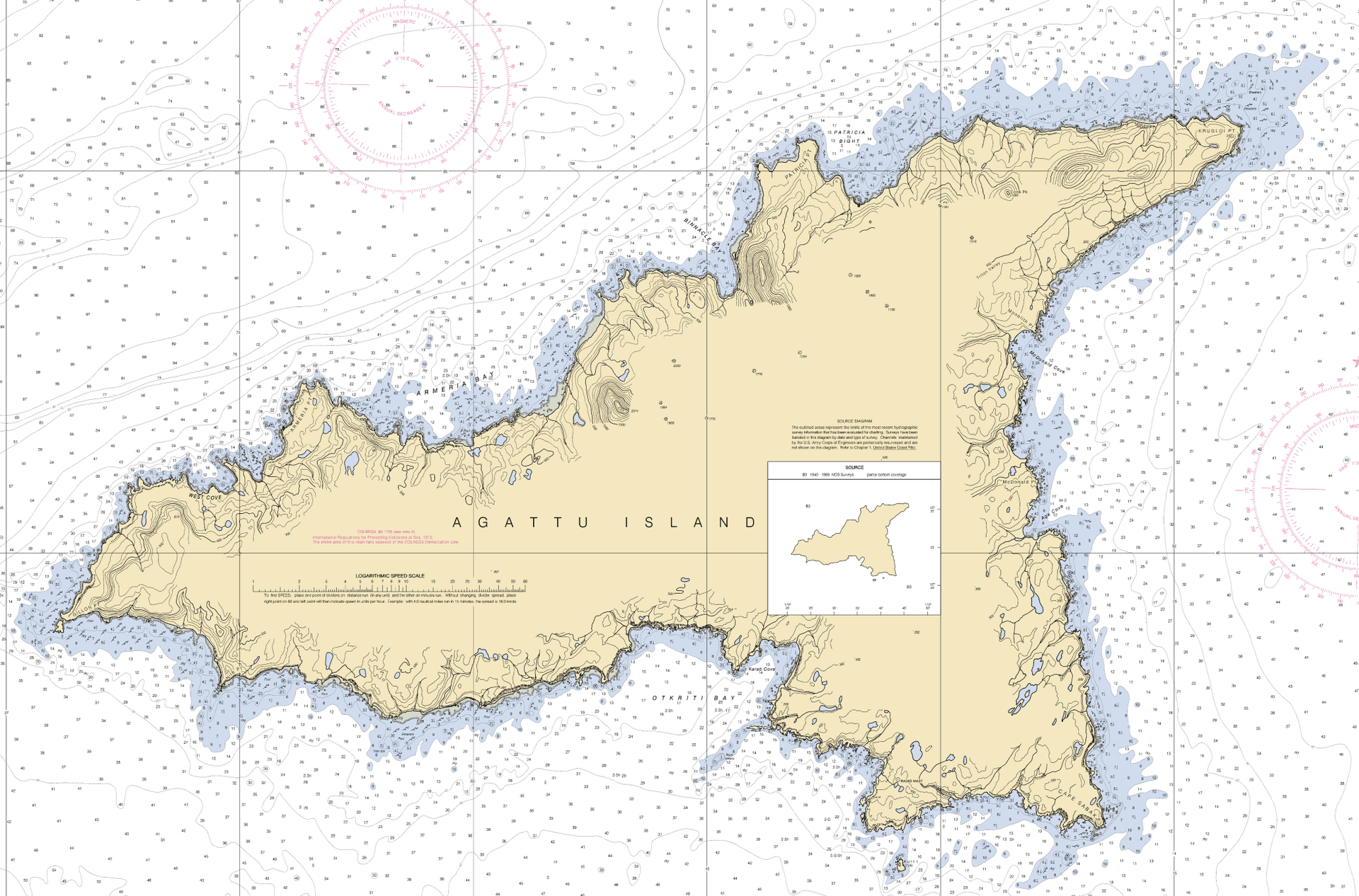
Agattu Island lies at the far western end of the Aleutian chain, a rugged expanse of volcanic terrain, coastal cliffs, and windswept tundra that remains largely untouched by modern development. As part of the Alaska Maritime National Wildlife Refuge, the island supports dense colonies of seabirds and marine mammals drawn to its nutrient-rich waters and predator-free interior in places.

Wildlife and Natural Highlights

Visitors drawn to Agattu encounter massive concentrations of auklets, puffins, and murres nesting along sheer cliffs. Sea otters, harbor seals, and Steller sea lions frequent the rocky shores, while occasional sightings of whales occur in the surrounding passages. The island’s interior features low-lying heath and meadows that bloom briefly in summer, offering a stark contrast to the surrounding North Pacific swells.

Activities and Exploration

Guided boat-based tours provide the primary way to observe wildlife without disturbing nesting sites. Kayaking in protected coves allows closer views of intertidal life, while careful hiking along established routes reveals WWII-era debris from the Aleutian campaign, now weathered into the landscape. Photography of the dramatic coastline and birdlife ranks among the most rewarding pursuits for those who make the journey.

Reaching Agattu Island

Access requires careful planning due to the island’s extreme remoteness. Most travelers begin with flights to Adak or Dutch Harbor, followed by chartered vessel or floatplane arrangements through specialized outfitters familiar with the western Aleutians. Weather windows dictate all movements, and independent travel is not feasible without local expertise and permits from the U.S. Fish and Wildlife Service.

Best Time to Visit

The brief summer season from June through early September offers the mildest conditions, longer daylight for observation, and peak seabird activity. Winter brings severe storms and ice, rendering the area inaccessible for tourism. Shoulder periods in late May or September can work for hardy travelers seeking fewer people, though services remain minimal.

Nearby Destinations

Agattu forms part of the Near Islands group alongside Attu and Shemya. Attu, farther west, draws history enthusiasts to its WWII battlefields and the westernmost point of U.S. soil. Marine routes between these islands reveal consistent opportunities for pelagic birding and marine mammal watching in the rich Bering Sea currents.

Visitor tips

  • Pack layered waterproof clothing, sturdy boots, and binoculars, as conditions change rapidly and wildlife viewing depends on clear optics.
  • Arrange all transportation and permits well in advance through licensed Aleutian outfitters, since no infrastructure exists on the island itself.
  • Practice strict Leave No Trace principles to protect sensitive seabird colonies and avoid introducing invasive species to this isolated ecosystem.

Frequently asked questions

Is Agattu Island inhabited?+

No permanent residents live on Agattu. The island serves exclusively as a wildlife refuge with occasional scientific or management visits.

What permits do I need to visit Agattu?+

Access requires special use permits from the Alaska Maritime National Wildlife Refuge; independent travel is prohibited and all visits must be arranged through authorized operators.

Can I camp on Agattu Island?+

Overnight stays are extremely limited and only possible under permitted guided expeditions due to the lack of facilities and strict conservation rules.

Are there any facilities or trails on Agattu?+

The island offers no maintained trails, visitor centers, or services. Exploration occurs only via boat or on foot with expert guides who know safe routes.

What makes Agattu different from other Aleutian islands?+

Its position in the westernmost Near Islands group, combined with large undisturbed seabird colonies and minimal human history, sets it apart as one of the most pristine and difficult-to-reach locations in the chain.

Share
Google Maps Apple Maps Directions

Image: U.S. Government · Public domain · via Wikimedia Commons

Keep reading

Nearby & related

All stories
Kiska: Remote WWII History and Wild Aleutian Island Adventures
Aleutians West Census Area

Kiska: Remote WWII History and Wild Aleutian Island Adventures

Kiska offers rare access to preserved WWII battlefields amid volcanic terrain and abundant seabird colonies in Alaska’s…

13 August 2026
Atka Island: Remote Wilderness and Aleutian History in Alaska
Aleutians West Census Area

Atka Island: Remote Wilderness and Aleutian History in Alaska

Experience the rugged isolation, seabird colonies, and World War II remnants of this far-flung Aleutian island.

13 August 2026
Amchitka Island: Remote Wilderness and Cold War History in Alaska’s Aleutians
Aleutians West Census Area

Amchitka Island: Remote Wilderness and Cold War History in Alaska’s Aleutians

Explore the rugged, uninhabited Aleutian island shaped by volcanic forces, seabird colonies, and a legacy of nuclear…

13 August 2026