Why Visit Atna Peaks
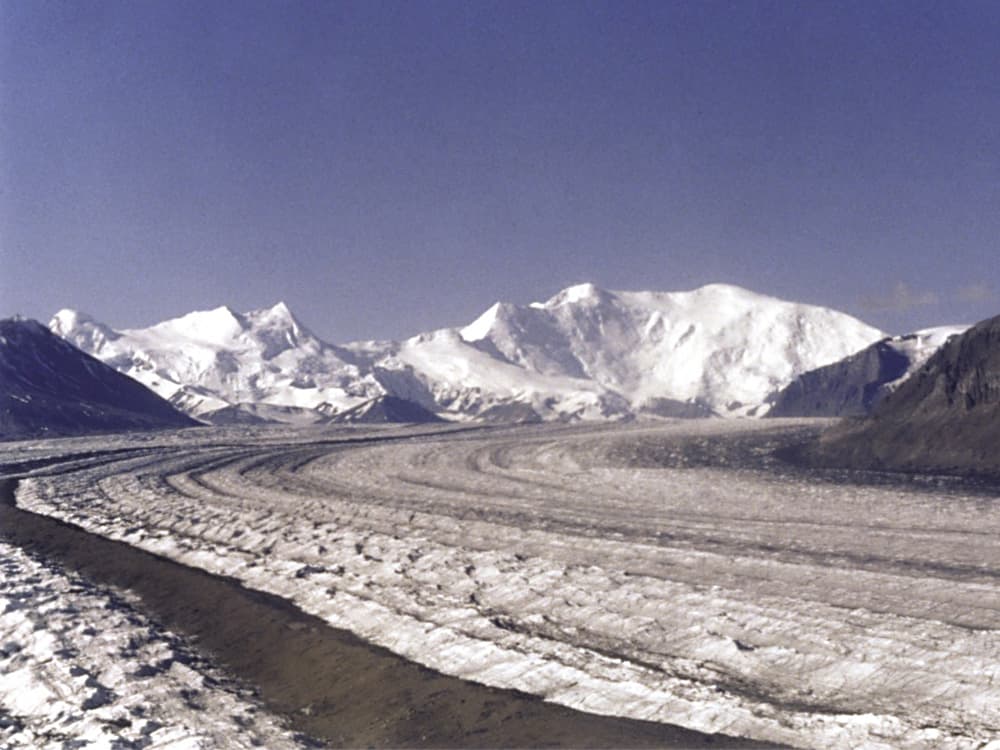
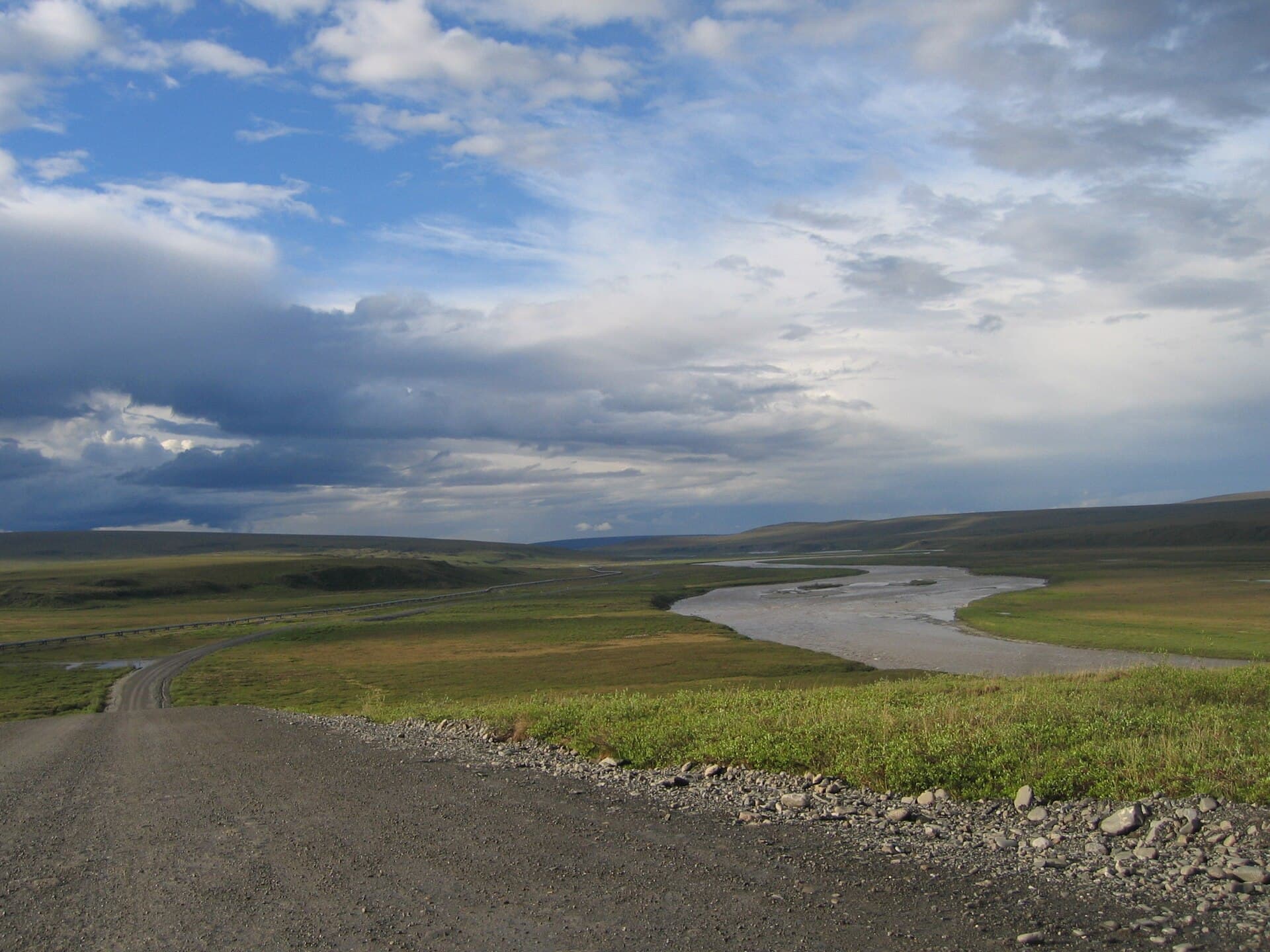
Atna Peaks rise in the remote Wrangell Mountains of eastern Alaska, offering a true wilderness experience far from developed trails or crowds. The twin summits sit within Wrangell-St. Elias National Park and Preserve, surrounded by glaciers, braided rivers, and vast tundra. Visitors come for solitude, wildlife sightings, and the challenge of off-trail travel across high plateaus and ridgelines.
Getting There
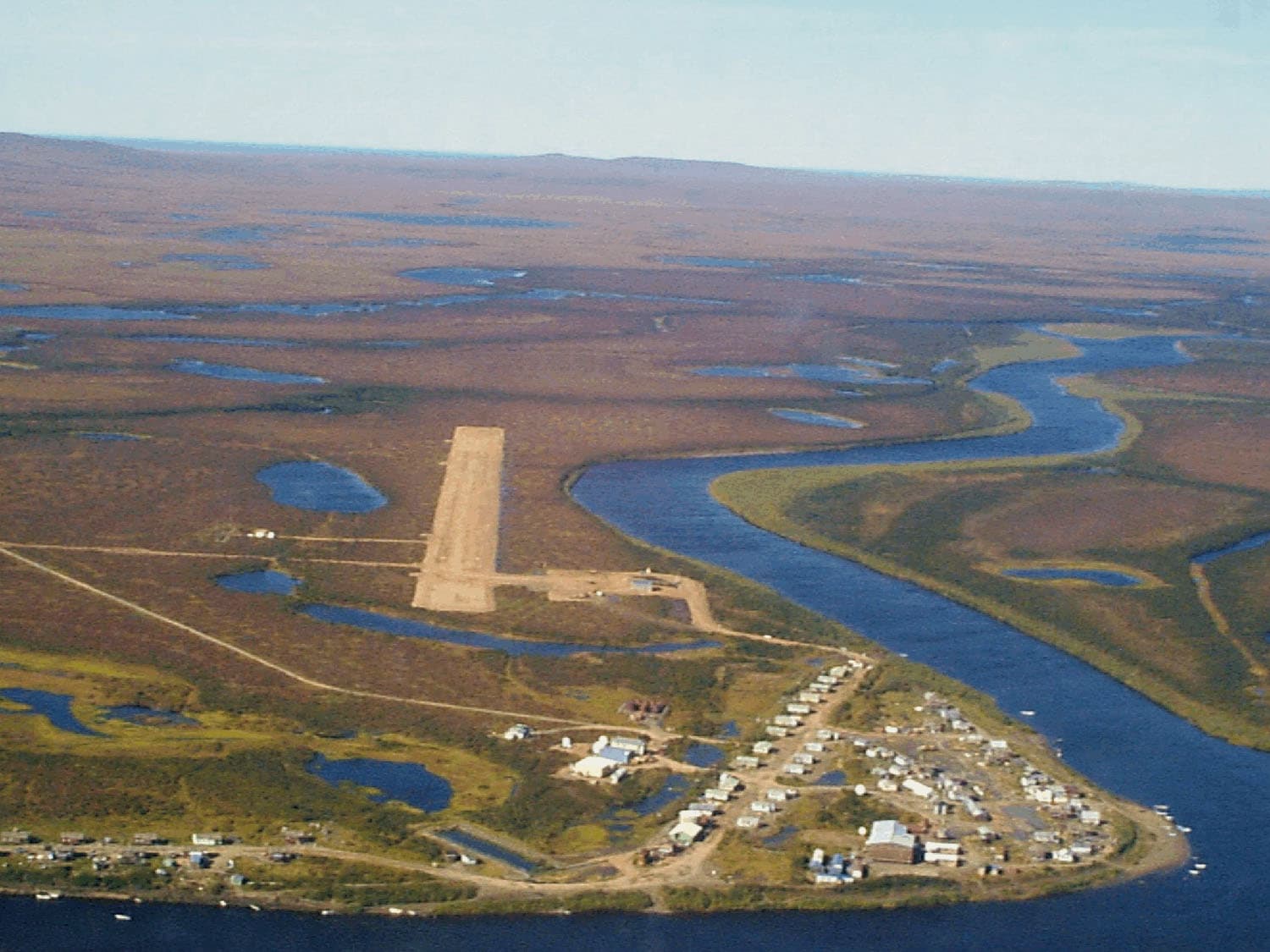
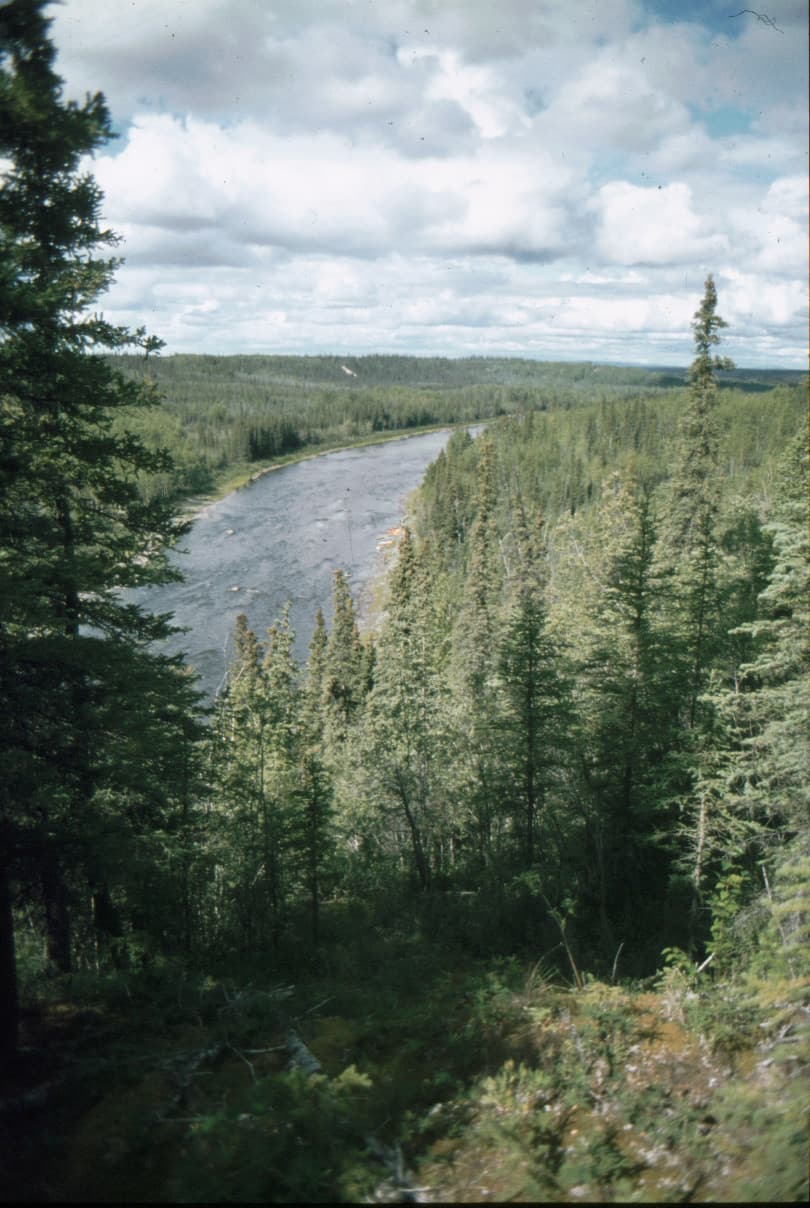
Access begins with a flight to Anchorage or the small airport in Cordova. From there, travelers arrange bush-plane charters to landing strips near the Copper River or Chitina. A multi-day hike or river crossing leads into the Atna drainage; no roads reach the peaks themselves. Experienced visitors often combine floatplane drop-offs with packrafting returns down the Copper River.
Best Time to Visit
July and August provide the longest daylight, driest trails, and easiest river crossings. Snow lingers into June on higher slopes, while September brings early frost and shorter days. Winter travel requires skis, avalanche awareness, and extreme cold preparation.
Things to Do
Day hikes from base camps lead to panoramic viewpoints overlooking the peaks and surrounding icefields. Longer traverses cross high passes toward neighboring summits. Anglers cast for grayling in clear streams, and photographers capture caribou herds and Dall sheep on open slopes. Climbing routes range from moderate snow slopes to technical rock and ice on the north faces.
Wildlife and Safety
Keep a respectful distance from bears, wolves, and moose. Carry bear spray and practice proper food storage. Cell service is nonexistent; carry a satellite communicator and file a detailed itinerary with park rangers.
Nearby Attractions
Combine a trip with visits to the historic Kennecott Mines, the massive Kennicott Glacier, or the scenic drive along the Edgerton Highway. McCarthy offers rustic lodging and air-taxi services for onward travel into the park’s interior.