Why Visit Amak Volcano
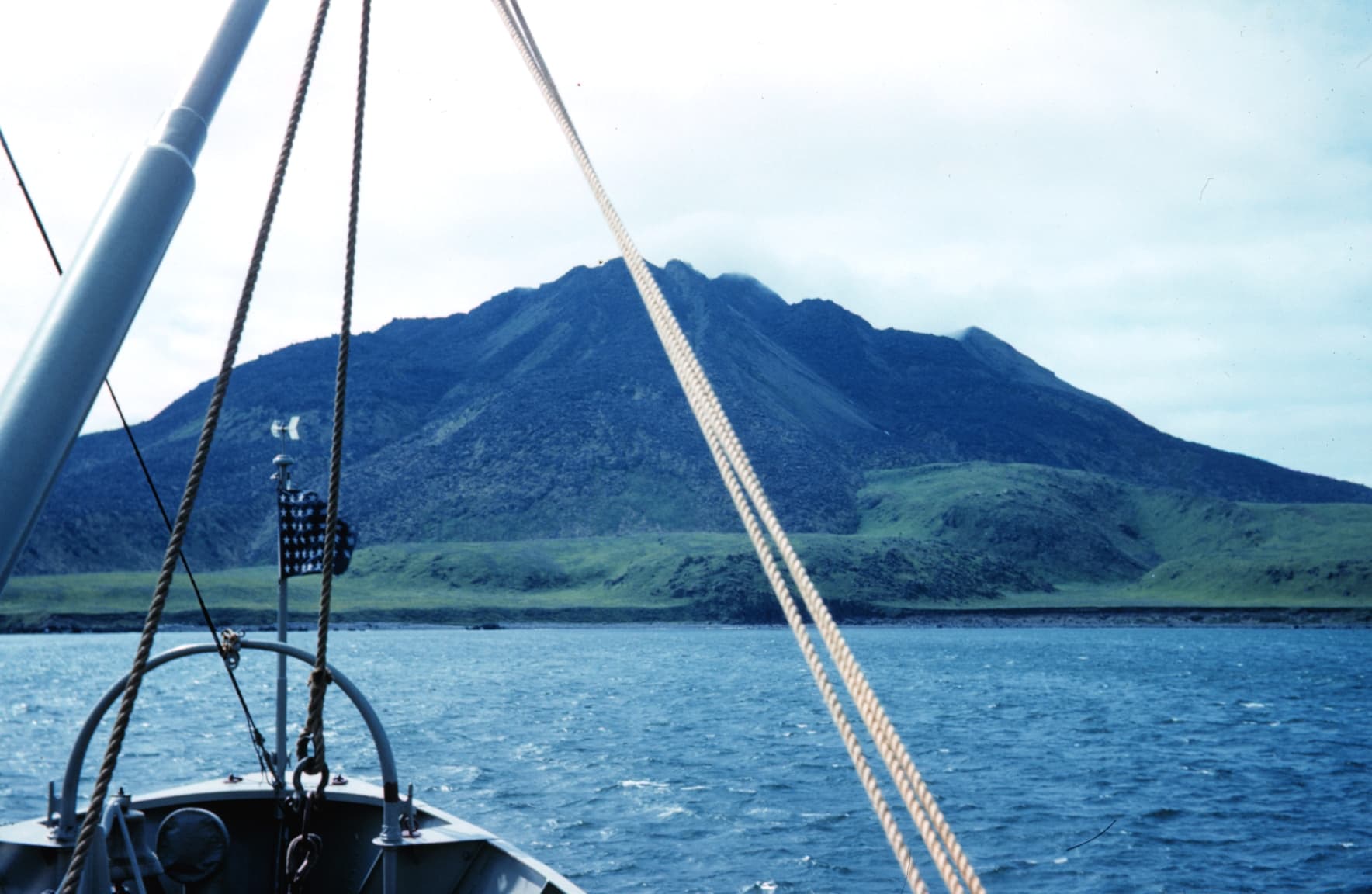
Amak Volcano rises from the tiny, uninhabited Amak Island in the eastern Aleutian chain, offering adventurous travelers one of Alaska’s most isolated volcanic experiences. The cone reaches roughly 1,700 feet and dominates a landscape of tundra, rocky shores, and dramatic sea cliffs. Visitors come for the raw wilderness, frequent marine mammal sightings, and the chance to stand on an active volcanic island far from any roads or crowds.
How to Get There
Access begins with a flight to Cold Bay on the Alaska Peninsula. From there, charter boats or small aircraft provide the only practical routes to Amak Island, roughly 30 miles offshore. Most travelers arrange multi-day boat trips through local operators based in Cold Bay or False Pass. Weather and sea conditions dictate all schedules, so flexible itineraries are essential.
Best Time to Visit
Late spring through early fall offers the longest daylight and mildest temperatures, though fog and wind remain constant. June and July bring peak seabird nesting activity on the island’s cliffs. Winter visits are nearly impossible due to ice and storms.
What to See and Do
Hiking the volcano’s lower slopes rewards visitors with sweeping views of the Bering Sea and nearby Unimak Island. The terrain is steep and unmarked, so route-finding skills are necessary. Along the shoreline, look for harbor seals, sea otters, and occasional Steller sea lions hauled out on rocks. Birders can observe nesting puffins, murres, and kittiwakes from the water or safe cliff edges. Camping is possible on gravel beaches, but visitors must practice strict Leave No Trace principles and carry all supplies.
Nearby Destinations
Many expeditions combine Amak with stops at Izembek National Wildlife Refuge on the mainland for caribou and waterfowl viewing, or with boat passages along Unimak Island’s volcanic coast. The entire region lies within the Alaska Maritime National Wildlife Refuge, emphasizing its protected status and ecological importance.
Practical Considerations
Travelers need full self-sufficiency: satellite communication, bear-resistant food storage, and layers for sudden temperature drops. No facilities exist on the island. Permits may be required for refuge access; check current regulations before departure.