Why Visit Amak Island
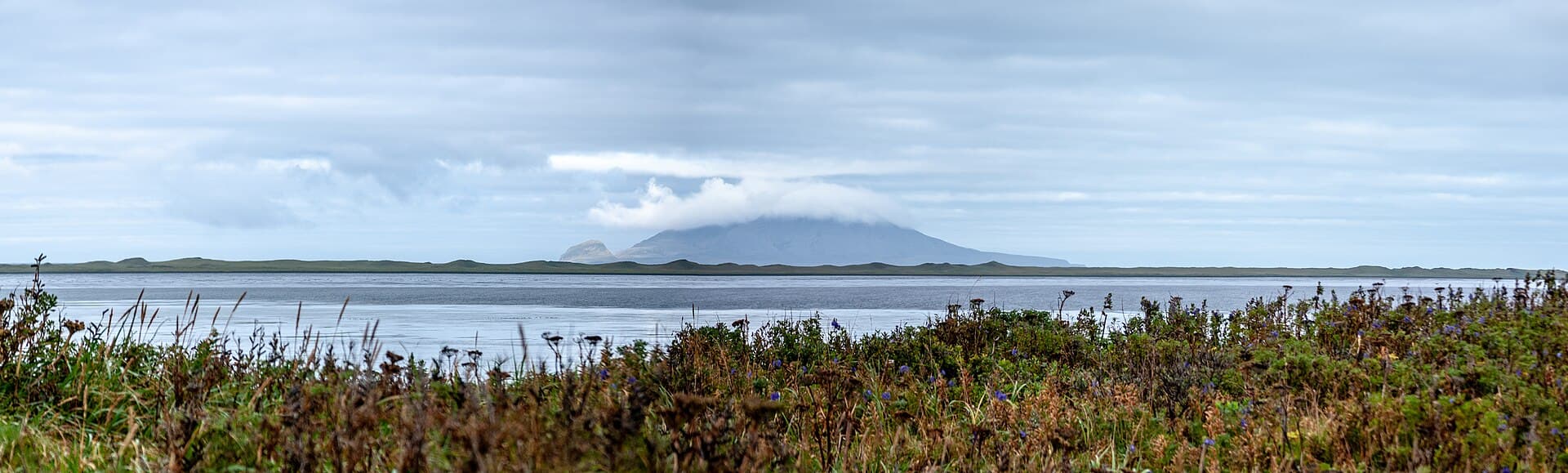
Amak Island sits in the Bering Sea roughly 15 miles southwest of Cold Bay, forming part of the Alaska Maritime National Wildlife Refuge. Its steep volcanic cliffs, grassy tundra, and sheltered coves support one of the densest seabird colonies in the eastern Aleutians, while its surrounding waters attract harbor seals, sea otters, and occasional gray whales. The island remains roadless and uninhabited, offering visitors a rare chance to experience Alaska wilderness without crowds or infrastructure.
Getting There
Most travelers fly into Cold Bay or King Cove on the Alaska Peninsula, then arrange a boat charter or small-plane overflight. Weather windows are short, so flexible itineraries and local knowledge of tides and fog are essential. Kayakers occasionally launch from False Pass, but the open-water crossing demands experienced paddlers and reliable forecasts.
Best Time to Visit
Late May through early September brings the longest days, calmest seas, and peak seabird activity. Puffins, murres, and kittiwakes nest on the cliffs from June to August. September offers quieter conditions and possible northern lights, though daylight and temperatures drop quickly. Winter travel is rare and hazardous due to ice and storms.
Wildlife and Activities
Bring binoculars and waterproof layers for cliff-top viewing of nesting seabirds. Circumnavigating the island by boat reveals sea caves and haul-outs used by harbor seals. On calm days, landing on the gravel beach allows short hikes across tundra dotted with wildflowers and nesting shorebirds. Fishing for halibut and salmon is possible in nearby waters with proper permits.
Nearby Destinations
Combine a visit with Izembek National Wildlife Refuge on the mainland for world-class waterfowl viewing or the hot springs near Cold Bay. The historic village of King Cove provides basic lodging and supplies before or after an island trip.