Why Visit the Yata River
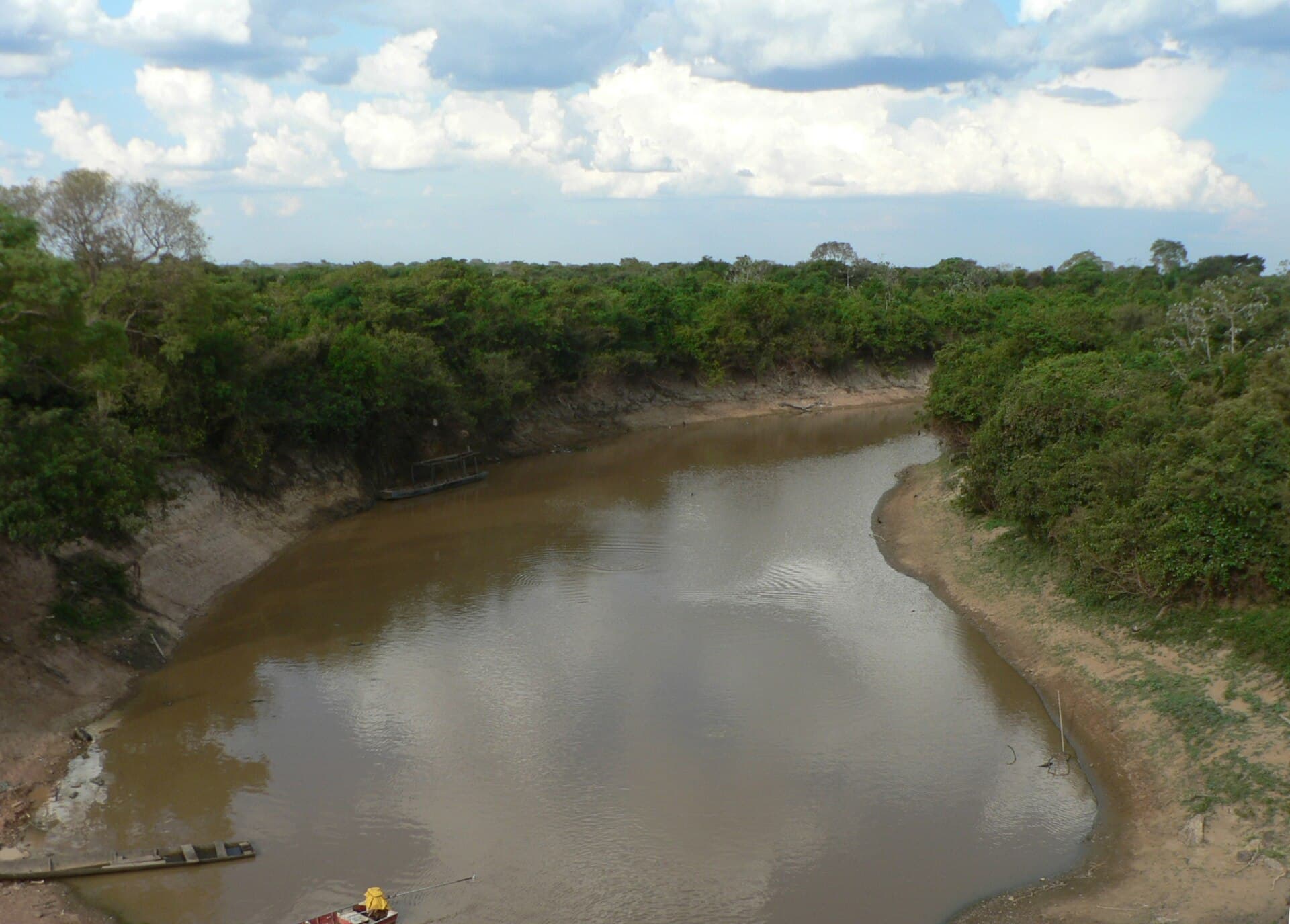
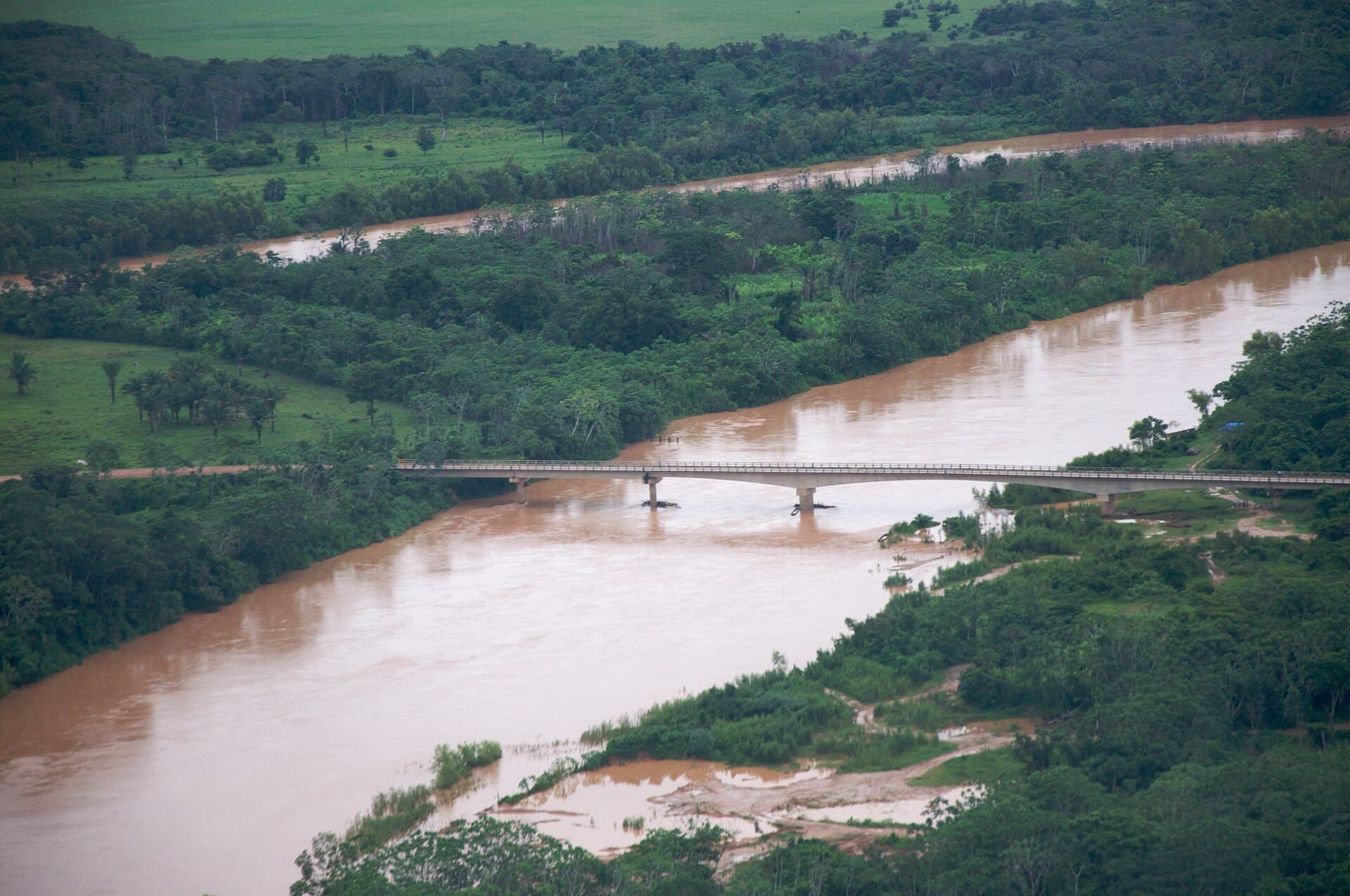
The Yata River winds through the vast wetlands and forests of northern Bolivia, offering travelers an authentic slice of the Amazon basin far from crowded tourist routes. Its dark waters support abundant wildlife, including pink river dolphins, giant river otters, caimans, and hundreds of bird species. The surrounding floodplain forests and savannas provide habitat for monkeys, tapirs, and colorful macaws, making it an exceptional destination for nature enthusiasts and photographers.
Getting There
Most visitors reach the Yata by first flying into Riberalta or Guayaramerín airports, the main gateways in Beni Department. From these towns, travelers arrange boat transfers or overland journeys with local operators along unpaved roads that lead to river access points. The journey often involves a combination of small planes and motorized canoes, emphasizing the remote character of the area.
Best Time to Visit
The dry season from May through October offers the most comfortable conditions for river travel, with lower water levels that concentrate wildlife and allow easier navigation through narrower channels. The wet season brings dramatic flooding that transforms the landscape into an inland sea, ideal for experienced paddlers seeking a different perspective but limiting access in some areas.
What to See and Do
Guided canoe trips reveal the river’s biodiversity at dawn and dusk when animals are most active. Anglers target species such as pacu and surubí in the clear waters, while birdwatchers scan the canopy for harpy eagles and hoatzins. Community visits along the banks provide opportunities to learn about local fishing traditions and sustainable forest use from indigenous residents. Multi-day expeditions combine the Yata with nearby tributaries for deeper immersion in the ecosystem.
Nearby Attractions
The Yata connects to the larger Mamoré River system, opening routes toward the Iténez Reserve and the town of Magdalena. Travelers often combine a river journey with stops in Riberalta to explore Brazil-nut processing and local markets, or continue northward to the border town of Guayaramerín for a taste of cross-border culture.
- Pack lightweight, long-sleeved clothing and sturdy water shoes for river landings.
- Carry a good headlamp and binoculars for wildlife viewing at twilight.
- Choose operators who work directly with local communities to support conservation.