Why Visit El Océano Lake
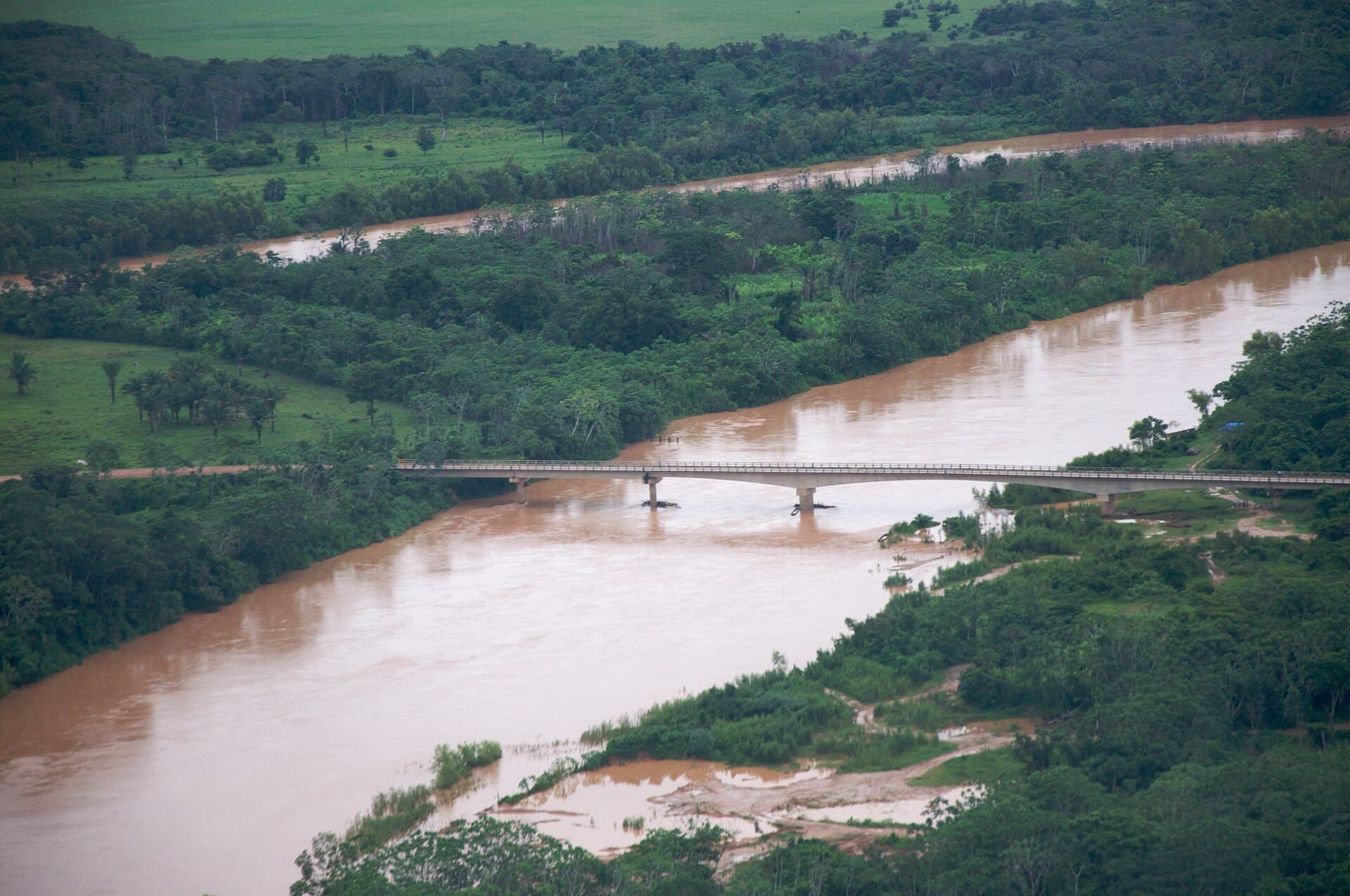
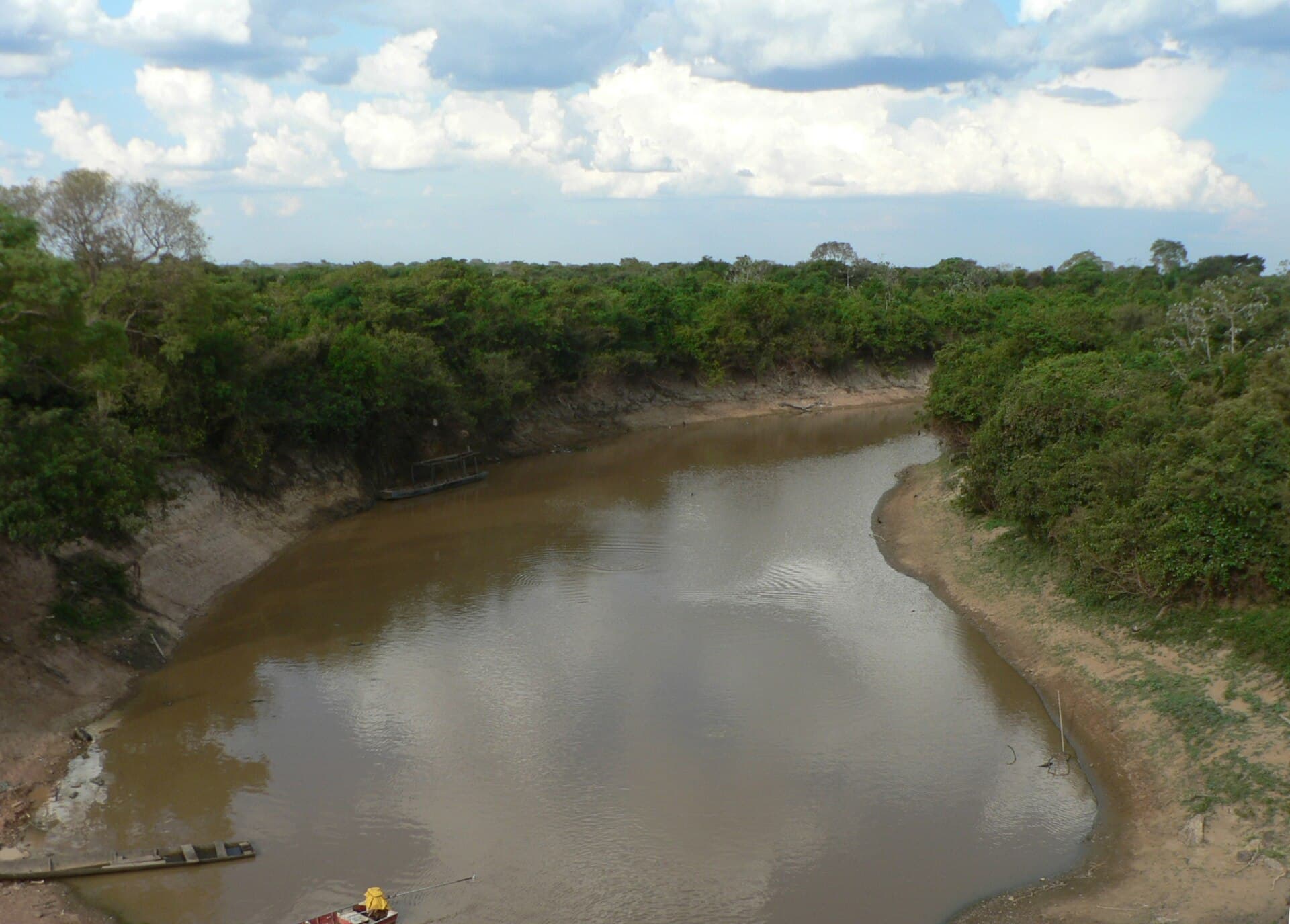
El Océano Lake sits deep within the Beni Department’s Amazonian lowlands, where clear waters meet dense rainforest. Its isolation preserves a rich ecosystem of fish, birds, and mammals rarely encountered at more developed sites. Visitors find quiet beaches, mirror-like reflections at dawn, and the constant soundtrack of howler monkeys and macaws.
How to Get There
Reach the lake from the regional hub of Trinidad by combining road travel to nearby river ports with motorized canoe or small boat transfers. The final approach follows winding tributaries through seasonally flooded forest. Independent travelers should arrange transport and a local guide in advance through established operators in Trinidad, as no regular public service exists.
Best Time to Visit
The dry season from May to October offers the most reliable access and clearest waters for swimming and fishing. During these months, lower water levels concentrate wildlife near the shore. The wet season brings dramatic thunderstorms and higher water that can make navigation slower, though birdlife remains spectacular year-round.
What to See and Do
Early morning boat excursions reveal caimans basking on logs and giant river otters fishing in the shallows. Anglers target peacock bass and other sport fish using light tackle. Short hikes along established trails lead to oxbow lakes and stands of moriche palms where macaws gather at dusk. Kayaking around the lake’s many small islands provides a peaceful way to observe herons and kingfishers without disturbing the water.
Wildlife Highlights
- Spot pink river dolphins surfacing near the lake’s center during warmer afternoons.
- Listen for the distinctive calls of howler monkeys echoing across the water at sunrise.
- Watch for capybaras grazing along the shoreline in the late afternoon.
Nearby Attractions
Combine a visit with the nearby Llanos de Moxos archaeological sites featuring ancient earth mounds and raised fields. Further afield, the city of Trinidad offers markets selling local crafts and access to additional river trips on the Mamoré. Some travelers extend their journey to the Madidi National Park, reachable by multi-day boat and road combinations.