Skip to content
Plan & Tour
DestinationsItinerariesTravel BlogAboutContact
0Sign inPlan a trip
Plan & TourPlan & Tour

Travel guides, destination inspiration and curated itineraries for Canada, the USA and beyond, plus a free tool to plan your own day-by-day trip.

Get travel inspiration

Explore

  • All Destinations
  • Curated Itineraries
  • Travel Blog
  • Plan a Trip

Topics

  • Hiking & Nature
  • Food & Drink
  • City Breaks
  • Budget Travel

Company

  • About Us
  • Contact
  • Privacy Policy
  • Terms of Service

© 2026 Plan & Tour. Built for travellers.

Discover the world, one trip at a time.

Maniqui River: Paddling Bolivia’s Remote Beni Wilderness
  1. Home
  2. Destinations
  3. Beni Department
  4. Maniqui River: Paddling Bolivia’s Remote Beni Wilderness
River

Maniqui River: Paddling Bolivia’s Remote Beni Wilderness

A quiet tributary of the Beni River offering wildlife spotting, jungle immersion, and authentic Amazonian travel in northern Bolivia.

Beni DepartmentUpdated 13 October 2026

Why the Maniqui River Stands Out

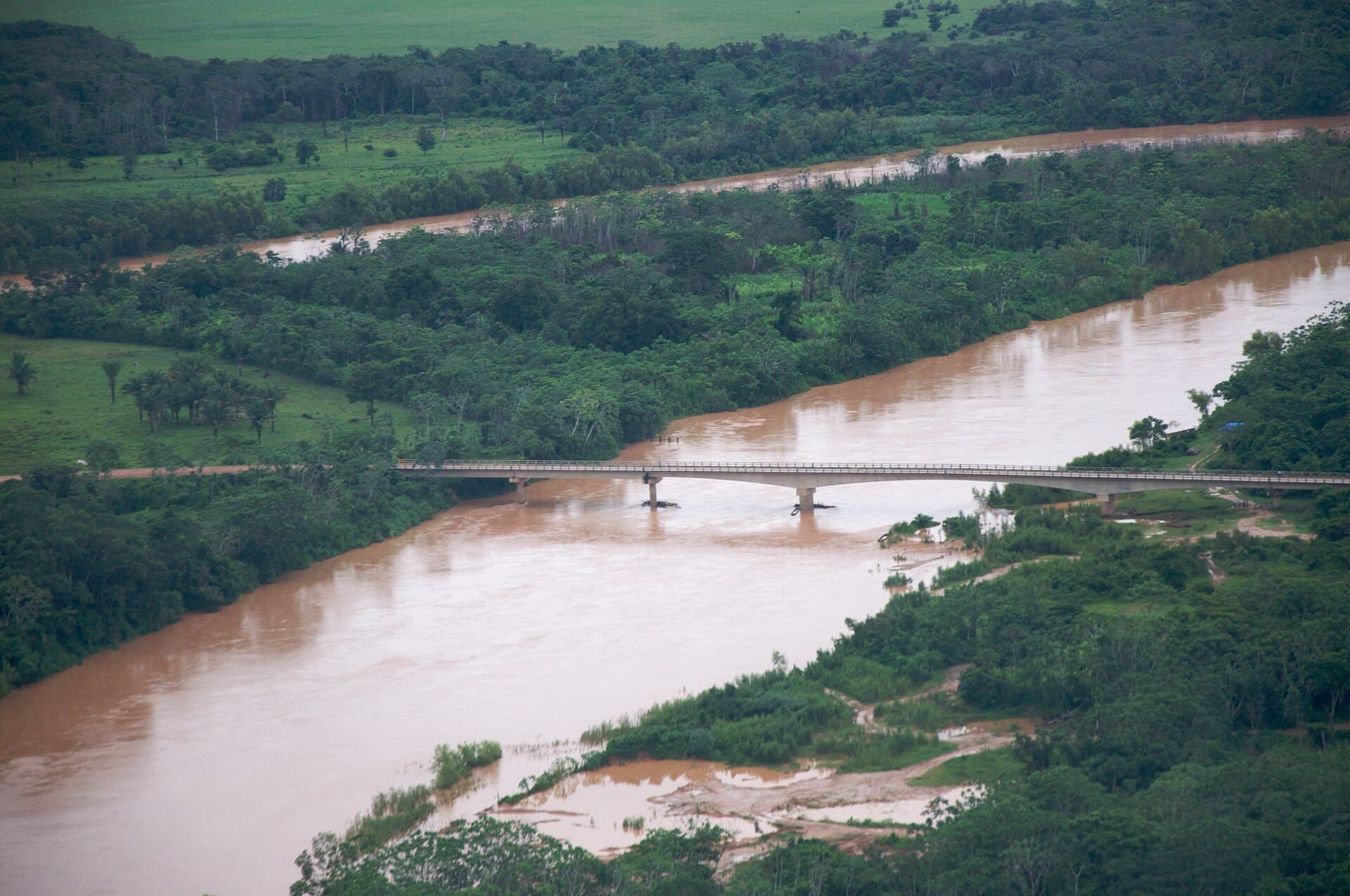
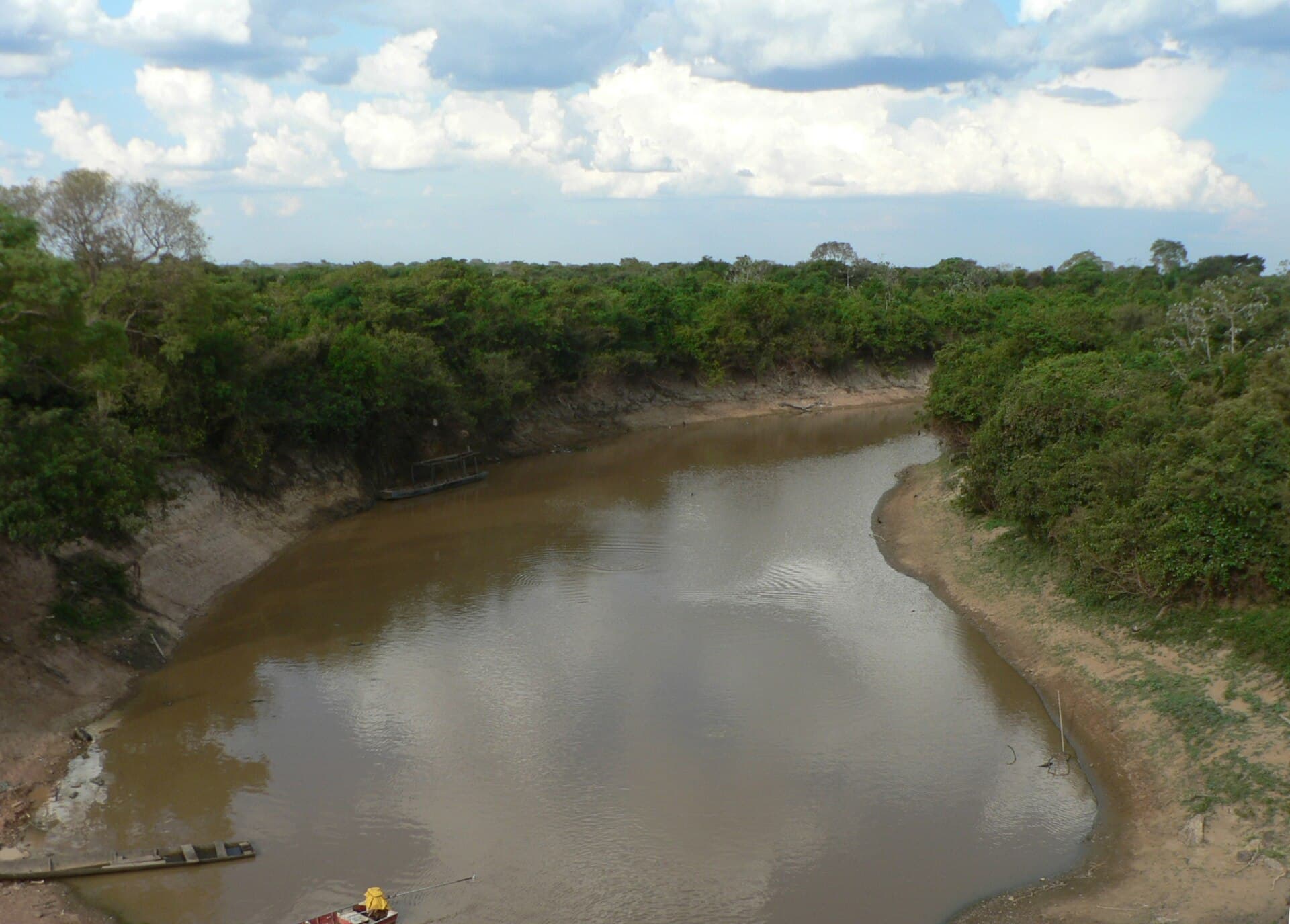
The Maniqui River cuts through the Beni Department’s lowland rainforest, where clear waters meet dense vegetation and seasonal floodplains. Unlike busier Amazon routes, this waterway remains lightly visited, preserving a sense of discovery for travelers who reach it. Its slow currents support healthy populations of river otters, howler monkeys, and macaws that gather along the banks at dawn and dusk.

What to See and Do

Wildlife Viewing by Canoe

Glide upstream at first light to watch caimans bask on sandbars and toucans move between fruiting trees. Local boatmen know quiet oxbow lakes where hoatzin birds nest and capybaras graze. Bring binoculars rather than cameras with long lenses to avoid disturbing the animals.

Jungle Walks and Fishing

Short trails from riverside camps lead into terra firme forest where giant kapok trees rise above the canopy. Catch-and-release fishing for peacock bass and piranha is possible with simple hand lines; guides demonstrate sustainable techniques that leave breeding stocks intact.

Community Encounters

Some Tacana and Mosetén communities along the lower reaches welcome respectful visitors for demonstrations of traditional plant knowledge and cassava preparation. Always arrange visits through established tour operators to ensure fair compensation and cultural protocols.

How to Reach the Maniqui

Most travelers fly into Rurrenabaque, then continue by motorized canoe or smaller dugout along the Beni River before turning into the Maniqui. The journey takes several hours depending on water levels. Overland access exists via rough tracks from San Borja during the dry months, but boat travel remains the most reliable and scenic option.

Best Time to Visit

Plan trips between May and October when rains taper and river levels drop, exposing beaches and concentrating wildlife near the water. November through April brings higher water and occasional heavy downpours that can limit travel and increase insect activity.

Nearby Places Worth Combining

  • Madidi National Park: Multi-day extensions upstream from the Maniqui confluence.
  • Rurrenabaque: Base for supplies, flights, and pampas tours on the Yacuma River.
  • Beni River: Larger waterway offering longer expeditions toward Trinidad.

Visitor tips

  • Hire only licensed local guides who carry proper safety equipment and know seasonal water hazards.
  • Pack lightweight long sleeves, strong insect repellent, and a water purifier rather than relying on bottled supplies.
  • Confirm river levels with operators before travel; low water can strand boats while high water hides navigation markers.

Frequently asked questions

Can I swim in the Maniqui River?+

Swimming is possible in deeper, clearer stretches during the dry season, but strong currents and occasional caimans require caution; always follow your guide's advice.

Are there any health risks on the river?+

Yellow fever vaccination is recommended, and malaria prophylaxis may be advised. Mosquito-borne illnesses are the main concern; use repellent and sleep under treated nets.

How many days should I allocate for the Maniqui?+

A minimum of three nights allows time for travel, wildlife excursions, and a short jungle walk; five nights provide a more relaxed pace with multiple oxbow lakes.

Is the river suitable for children?+

Families with older children who tolerate boat travel and insects can enjoy short sections, but the remote setting and basic facilities suit adventurous teens best.

What should I pack for a multi-day trip?+

Lightweight rain gear, quick-dry clothing, sturdy river sandals, headlamp, reusable water bottle, and binoculars are essential; leave heavy luggage in Rurrenabaque.

Share
Google Maps Apple Maps Directions

Image: Sam Beebe · CC BY-SA 2.0 · via Wikimedia Commons

Keep reading

Nearby & related

All stories
S
Beni Department

San Martin River: Bolivia’s Remote Amazon Tributary in Beni

Paddle quiet waters, spot wildlife, and experience authentic Amazonian wilderness on the San Martin River.

13 October 2026
E
Beni Department

El Océano Lake: Bolivia’s Remote Amazonian Wilderness

A vast, little-visited lake in the Beni Department offering pristine waters, abundant wildlife, and authentic jungle…

13 October 2026
Yata River: Bolivia’s Remote Amazonian Waterway
Beni Department

Yata River: Bolivia’s Remote Amazonian Waterway

Paddle through pristine rainforest channels teeming with wildlife in Bolivia’s Beni Department.

12 October 2026