Introduction to Yantarni Volcano
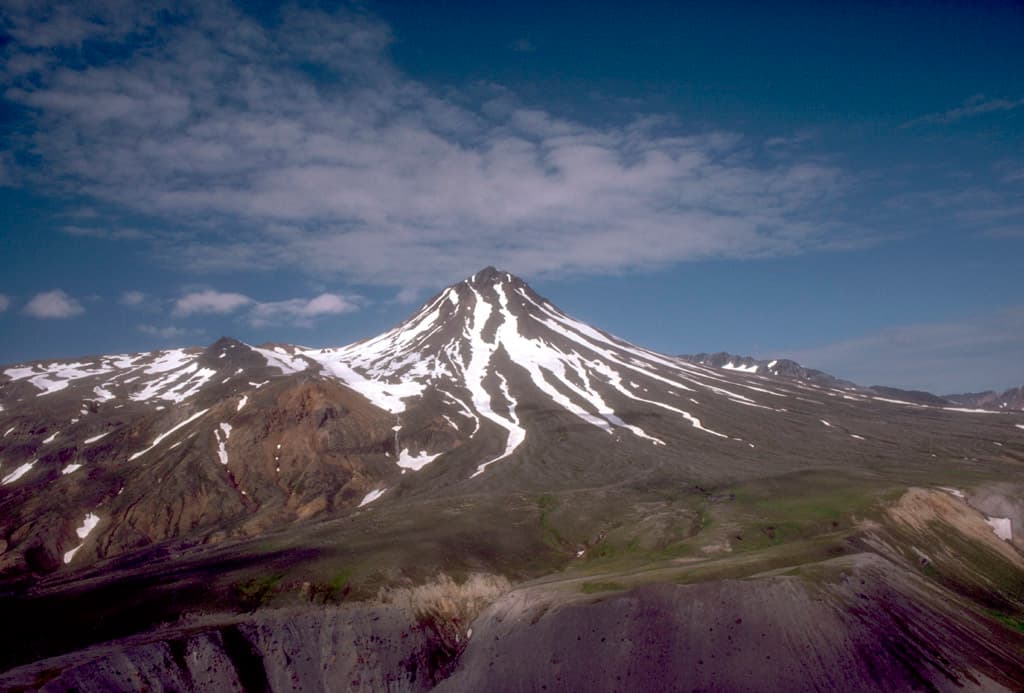
Yantarni Volcano rises as a classic stratovolcano on the remote Alaska Peninsula, offering visitors a rare chance to explore pristine volcanic terrain far from crowds. Located in Lake and Peninsula Borough, this peak forms part of the Aleutian volcanic arc and provides sweeping views of tundra, glacial valleys, and coastal inlets shaped by centuries of eruptions.
Getting There
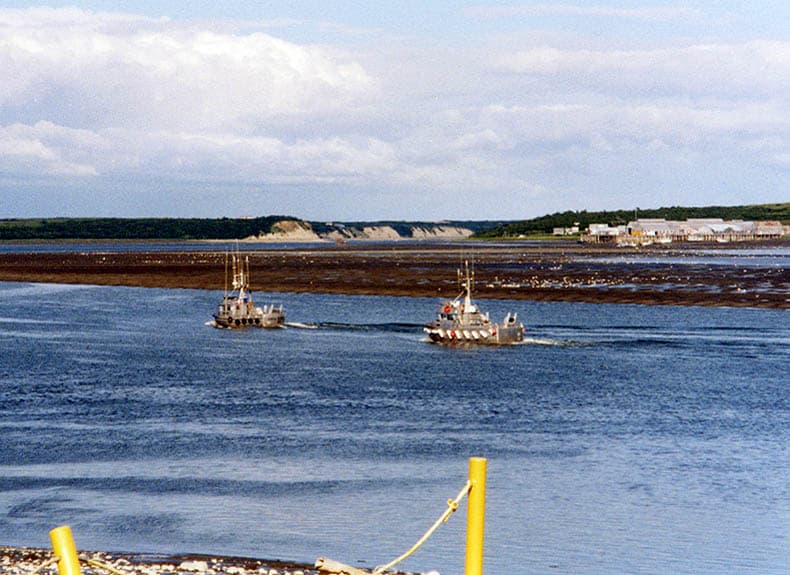
Access requires careful planning due to the area’s isolation. Most travelers fly into King Salmon or Iliamna, then charter a floatplane for the final leg to nearby lakes or coastal drop-off points. From there, hiking or boating reaches the volcano’s lower slopes. No roads connect the site, so independent visitors must arrange air or water transport in advance and prepare for variable weather that can delay departures.
Best Time to Visit
Late spring through early fall brings the most reliable conditions for travel and outdoor activities. Snow lingers into June on higher ground, while July and August offer long daylight hours for extended hikes. September can deliver clear skies and autumn colors but increases the chance of early storms. Winter visits are possible only for experienced backcountry travelers equipped for extreme cold and limited daylight.
What to See and Do
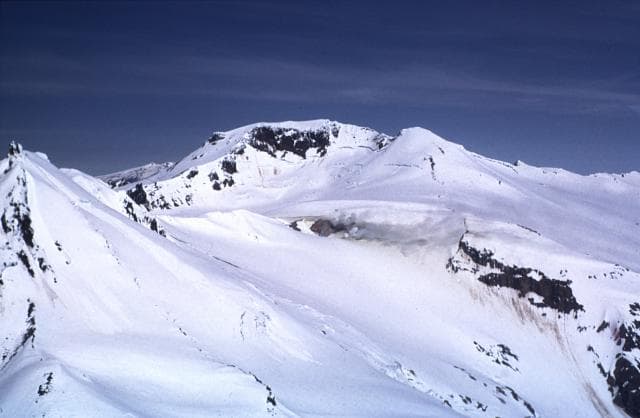
Hiking trails around the volcano lead through colorful volcanic soils and past steaming fumaroles that hint at ongoing geothermal activity. Wildlife viewing ranks high among attractions: brown bears frequent salmon streams, while caribou and moose roam the tundra. Birdwatchers spot eagles, ptarmigan, and migratory waterfowl along the coast. Anglers enjoy world-class fishing for sockeye and rainbow trout in nearby rivers and lakes. For a deeper experience, overnight backpacking trips reveal dramatic ridgelines and hidden cinder cones.
Nearby Attractions
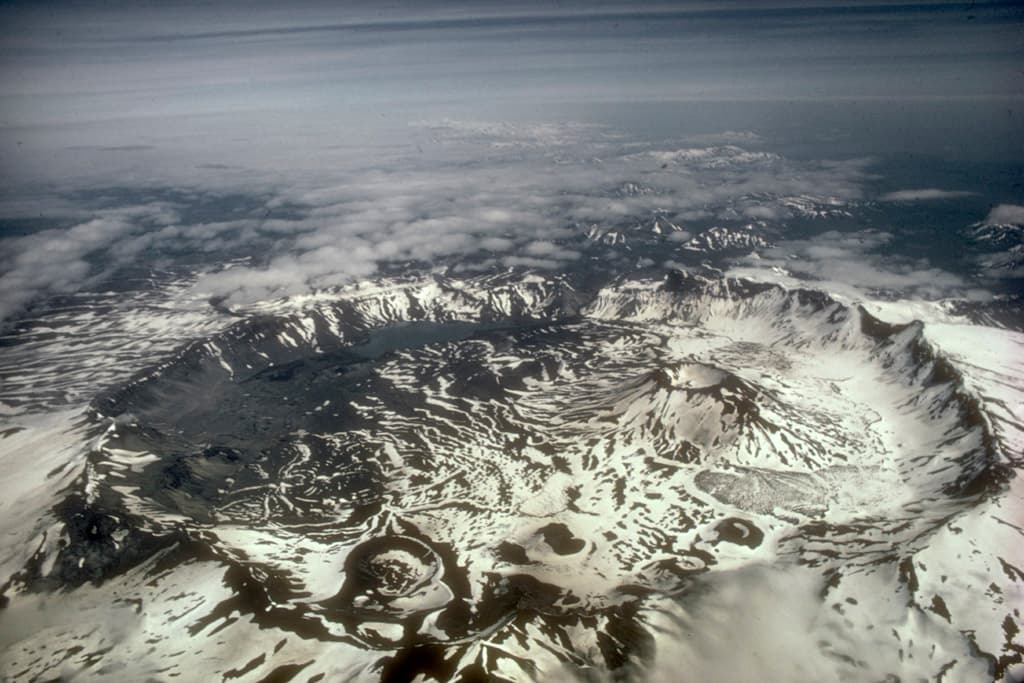
Combine a visit with Katmai National Park to the north for additional volcanic features and bear viewing at Brooks Camp. Southward lies Aniakchak National Monument, another dramatic caldera reachable by air. Coastal boat trips reveal sea otters and puffins along the Shelikof Strait. The broader Lake and Peninsula Borough offers hot springs and remote lodges for recovery after multi-day treks.
Practical Considerations
Pack layers for rapid weather changes, bear spray, and a satellite communicator. Leave no trace principles are essential in this fragile ecosystem. Guided trips through local outfitters provide safety and logistical support for first-time visitors.