Why Visit Toyokawa City Sakuragaoka Museum
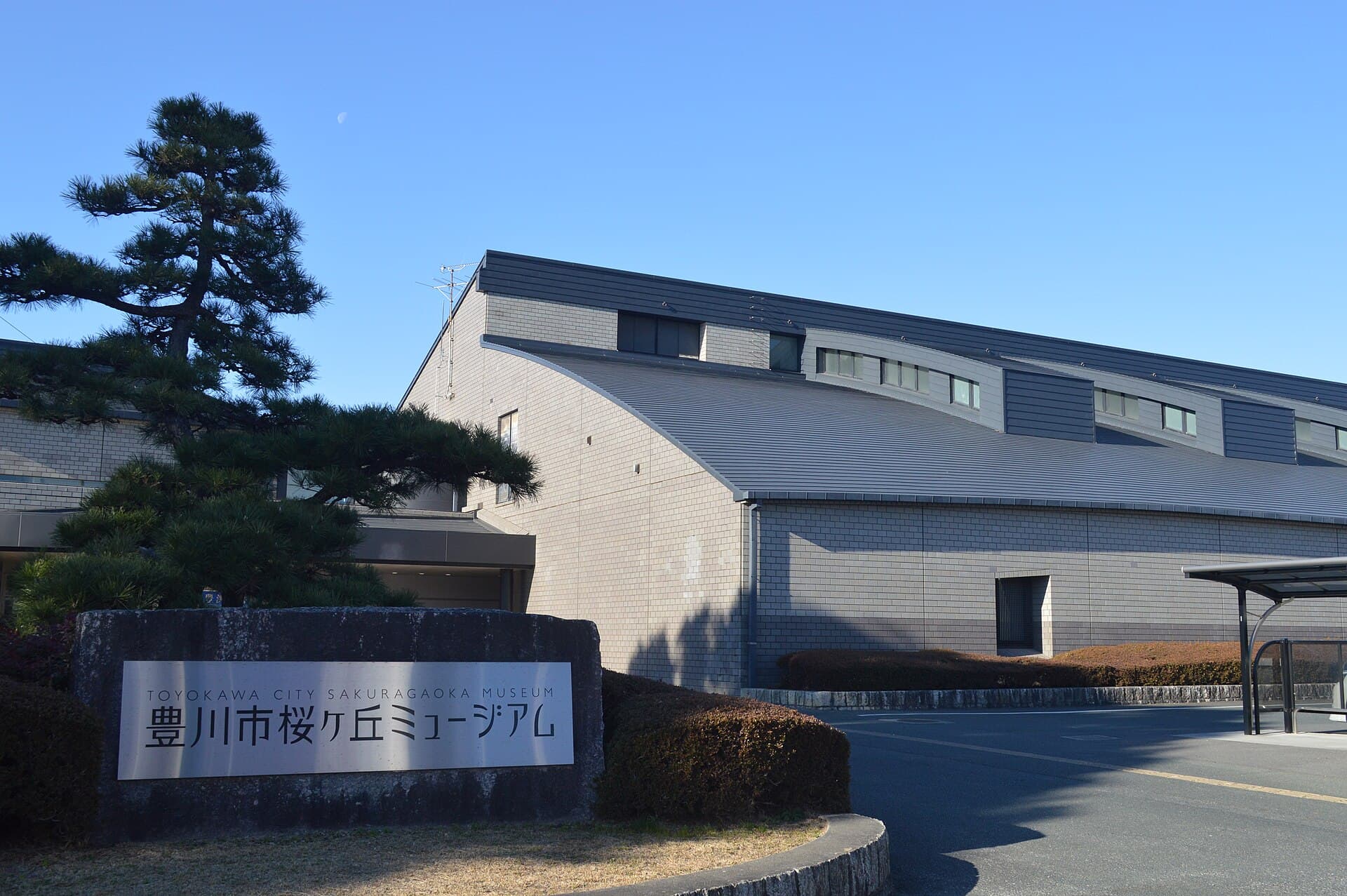
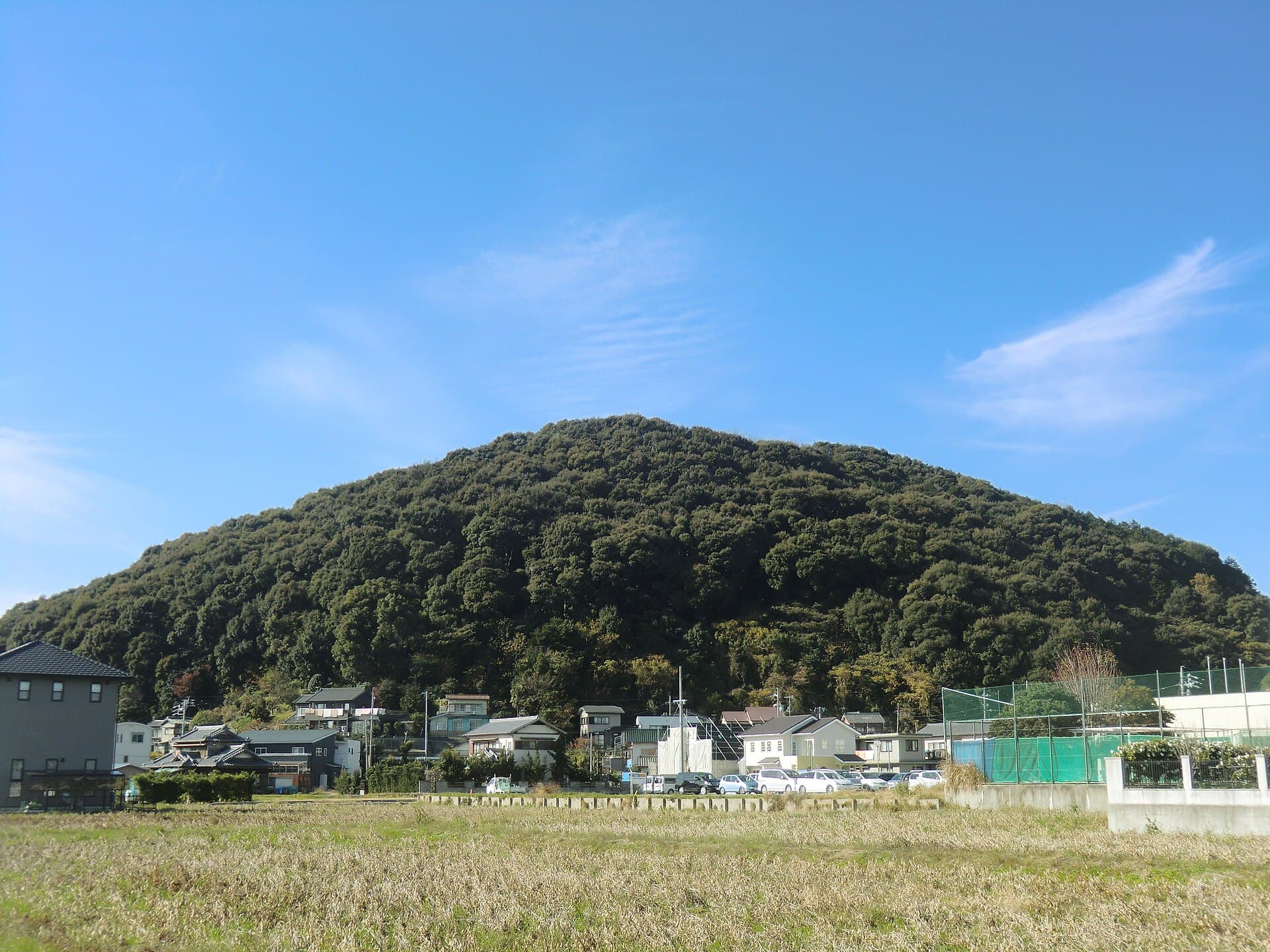
Perched on Sakuragaoka (“Cherry Blossom Hill”), the museum serves as the primary repository for Toyokawa’s material culture. Visitors encounter Jōmon pottery shards, Edo-period farm tools, and delicate Meiji-era textiles that trace how the area’s fertile plains and rivers shaped daily life. The modest scale encourages slow looking rather than hurried checklists.
Permanent Galleries
The Archaeology Room displays reconstructed pit dwellings and stone tools unearthed from nearby river terraces. A central case holds a complete set of Yayoi-period bronze bells, rare outside major national collections. Upstairs, the Folk Craft Gallery shows lacquered trays, indigo-dyed kasuri cloth, and ceramic sake bottles produced in the city’s former kiln districts. Seasonal rotations highlight pressed-flower specimens and bird illustrations documenting the hill’s changing flora and fauna.
Architecture and Setting
The building itself blends modern concrete with local cedar latticework, allowing soft daylight to fall across the exhibits. Large windows frame the surrounding cherry trees, whose brief bloom in early April mirrors the pink tones of some displayed textiles. A small terrace offers views toward the Toyokawa River valley.
How to Get There
From Toyokawa Station on the JR Iida Line, local buses reach the Sakuragaoka stop in roughly fifteen minutes; the museum sits a short uphill walk from the stop. Cyclists can follow the riverside path from central Toyokawa, then ascend the gentle slope through quiet residential streets. Limited free parking is available for drivers arriving from Nagoya or Hamamatsu.
Best Time to Visit
Spring brings the cherry blossoms that give the hill its name, while autumn offers cooler temperatures and fewer visitors. The museum remains comfortable year-round thanks to modest climate control; however, the surrounding paths become slippery after rain, so sensible footwear is advisable.
Nearby Attractions
Combine a morning at the museum with an afternoon at Toyokawa Inari Shrine, famed for its thousands of fox statues, or continue to the historic Yoshida Castle ruins in nearby Toyohashi. The region’s famous eel restaurants lie along the old Tōkaidō highway, offering a practical lunch stop.