Why Mount Mito Draws Hikers
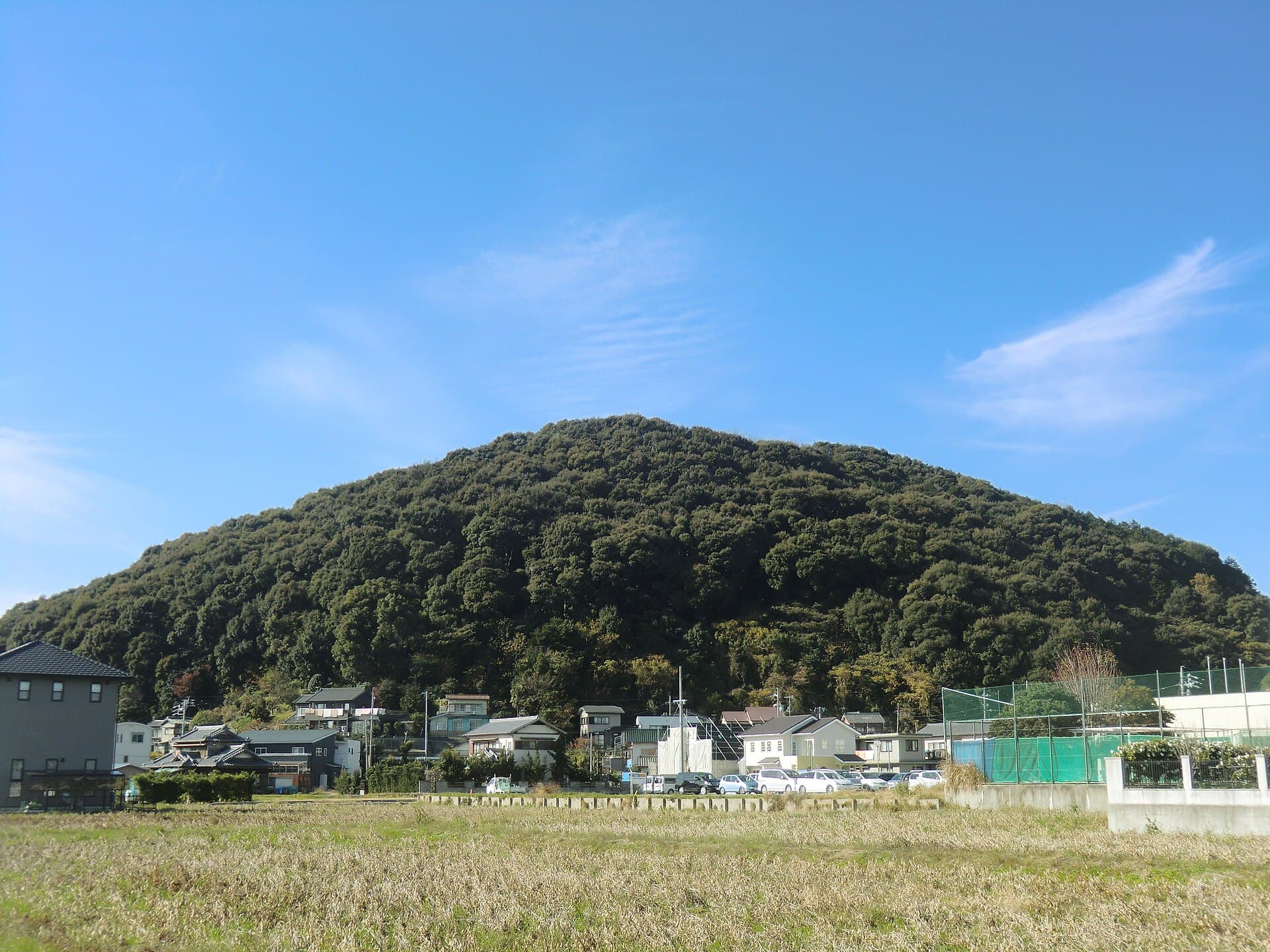
Mount Mito rises gently above the plains of Toyokawa, providing an accessible escape into mixed forest and open ridges. Its trails reward visitors with seasonal foliage, birdsong, and sweeping sightlines across the Mikawa region without requiring advanced mountaineering skills.
Trails and What to Expect
The main network consists of well-marked paths that begin near the lower slopes and climb steadily through cedar and deciduous woodland. Several routes converge near the summit, where a small clearing offers benches and unobstructed panoramas on clear days. Shorter loops suit families or casual walkers, while longer circuits add distance through side ridges. Wildflowers appear in spring, and autumn colors peak in late October and November.
Flora and Wildlife
Camellia and maple trees line sections of the path, while Japanese bush warblers and woodpeckers are commonly heard. The mountain’s modest elevation keeps the vegetation diverse yet manageable for most visitors.
Best Time to Visit
Early spring brings fresh greenery and fewer crowds, while autumn delivers the clearest views and cooler temperatures ideal for longer hikes. Summer hikes are possible but require extra water and insect protection. Winter visits are quieter, though occasional frost can make paths slippery.
Getting There
Toyokawa Station on the JR Iida Line serves as the primary gateway. Local buses run toward the mountain’s trailheads, and taxis are readily available for the short ride. Drivers can use the limited parking areas near the lower entrances. From central Nagoya the journey takes roughly ninety minutes by train and bus.
Nearby Attractions
After a hike, many visitors continue to Toyokawa Inari for its historic temple grounds or explore the nearby Akiba Shrine. The flat countryside roads are also popular for cycling between visits.