Why Visit the Toyokawa City Museum of Folklore
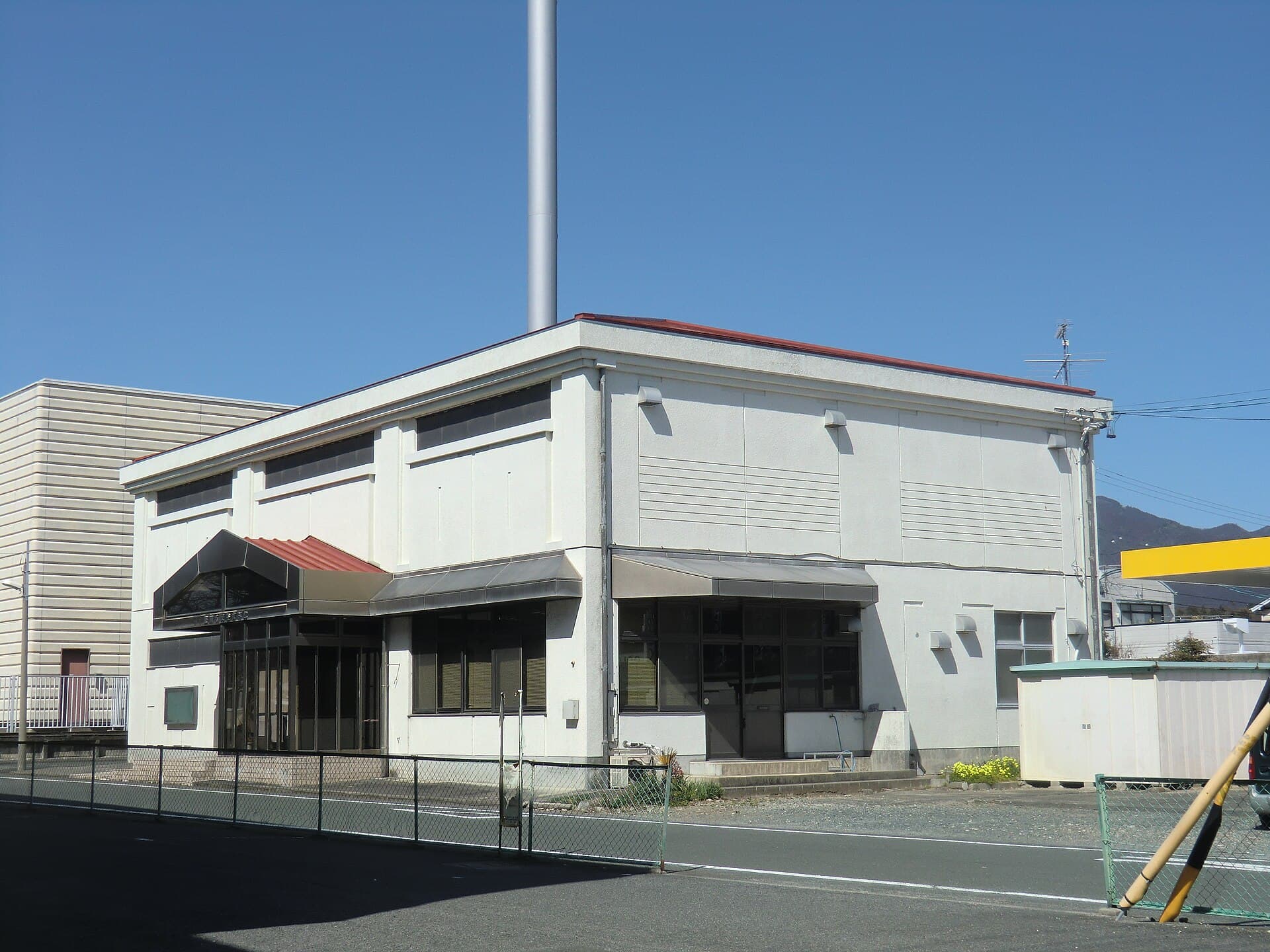
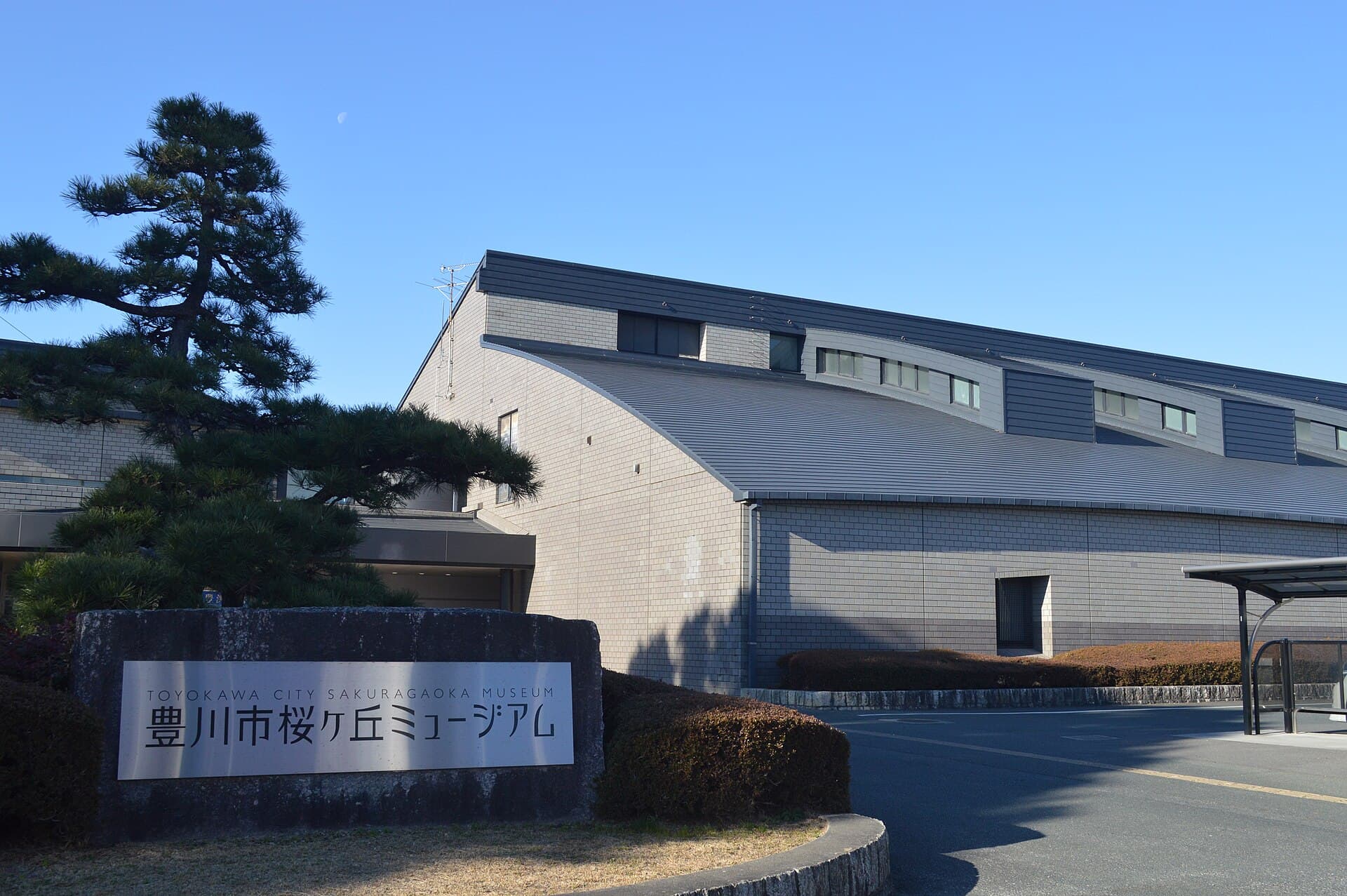
The Toyokawa City Museum of Folklore preserves the everyday heritage of eastern Aichi Prefecture through carefully curated displays of tools, clothing, and household items used by farming and fishing families over the past two centuries. Visitors gain a clear picture of how local people adapted to the region’s rice fields, rivers, and proximity to the Pacific coast.
What to See and Do
Start in the main gallery where reconstructed interiors show a typical Meiji-era farmhouse kitchen and a merchant’s shop. Seasonal sections highlight New Year decorations, Bon festival lanterns, and autumn harvest rituals specific to Toyokawa. Temporary exhibits rotate through local textile techniques such as indigo dyeing and bamboo basketry. Children can try simple weaving or rice-pounding demonstrations on weekends. The attached garden features traditional plants used for dyeing and medicine, offering a quiet outdoor extension of the indoor displays.
Practical Layout
The museum occupies two floors with clear signage in Japanese and English. Ground level covers pre-industrial daily life; the upper floor focuses on 20th-century changes brought by industrialization. Allow 60 to 90 minutes for a thorough visit.
Getting There
Toyokawa lies on the Meitetsu Nagoya Main Line and the JR Iida Line. From Toyokawa Station, local buses reach the museum area in under fifteen minutes; many visitors combine the trip with a walk from nearby Toyokawa Inari Temple. Those driving will find limited free parking behind the building. The flat surrounding streets make the approach straightforward on foot or by bicycle.
Best Time to Visit
Spring and autumn bring comfortable temperatures for walking between the museum and nearby shrines. Summer visits pair well with evening festivals when the area is illuminated. Winter offers fewer crowds and a chance to see heavy snowfall displays that illustrate how residents once coped with cold winters. The museum remains open year-round with only brief closures for exhibit changes.
Nearby Attractions
Combine the museum with Toyokawa Inari’s striking fox statues and temple grounds, a five-minute taxi ride away. Further afield, the historic streets of Hoi and the pottery kilns of Seto provide additional context for Aichi’s craft traditions. Nagoya’s major museums and castle are reachable by train in roughly forty minutes for those extending the day trip.