Skip to content
Plan & Tour
DestinationsItinerariesTravel BlogAboutContact
0Sign inPlan a trip
Plan & TourPlan & Tour

Travel guides, destination inspiration and curated itineraries for Canada, the USA and beyond, plus a free tool to plan your own day-by-day trip.

Get travel inspiration

Explore

  • All Destinations
  • Curated Itineraries
  • Travel Blog
  • Plan a Trip

Topics

  • Hiking & Nature
  • Food & Drink
  • City Breaks
  • Budget Travel

Company

  • About Us
  • Contact
  • Privacy Policy
  • Terms of Service

© 2026 Plan & Tour. Built for travellers.

Discover the world, one trip at a time.

Torre Blanca: Hiking the Striking Peak in Cantabria’s Picos de Europa
  1. Home
  2. Destinations
  3. Cantabria
  4. Torre Blanca: Hiking the Striking Peak in Cantabria’s Picos de Europa
Mountain

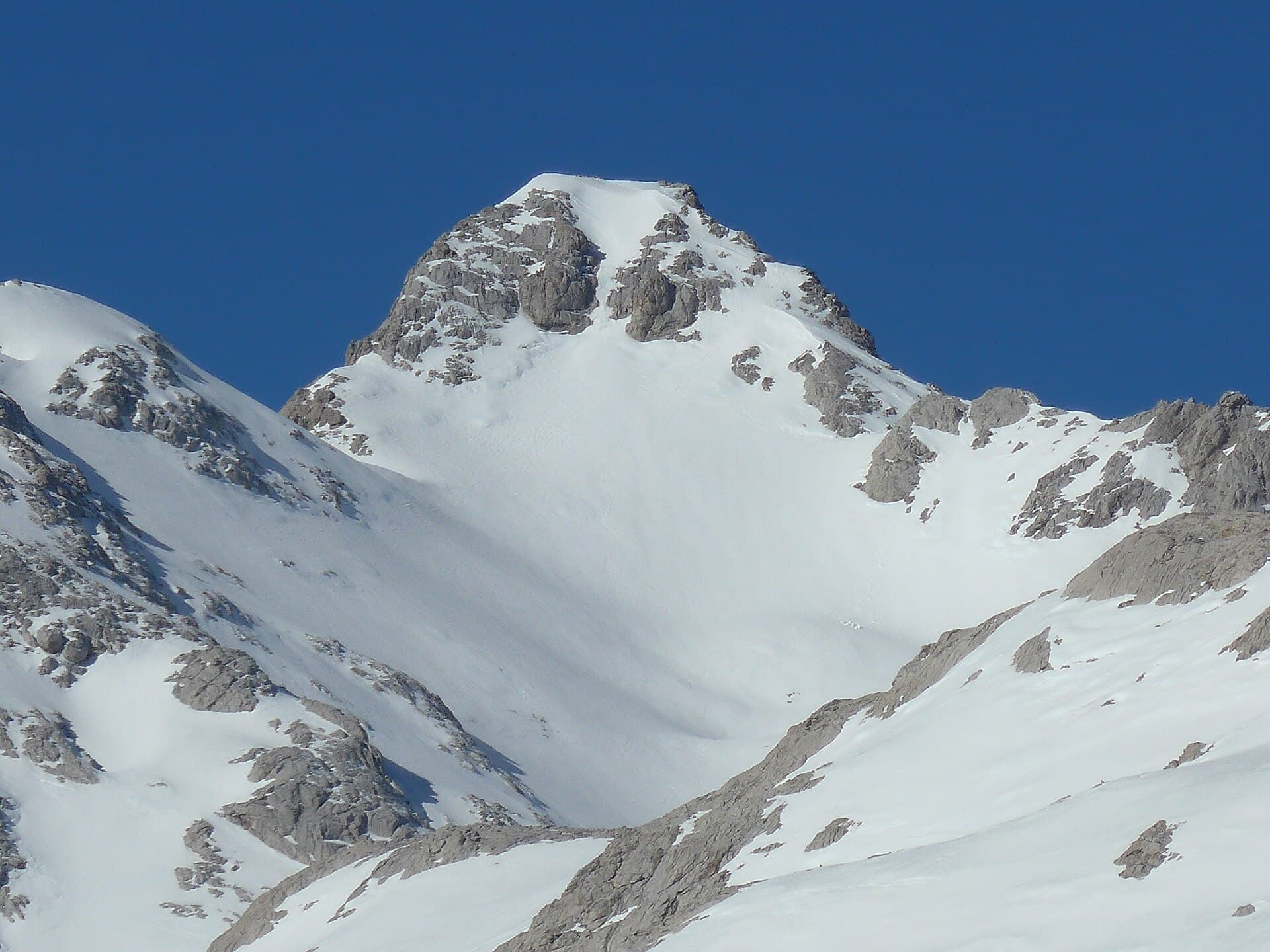
Torre Blanca: Hiking the Striking Peak in Cantabria’s Picos de Europa

Climb Torre Blanca for sweeping views across the dramatic limestone peaks and valleys of northern Spain’s Picos de Europa.

CantabriaUpdated 9 November 2026

Why Visit Torre Blanca

Torre Blanca rises as one of the most accessible yet rewarding summits in the western massif of the Picos de Europa. Its position above the Liébana valley delivers uninterrupted panoramas of jagged limestone towers, deep gorges, and distant snowfields even on clear summer days. The mountain attracts hikers seeking a full-day outing without the extreme technical demands of higher peaks nearby.

Getting There

Most visitors arrive by car from the town of Potes, roughly 25 minutes away via winding mountain roads. From Potes, follow signs toward Fuente Dé and park at trailheads near the village of Espinama or the lower cable-car station. Public buses run seasonally from Santander to Potes; from there, a taxi or local shuttle reaches the starting points. The nearest major airports are Santander and Bilbao, both about two hours’ drive.

Best Time to Visit

Late spring through early autumn offers the most reliable conditions for hiking. July and August bring long daylight hours and blooming alpine meadows, while June and September provide fewer crowds and cooler temperatures. Snow can linger into May on north-facing slopes, and sudden storms are common year-round; always check the forecast before setting out.

Trails and Activities

The standard route begins at approximately 1,000 meters and climbs steadily through beech forest before emerging onto open karst terrain. Expect a round-trip of six to eight hours with roughly 900 meters of elevation gain. The final approach involves straightforward scrambling on stable rock. Photographers often pause at several natural viewpoints overlooking the Río Deva gorge and the distant Peña Remoña ridge. Those seeking a longer day can combine the ascent with a traverse toward neighboring summits or descend via the cable car from Fuente Dé for a varied loop.

Nearby Attractions

After the hike, spend time in the medieval town of Potes with its riverside cafés and cheese shops. The Fuente Dé cable car provides effortless access to high pastures for those wanting easier viewpoints. Further afield, the monastery at Santo Toribio de Liébana and the dramatic Desfiladero de la Hermida gorge offer cultural and scenic variety within a short drive.

Visitor tips

  • Start early to avoid afternoon thunderstorms common in the Picos de Europa.
  • Wear sturdy mountain boots and carry plenty of water; few reliable springs exist above the tree line.
  • Download offline maps in advance, as mobile coverage drops quickly once you leave the valley roads.

Frequently asked questions

How difficult is the hike to Torre Blanca?+

The route is rated moderate to strenuous due to sustained elevation gain and some easy scrambling near the top; it suits fit hikers with basic mountain experience.

Can beginners attempt Torre Blanca?+

Novices should join a guided group or choose shorter valley walks first, as the upper sections require comfort with exposure and loose rock.

Is Torre Blanca suitable for children?+

Older, experienced children may enjoy the lower forest sections, but the full summit push is generally too demanding and potentially hazardous for younger kids.

What should I pack for a Torre Blanca hike?+

Bring layers, rain protection, a headlamp, snacks, and a map or GPS device; the terrain changes quickly with weather.

Are there any permits required to climb Torre Blanca?+

No special permits are needed for the standard hiking routes, though parking fees may apply at popular trailheads during peak season.

Share
Google Maps Apple Maps Directions

Image: Teofrasto820 · CC BY-SA 4.0 · via Wikimedia Commons

Keep reading

Nearby & related

All stories
Pico Tres Mares: Hiking Cantabria’s Three Seas Peak
Cantabria

Pico Tres Mares: Hiking Cantabria’s Three Seas Peak

Climb the Cantabrian mountain whose slopes send water to three separate seas and enjoy sweeping views of the Picos de…

9 November 2026
Isla Virgen del Mar: Cantabria’s Sacred Rocky Islet Off Santander
Cantabria

Isla Virgen del Mar: Cantabria’s Sacred Rocky Islet Off Santander

A compact granite outcrop crowned by a historic chapel, Isla Virgen del Mar offers boat-accessible views, quiet…

9 November 2026
Pico Jano: Hiking the Summit of Cantabria’s Liébana Valley
Cantabria

Pico Jano: Hiking the Summit of Cantabria’s Liébana Valley

Pico Jano rewards hikers with sweeping views over the Picos de Europa, the Cantabrian coast, and remote valleys from a…

9 November 2026