Skip to content
Plan & Tour
DestinationsItinerariesTravel BlogAboutContact
0Sign inPlan a trip
Plan & TourPlan & Tour

Travel guides, destination inspiration and curated itineraries for Canada, the USA and beyond, plus a free tool to plan your own day-by-day trip.

Get travel inspiration

Explore

  • All Destinations
  • Curated Itineraries
  • Travel Blog
  • Plan a Trip

Topics

  • Hiking & Nature
  • Food & Drink
  • City Breaks
  • Budget Travel

Company

  • About Us
  • Contact
  • Privacy Policy
  • Terms of Service

© 2026 Plan & Tour. Built for travellers.

Discover the world, one trip at a time.

Pico Jano: Hiking the Summit of Cantabria’s Liébana Valley
  1. Home
  2. Destinations
  3. Cantabria
  4. Pico Jano: Hiking the Summit of Cantabria’s Liébana Valley
Mountain

Pico Jano: Hiking the Summit of Cantabria’s Liébana Valley

Pico Jano rewards hikers with sweeping views over the Picos de Europa, the Cantabrian coast, and remote valleys from a compact, well-marked trail system.

CantabriaUpdated 9 November 2026

Why Pico Jano Rewards the Effort

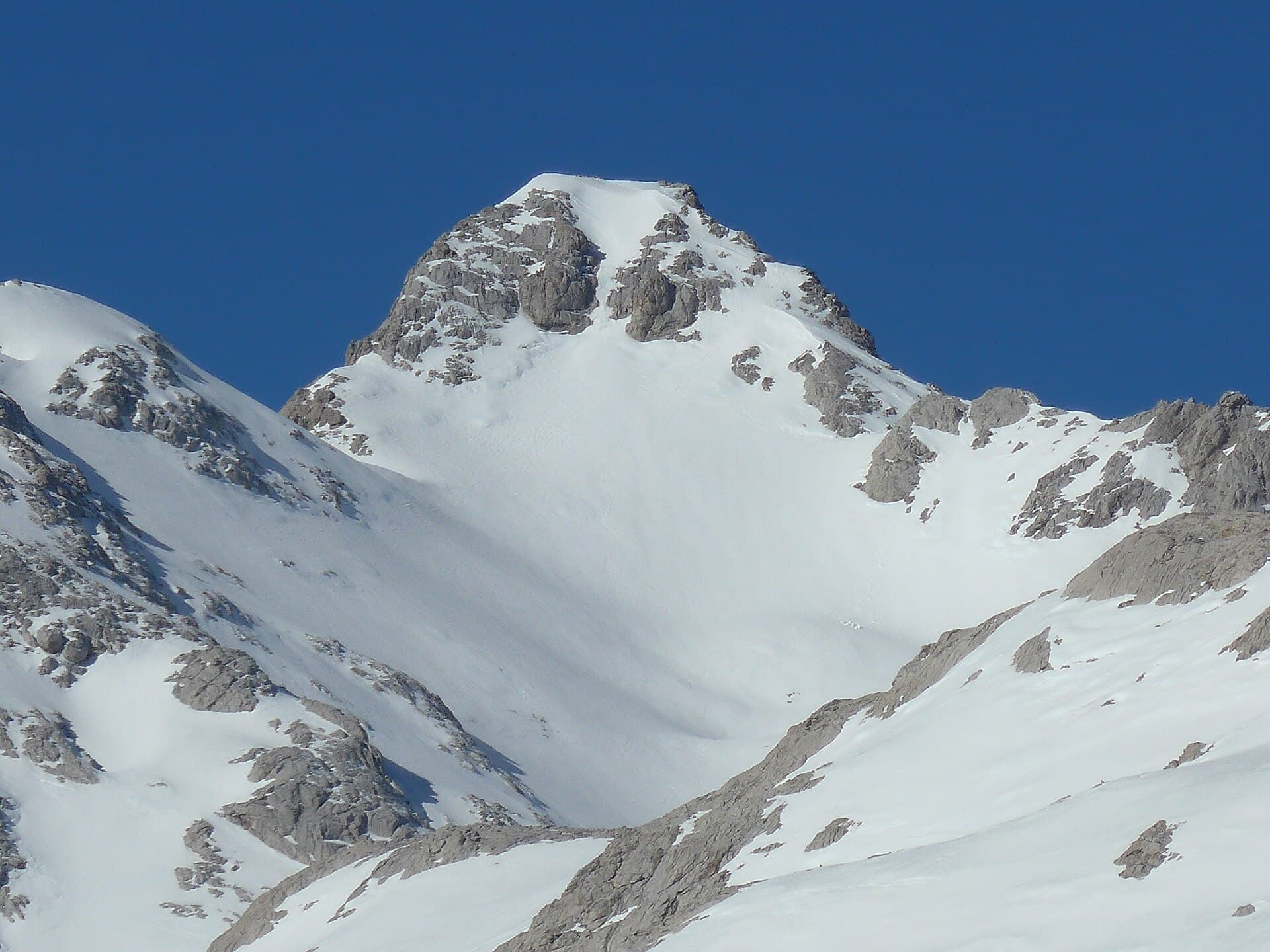
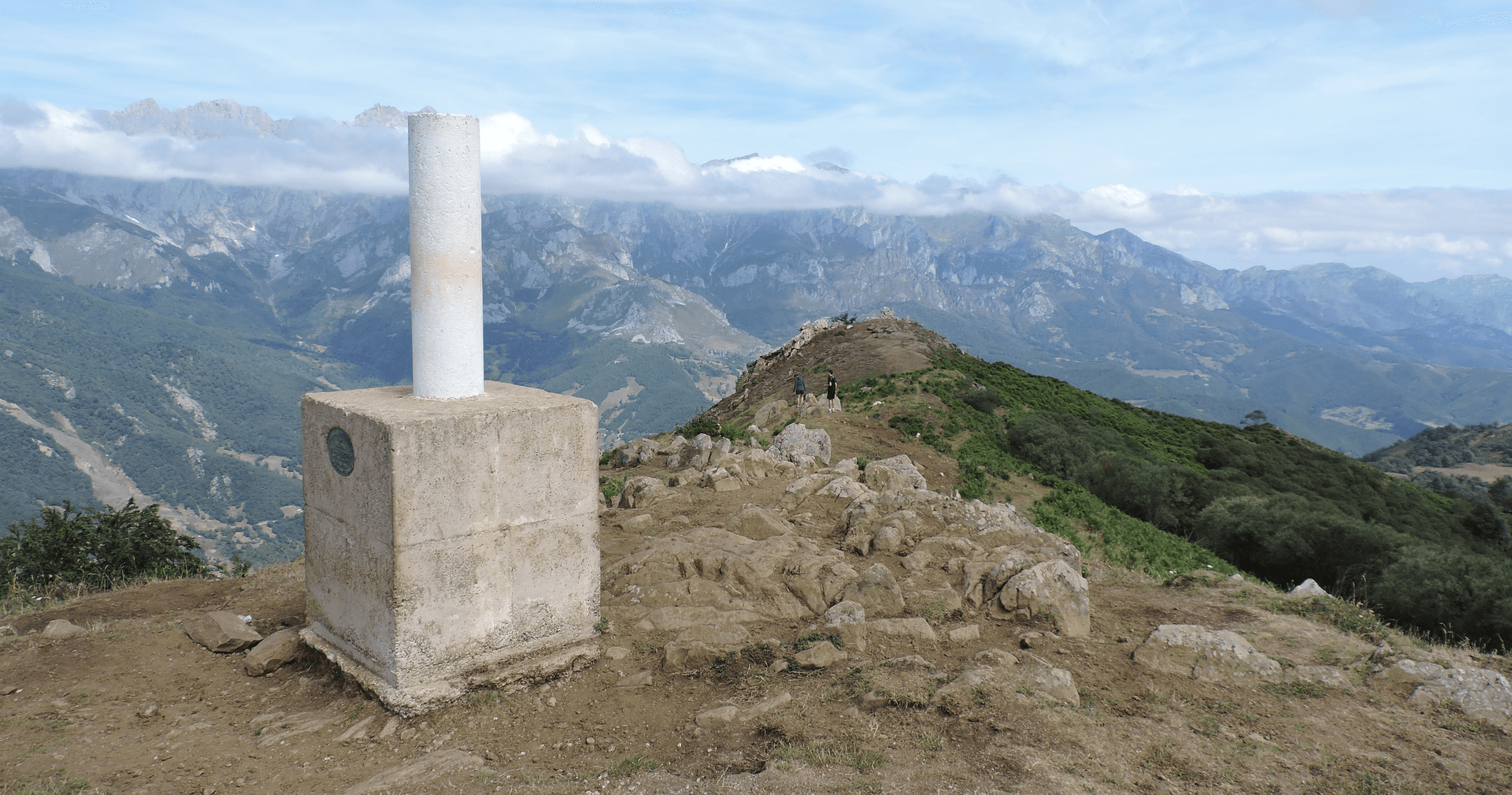
At 1,446 meters, Pico Jano rises above the Liébana valley in western Cantabria, offering one of the region’s most accessible high viewpoints. On clear days the summit panorama stretches from the jagged limestone peaks of the Picos de Europa to the Bay of Biscay, with rolling green pastures and scattered villages filling the middle distance. The mountain’s isolation from larger massifs means fewer crowds than nearby Picos de Europa trailheads, yet it shares the same dramatic geology and weather patterns.

Trails and What to Expect on the Summit

The Standard Route from Vega de Liébana

The most popular path begins near the hamlet of Vega de Liébana and climbs steadily through beech forest before emerging onto open alpine meadows. The route is well cairned and requires no technical climbing, though the final rocky section demands sure footing. Most walkers reach the summit cross in two to three hours, allowing time for a relaxed descent before afternoon clouds build.

Alternative Approaches and Extensions

Experienced hikers can link Pico Jano with neighboring summits via the ridge toward Peña Ventosa, creating a longer loop that showcases both northern and southern faces of the mountain. In spring the meadows are carpeted with wildflowers; in autumn the beech woods turn gold, offering different photographic opportunities on the same trails.

Best Time to Visit Pico Jano

Late spring through early autumn provides the most reliable conditions, with snow usually gone by May and lingering into November only on north-facing slopes. Summer days can be hot at lower elevations but pleasantly cool on the summit; carry layers for sudden wind or mist. Winter visits are possible for those equipped with crampons and avalanche awareness, but the mountain is best left to locals familiar with snowpack.

Getting There and Local Logistics

Pico Jano lies roughly 90 minutes by car from Santander via the A-8 and N-621 through Potes. Public transport reaches Potes, after which a taxi or local bus to Vega de Liébana completes the journey. Parking is available at trailheads outside the village; arrive early on weekends to secure a spot. The surrounding Liébana valley also offers lodging in traditional stone houses and renowned restaurants serving cocido lebaniego, the local chickpea stew.

Nearby Places Worth Combining

After descending, continue to the monastery of Santo Toribio de Liébana, one of Spain’s oldest pilgrimage sites, or drive the narrow road to Fuente Dé for cable-car views deeper into the Picos de Europa. The historic town of Potes provides medieval bridges, craft shops, and a lively Saturday market that pairs well with a mountain day.

Visitor tips

  • Start early to avoid afternoon thunderstorms common in the Cantabrian Mountains and to enjoy clearer summit views.
  • Wear sturdy hiking boots and carry at least two liters of water; there are no reliable sources above the tree line.
  • Check the mountain weather forecast the evening before, as fog can reduce visibility to a few meters even in summer.
  • Respect grazing livestock and close gates behind you on the approach through meadows.

Frequently asked questions

How difficult is the hike to Pico Jano?+

The standard trail is moderate for fit walkers, with steady elevation gain but no exposure or scrambling required. Allow three to four hours round-trip for most people.

Can children or older hikers reach the summit?+

Yes, provided they have good fitness and proper footwear. The path is straightforward, though the upper rocky section can feel tiring for young children.

Are there any facilities on the mountain?+

No services exist above the trailhead. Bring all food, water, and waste back down with you.

What wildlife might I see?+

Griffon vultures often soar overhead, while chamois and roe deer frequent the meadows at dawn and dusk. Listen for the call of the cuckoo in spring.

Is Pico Jano suitable for a winter hike?+

Only for experienced mountaineers with winter equipment. Snow and ice persist on shaded slopes well into spring, and route-finding becomes more demanding.

Share
Google Maps Apple Maps Directions

Image: Pampuco · CC BY-SA 4.0 · via Wikimedia Commons

Keep reading

Nearby & related

All stories
Torre Blanca: Hiking the Striking Peak in Cantabria’s Picos de Europa
Cantabria

Torre Blanca: Hiking the Striking Peak in Cantabria’s Picos de Europa

Climb Torre Blanca for sweeping views across the dramatic limestone peaks and valleys of northern Spain’s Picos de…

9 November 2026
Pico Tres Mares: Hiking Cantabria’s Three Seas Peak
Cantabria

Pico Tres Mares: Hiking Cantabria’s Three Seas Peak

Climb the Cantabrian mountain whose slopes send water to three separate seas and enjoy sweeping views of the Picos de…

9 November 2026
Isla Virgen del Mar: Cantabria’s Sacred Rocky Islet Off Santander
Cantabria

Isla Virgen del Mar: Cantabria’s Sacred Rocky Islet Off Santander

A compact granite outcrop crowned by a historic chapel, Isla Virgen del Mar offers boat-accessible views, quiet…

9 November 2026