Why Pico Tres Mares Stands Out
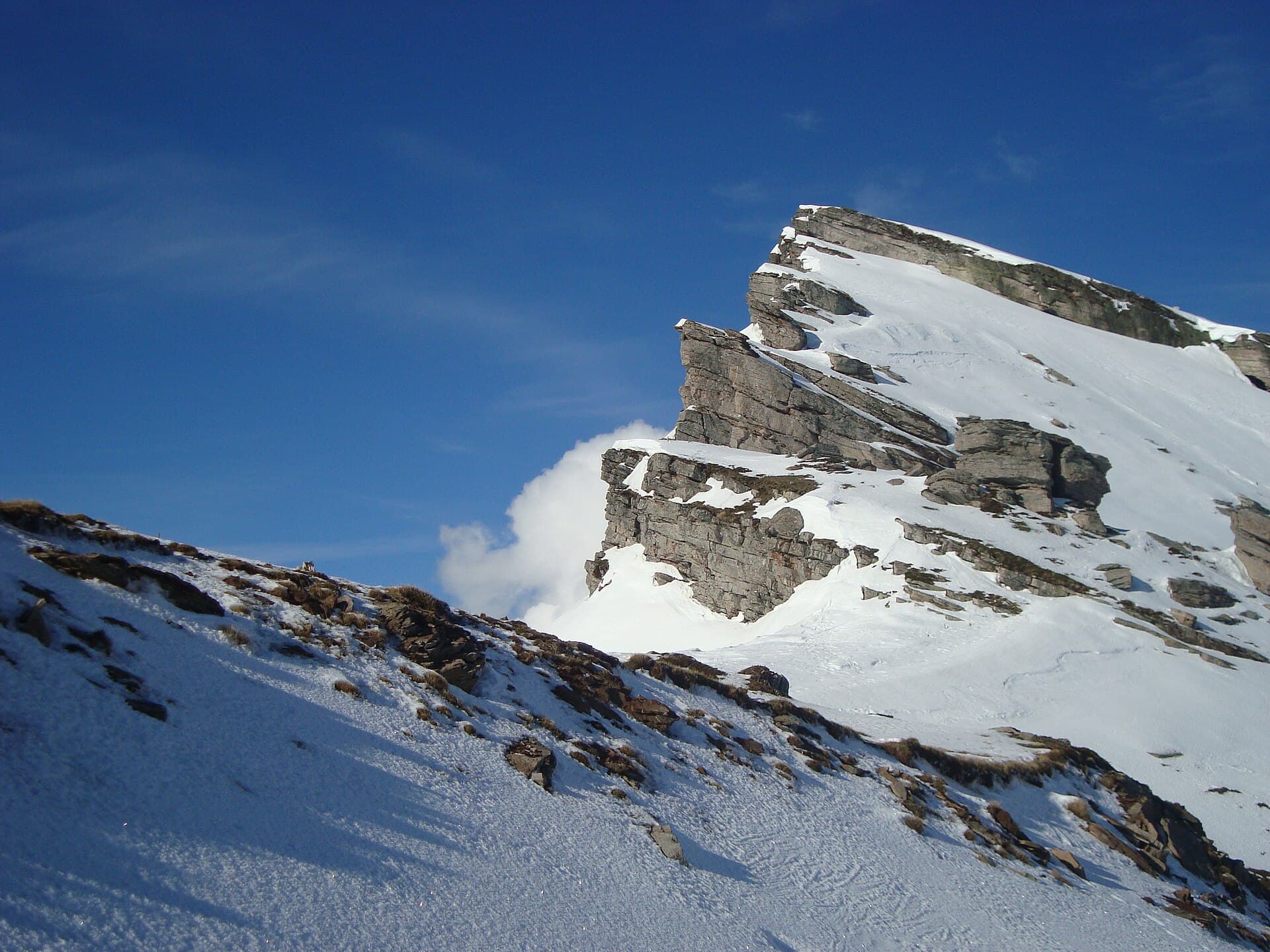
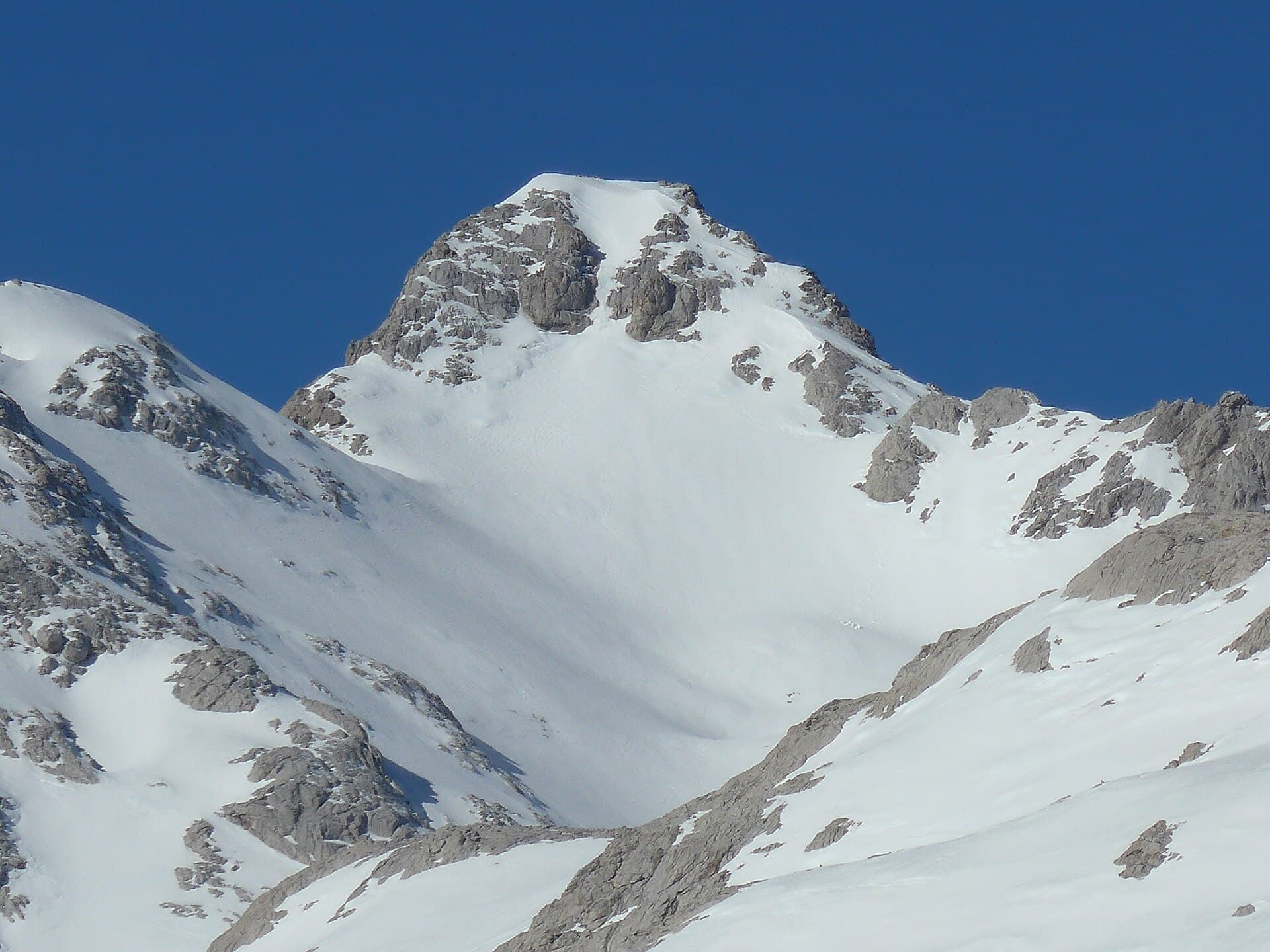
Pico Tres Mares rises in the Cantabrian Mountains near the border between Cantabria and Castilla y León. Its name comes from the three river basins that begin on its slopes: one flows north to the Cantabrian Sea, another southeast via the Ebro to the Mediterranean, and a third southwest toward the Duero and the Atlantic. This triple divide creates a rare hydrological landmark that draws hikers and geographers alike.
Getting to the Mountain
The most common approach starts from the village of Vega de Liébana. A paved road climbs to the Puerto de San Glorio pass, where a short trail leads to the summit. Drivers coming from Santander follow the N-611 to Potes, then the LE-243 toward the pass. Those without a car can take a bus to Potes and arrange a taxi for the final ascent. The trail from the pass is straightforward and suitable for most walkers with decent fitness.
Best Time to Visit
Late spring through early autumn offers the most reliable conditions. Snow lingers into May on north-facing slopes, while summer brings long daylight and wildflowers. Autumn colors appear by October, but afternoon storms can arrive quickly at any season. Winter visits require mountaineering skills and avalanche awareness.
Trails and Summit Experience
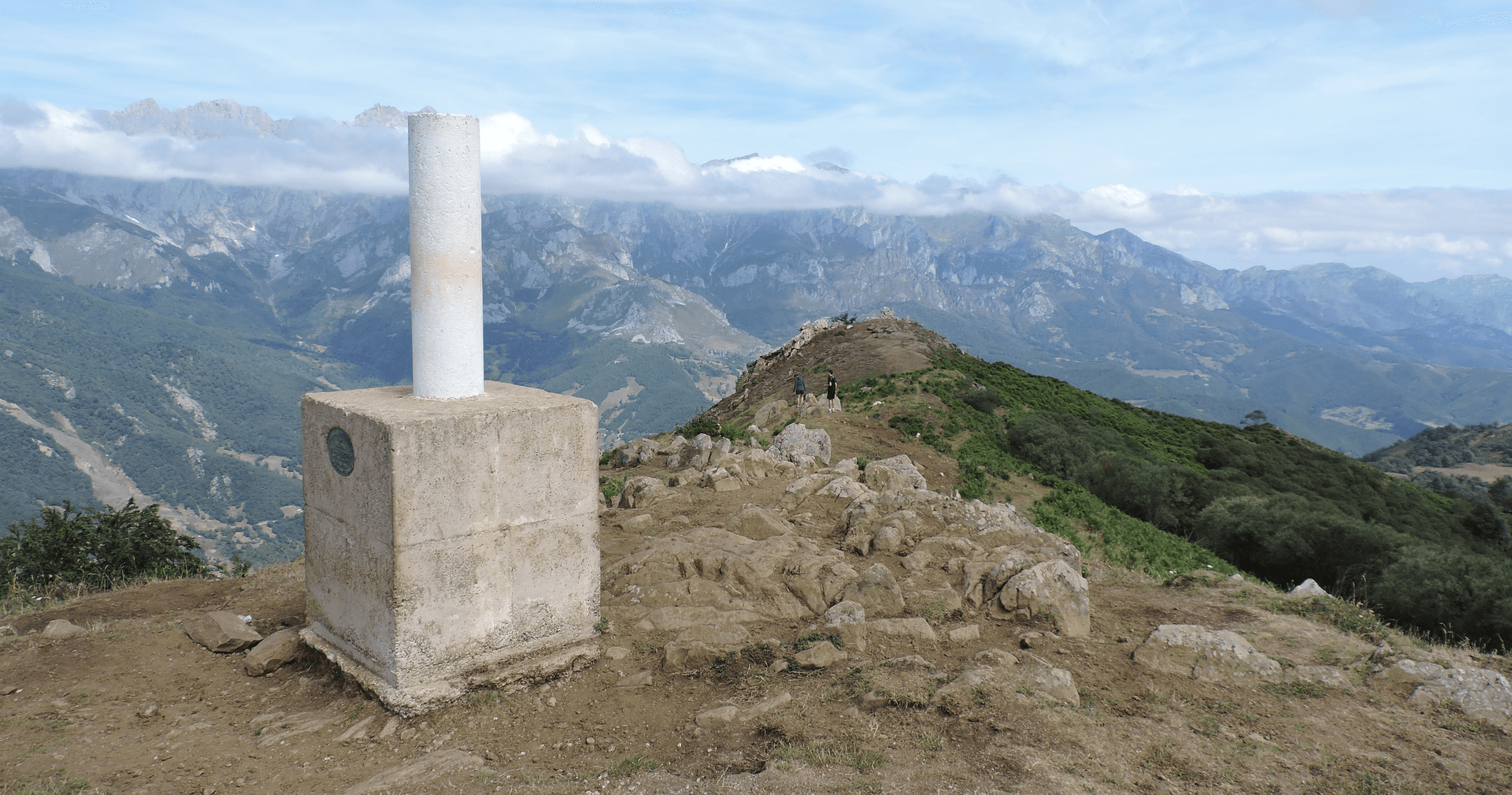
From Puerto de San Glorio a marked path crosses gentle meadows before a final rocky scramble to the 2,180-metre summit. The round trip usually takes three to four hours. On clear days the panorama includes the jagged Picos de Europa to the east and the rolling hills of Liébana to the north. Photographers favor the golden hour just after sunrise when the three drainage basins are visible in the morning light.
Nearby Places Worth Exploring
After the hike, many visitors continue to the monastery of Santo Toribio de Liébana or the charming town of Potes with its medieval bridges and cider houses. The Fuente Dé cable car, roughly 30 minutes away, provides easy access to high-alpine walks inside the Picos de Europa National Park.