Why Titkana Peak Draws Visitors
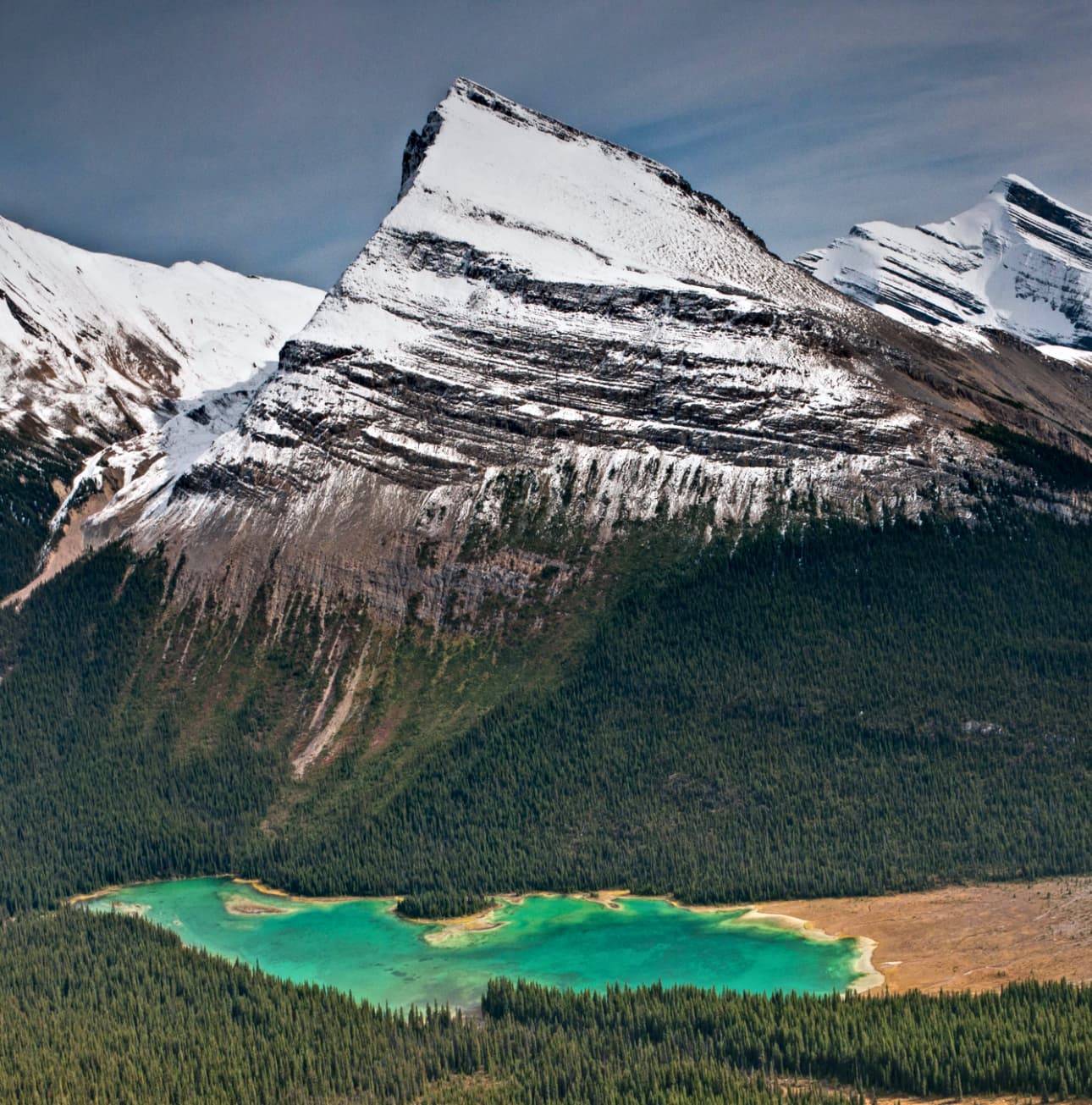
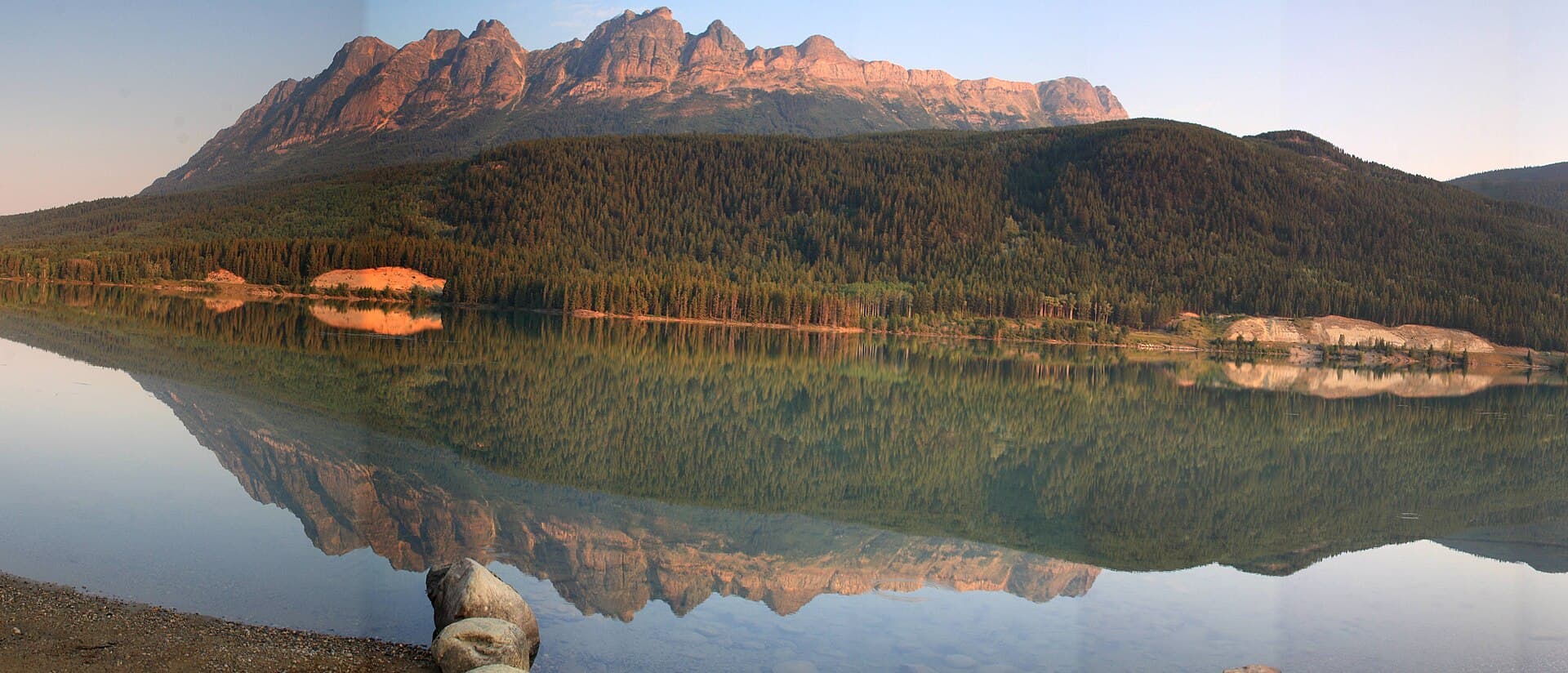
Titkana Peak rises in the Selwyn Range of the Canadian Rockies, offering hikers and climbers a quieter alternative to the crowded trails around Mount Robson. Its position delivers sweeping views across the Fraser River valley and distant icefields without the infrastructure crowds found in national parks. The mountain rewards those who seek genuine backcountry travel through subalpine meadows and rocky ridges.
Getting There
Most travelers reach the area by driving Highway 5 or 16 to Valemount or Tête Jaune Cache. From these towns, forest service roads lead to trailheads on the western slopes. Four-wheel-drive vehicles handle the rougher sections best; standard cars may stop short and require additional walking. No shuttle services operate, so plan for self-supported access and confirm road conditions with local forestry offices before departure.
Best Time to Visit
July through early September provides the most reliable snow-free hiking and climbing windows. Earlier months often leave high routes blocked by cornices, while October brings early storms. Wildflowers peak in late July, and berry season attracts both hikers and bears in August.
Trails and Activities
The primary route follows an old mining trail that climbs steadily through hemlock forest before opening into meadows. Above treeline, hikers navigate boulder fields and a short scramble to the summit ridge. Experienced climbers can attempt the east face routes that require basic glacier travel skills. Wildlife viewing includes mountain goats, hoary marmots, and occasional grizzly sightings, so carry bear spray and practice proper food storage.
Nearby Options
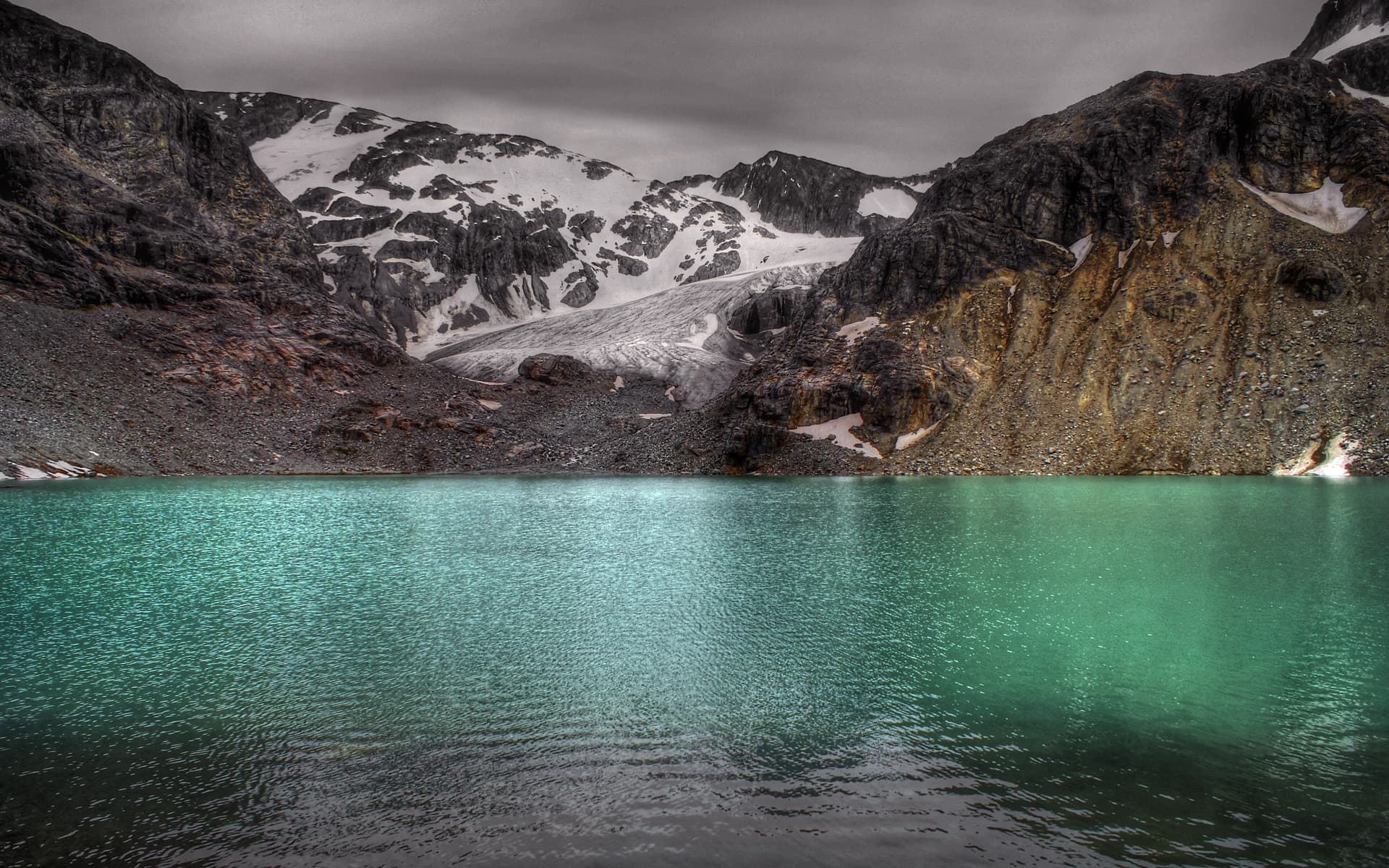
Combine a visit with day trips to nearby Mount Robson Provincial Park for the Berg Lake Trail or to the Canoe River valley for additional alpine lakes. The Yellowhead Highway corridor provides easy access to hot springs and viewpoints without requiring another long drive.
Preparation Essentials
Carry the full ten essentials, including navigation tools and layers for rapid weather changes common at elevation. Cell service is absent beyond the highway, so file a trip plan with someone reliable. Permits are not required for day hikes but are mandatory for overnight stays in certain adjacent provincial park zones.