Why The Whistlers Stands Out
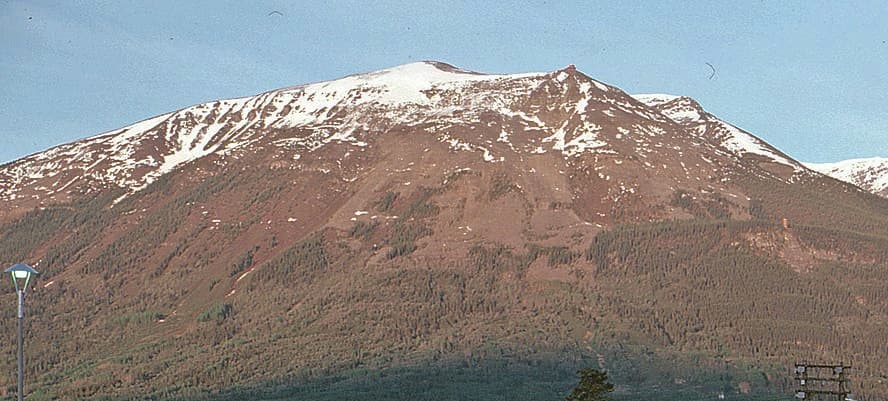
The Whistlers rises prominently above the Athabasca Valley in Jasper National Park, offering one of the most accessible high-elevation experiences in the Canadian Rockies. Its rounded summit and distinctive name, derived from the whistling calls of hoary marmots, make it a focal point for visitors seeking dramatic alpine scenery without strenuous backcountry travel.
Reaching the Summit
Access begins at the base station near Jasper townsite. A gondola-style tram ascends steadily through forested slopes and open meadows, depositing riders just below the true summit. From there, a short, well-graded trail leads to the highest point, where 360-degree views encompass the town of Jasper, the winding Athabasca River, and distant ice-capped ranges including Mount Edith Cavell and the Columbia Icefield peaks.
Activities at the Top
Once on the summit plateau, visitors can hike a network of trails ranging from easy interpretive loops to steeper routes toward secondary viewpoints. Wildlife viewing is excellent; marmots, pikas, and golden-mantled ground squirrels are commonly seen among the boulders. Photography opportunities peak during golden hour when alpenglow lights the surrounding peaks.
Best Time to Visit
Late June through early September provides the most reliable weather and longest daylight for summit exploration. Wildflowers carpet lower slopes in July, while September often brings clearer skies and fewer crowds. Shoulder seasons can still be rewarding, though snow may linger on trails into June and return by October.
Nearby Attractions
The Whistlers serves as an ideal base for broader Jasper exploration. Short drives lead to Maligne Canyon, Pyramid Lake, and the scenic Maligne Lake road. Further afield, the Icefields Parkway offers access to Athabasca Falls and Sunwapta Falls, while the townsite itself provides dining, lodging, and additional trailheads into the Tonquin Valley and Patricia Lake areas.
Practical Considerations
Pack layers, as temperatures drop quickly with elevation and wind exposure. Sturdy footwear is essential for the summit trail, and binoculars enhance wildlife observation. Park entry fees apply, and the area remains within a UNESCO World Heritage site emphasizing low-impact visitation.