The Historical Significance of the Tunnels
The Tunnels of Claudius represent one of the most ambitious civil engineering projects of the ancient world. Commissioned by Emperor Claudius in the first century AD, the system was designed to drain the Fucine Lake, once the largest inland body of water in central Italy. Workers excavated approximately 5.6 kilometers of tunnel through solid limestone beneath Mount Salviano, connecting the lake basin to the Liri River. The project required eleven years and thousands of laborers, many of them prisoners, and stands as testimony to Roman hydraulic skill.
What to See and Do at the Site
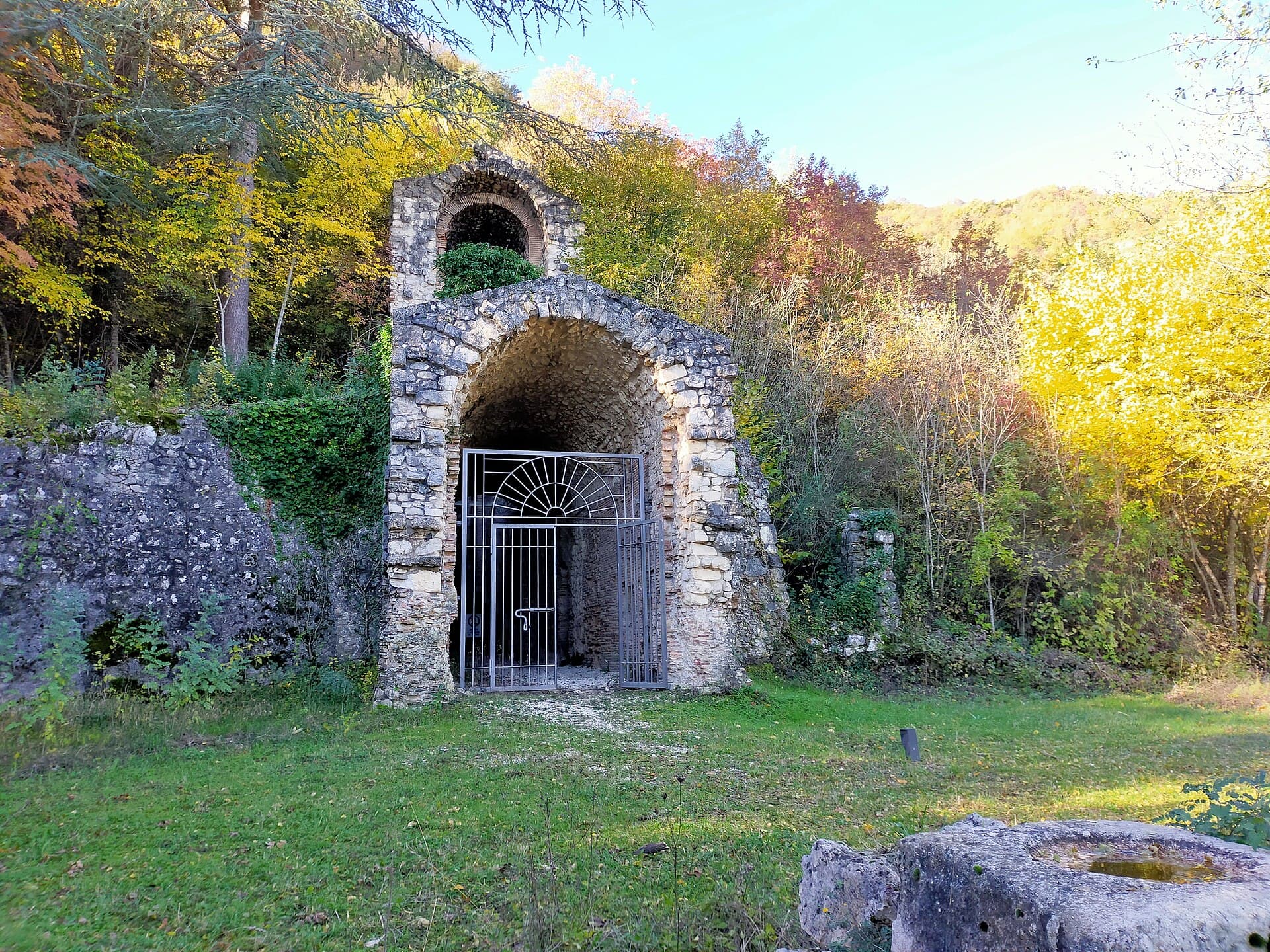
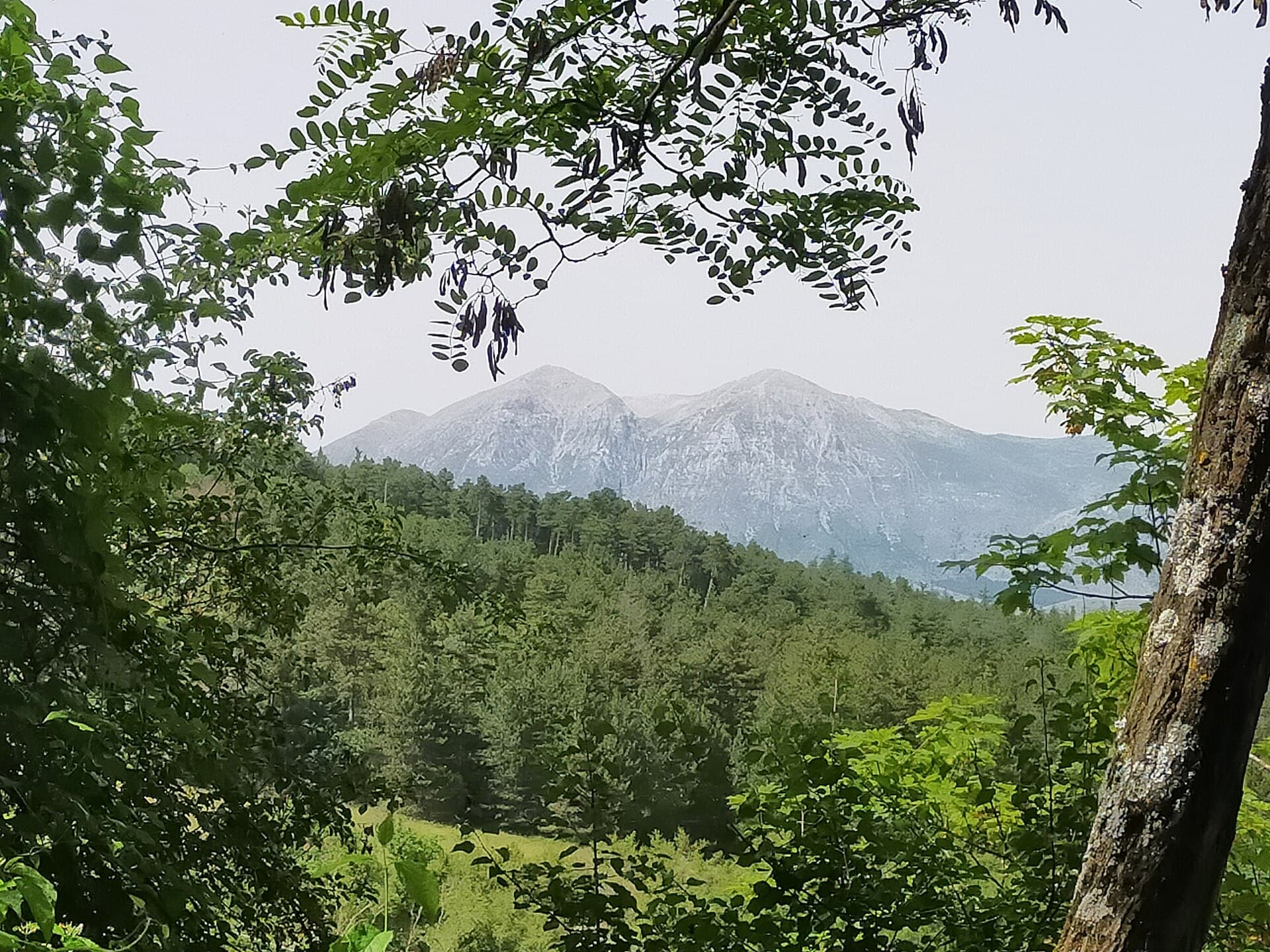
Visitors can explore preserved sections of the emissary, including the main tunnel entrance near the former lake bed and the impressive outlet structure. The sheer scale of the passages, with their regular cross-sections and occasional vertical shafts for ventilation and spoil removal, reveals the precision of Roman surveying. Interpretive panels explain the construction techniques, including the use of fire-setting to fracture rock and the challenges of maintaining consistent gradients over long distances. Nearby, the flat Fucino plain offers a striking contrast to the surrounding mountains, illustrating the transformation the tunnels achieved.
Practical Exploration Tips
- Follow marked paths to reach the main tunnel mouth and outlet; some sections remain accessible on foot with proper footwear.
- Combine a visit with the nearby Avezzano archaeological museum for artifacts recovered during 19th-century restoration work.
- Allow time to walk sections of the original Roman alignment where the landscape still shows traces of the ancient lake shore.
How to Reach the Tunnels of Claudius
The site lies just outside Avezzano in the Abruzzo region. Travelers arriving by train can disembark at Avezzano station and continue by local bus or taxi to the Fucino basin. Motorists from Rome take the A25 motorway and exit toward Avezzano, following signs for the Fucine plain. The coordinates place the primary access point on the western edge of the former lake bed, within easy reach of the town.
Best Time to Visit
Spring and autumn provide the most comfortable conditions for walking the exposed sections of the emissary. Summer heat can intensify inside the tunnels, while winter rains may make paths slippery. The mild climate of these seasons also allows visitors to combine the site with hikes in the nearby Sirente-Velino Regional Park.
Nearby Attractions Worth Combining
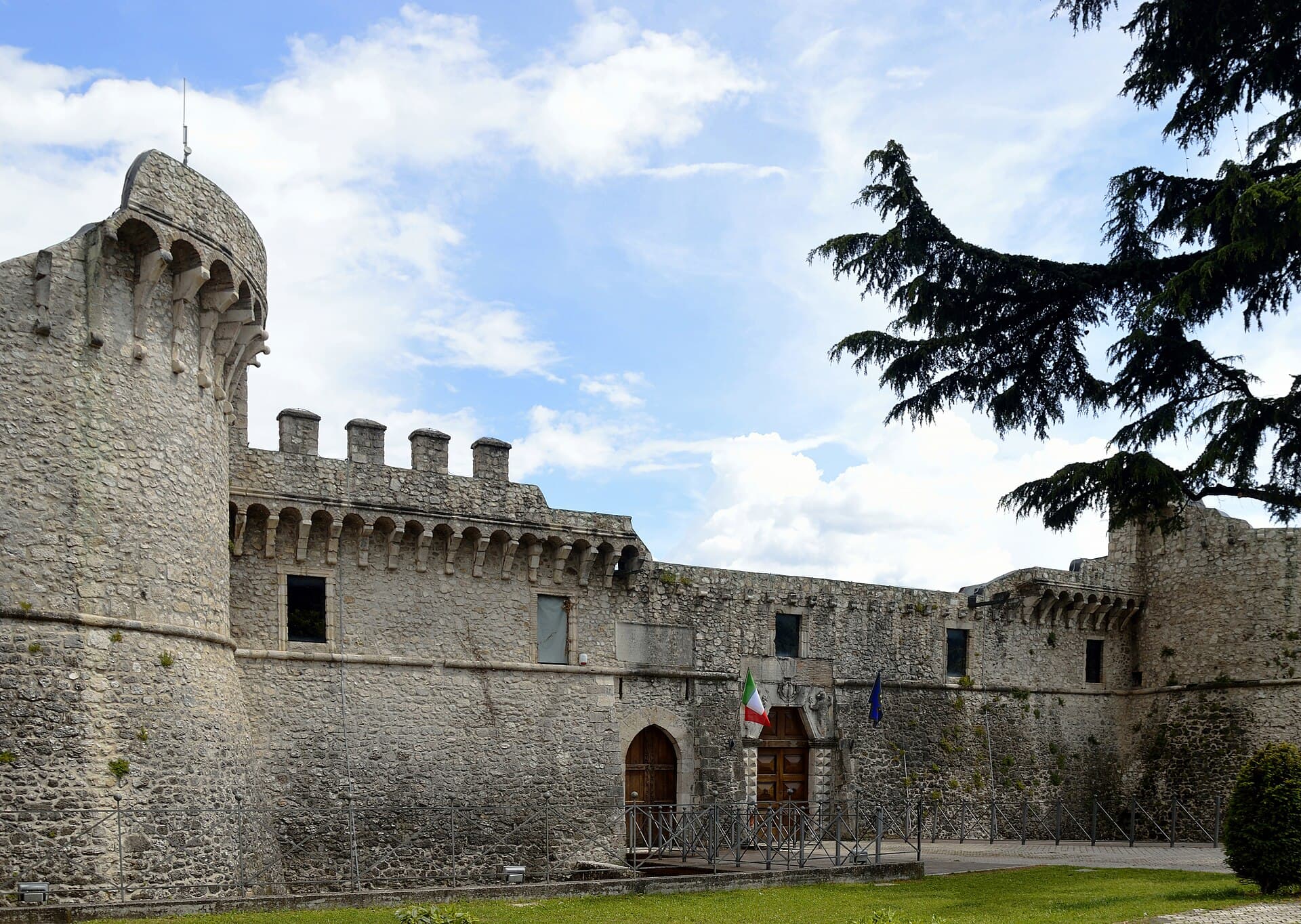
The surrounding area offers additional Roman and natural sites. The town of Avezzano features remnants of its medieval castle and a lively market. Short drives lead to the shores of the modern Fucino agricultural plain and the dramatic limestone ridges of the Apennines. Further afield, the Abruzzo National Park provides opportunities to see wildlife and mountain scenery that once framed the ancient lake.